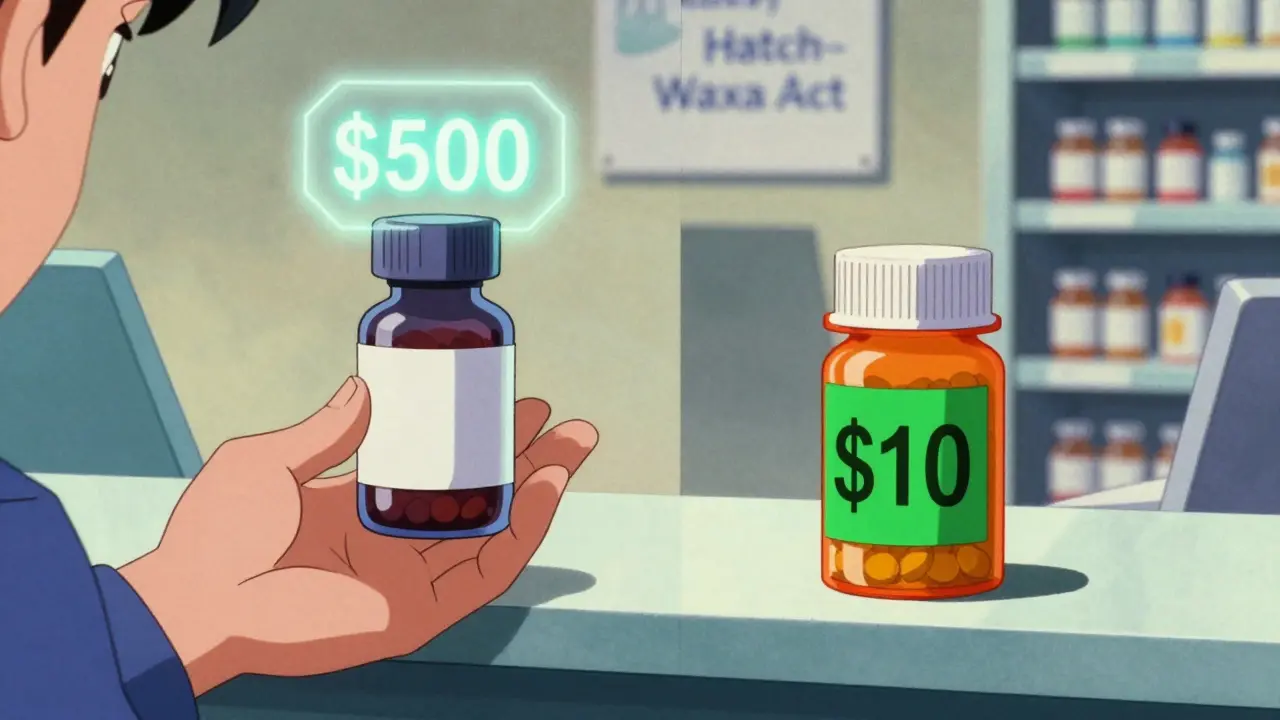
Imagine paying $500 for a medication when an identical version costs just $10. This price drop isn't magic; it’s the result of a specific federal law passed in 1984. The Hatch-Waxman Act, officially known as the Drug Price Competition and Patent Term Restoration Act, is the legal framework that governs how generic drugs enter the U.S. market. It balances two competing goals: protecting brand-name pharmaceutical companies’ investments while ensuring patients get affordable alternatives.
If you work in pharmacy, healthcare policy, or simply want to understand why your prescription prices fluctuate, understanding this act is crucial. It dictates everything from when a generic can launch to how much a drug company gets paid for being first to market. Let’s break down how this system works, who benefits, and where it falls short.
The Core Problem: Innovation vs. Access
Before 1984, the pharmaceutical landscape was stuck in a frustrating loop. Brand-name drug manufacturers spent billions developing new medicines, but once patents expired, there was no efficient way for generic competitors to enter the market. At the same time, generic manufacturers faced impossible hurdles. They had to conduct their own clinical trials to prove safety and efficacy, even though the original drug had already been proven safe by the FDA. This redundancy cost millions of dollars per drug and delayed competition for years.
The Hatch-Waxman Act solved this by creating a compromise. It allowed generic makers to rely on the brand-name manufacturer’s safety data, cutting development costs significantly. In return, it gave brand-name companies extended patent protection to compensate for the time lost during regulatory review. This balance created the modern generic drug industry, which now accounts for over 90% of prescriptions filled in the United States.
The Abbreviated New Drug Application (ANDA)
The heart of the Hatch-Waxman Act is the Abbreviated New Drug Application (ANDA). Unlike a full New Drug Application (NDA), which requires extensive clinical trials, an ANDA allows generic manufacturers to demonstrate that their product is therapeutically equivalent to the reference listed drug (RLD).
To approve an ANDA, the FDA requires proof of:
- Pharmaceutical Equivalence: The generic must have the same active ingredient, strength, dosage form, and route of administration as the brand-name drug.
- Bioequivalence: The generic must deliver the same amount of active ingredient into the bloodstream at the same rate as the brand-name drug. This is typically measured using pharmacokinetic studies where the 90% confidence interval for Cmax and AUC falls within 80-125% of the reference product.
This streamlined process reduces the cost of bringing a generic drug to market from approximately $2.6 million in 1984 dollars to about $1-2 million today. However, it doesn’t eliminate risk. Manufacturers still face complex patent challenges that can delay approval for years.
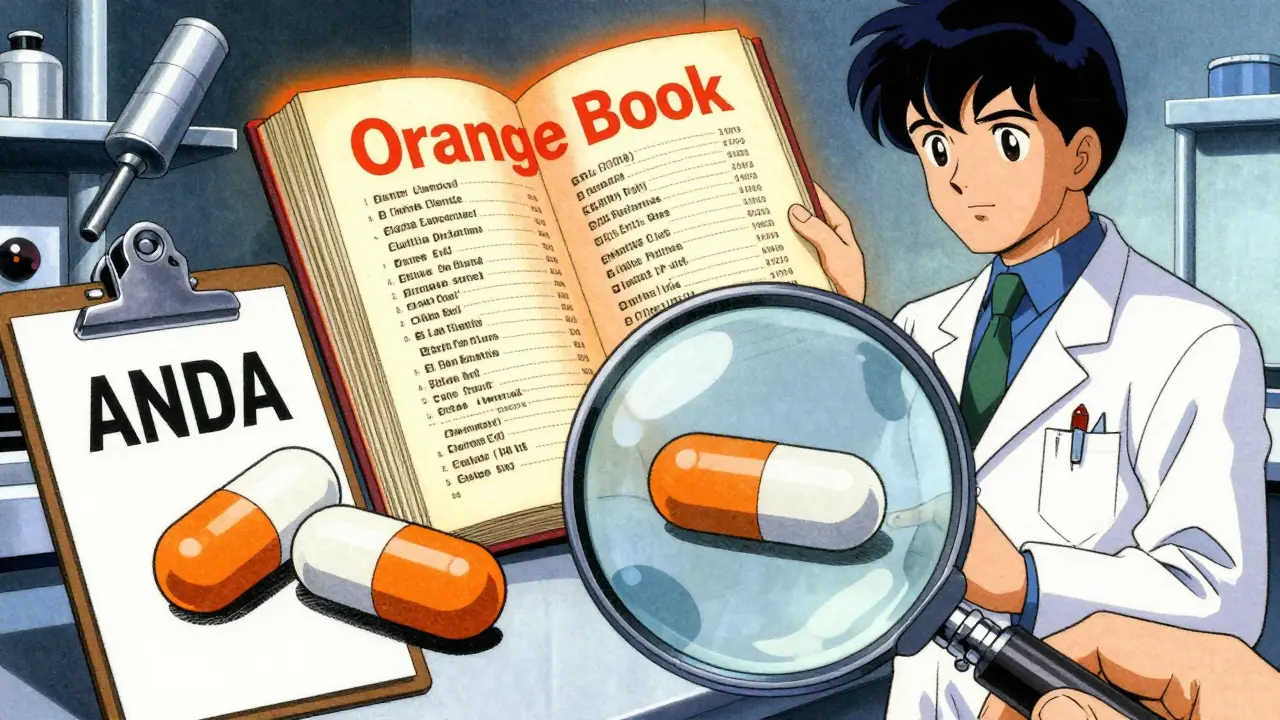
The Orange Book and Paragraph Certifications
A critical tool introduced by the Hatch-Waxman Act is the Feature Description Purpose List all approved drug products and their therapeutic equivalence ratings. Content Includes patent information and exclusivity data for each drug. Impact Determines when generics can be approved and marketed.
There are four types of certifications:
- Paragraph I: No patent information is listed for the drug.
- Paragraph II: All patents listed have expired.
- Paragraph III: Patents are valid, and the generic will not market until they expire.
- Paragraph IV: The patents are invalid or will not be infringed by the generic product.
Paragraph IV certifications are the most contentious. They allow a generic manufacturer to challenge the brand-name holder’s patents directly. If successful, the challenger gains significant rewards, including market exclusivity.
The 180-Day Exclusivity Reward
One of the most powerful incentives in the Hatch-Waxman framework is the 180-day market exclusivity period. The first generic applicant to file a substantially complete ANDA with a Paragraph IV certification receives 180 days of exclusive marketing rights. During this window, the FDA cannot approve any other generic versions of the same drug.
This provision encourages aggressive patent litigation. Generic companies race to be the first to challenge weak patents, knowing that winning grants them a temporary monopoly. While this accelerates patient access to cheaper medications, it also leads to intense competition among generic firms. Historically, companies would camp outside FDA offices to submit applications simultaneously. Today, rules state that simultaneous filings share the exclusivity period.
The Patent Dance and Litigation Delays
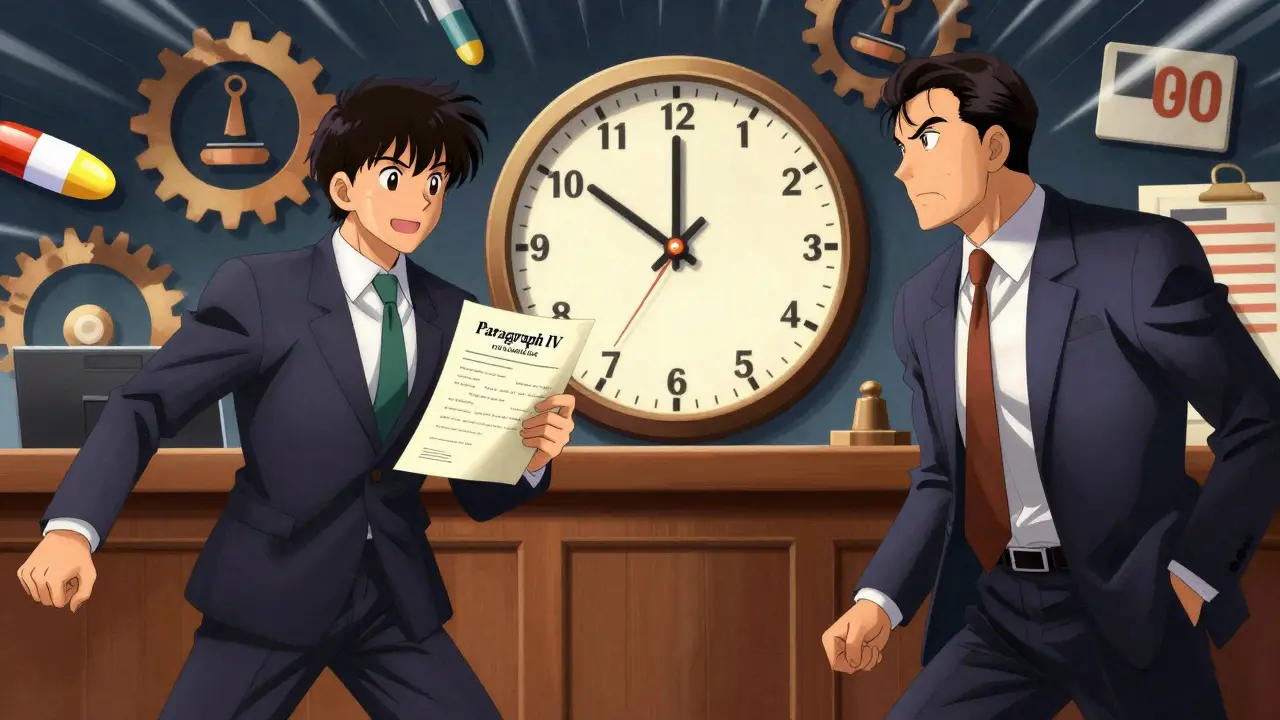
When a generic company files a Paragraph IV certification, it triggers a legal process often called the “patent dance.” Here’s how it unfolds:
- Notification: The generic applicant notifies the brand-name holder of the patent challenge within 20 days of filing the ANDA.
- Litigation Window: The brand-name holder has 45 days to file an infringement lawsuit.
- Automatic Stay: If litigation begins, the FDA imposes an automatic 30-month stay on approving the ANDA. This gives courts time to resolve the dispute without forcing the FDA to make premature decisions.
This mechanism protects brand-name companies from immediate competition but can significantly delay generic entry. On average, patent litigation takes 31 months to resolve, effectively extending market exclusivity beyond the original patent term. Critics argue this creates bottlenecks that keep drug prices high longer than necessary.
Patent Term Restoration
To compensate for the time lost during regulatory review, the Hatch-Waxman Act provides patent term restoration. Brand-name manufacturers can extend their patent life by up to five years, provided the total market exclusivity does not exceed 14 years from the date of FDA approval.
This provision ensures that innovators retain some profit potential after accounting for the lengthy FDA review process. Without it, many drugs might lose patent protection before they ever reach the market, disincentivizing research and development. However, critics note that this extension can prolong monopolies, especially for drugs with late-stage development delays.
Challenges and Criticisms
While the Hatch-Waxman Act has undeniably increased access to affordable medications, it faces several criticisms:
- Pay-for-Delay Settlements: Brand-name companies sometimes pay generic challengers to delay market entry, undermining competition. These settlements have drawn scrutiny from antitrust regulators.
- Patent Thickets: Manufacturers may file multiple secondary patents around a core drug, creating layers of protection that are difficult for generics to navigate.
- Complex Biologics: The Hatch-Waxman framework was designed for small-molecule drugs. Complex biologics require a different pathway, leading to the creation of the Biologics Price Competition and Innovation Act (BPCIA) in 2010.
Additionally, drug shortages remain a concern. In 2023, 283 generic drugs experienced shortages, partly due to thin profit margins and manufacturing issues. The FDA continues to refine regulations to address these gaps, including implementing the Creating and Restoring Equal Access To Equivalent Samples (CREATES) Act of 2019, which mandates brand-name companies provide samples for bioequivalence testing.
Impact on Healthcare Savings
The economic impact of the Hatch-Waxman Act is substantial. According to the Congressional Budget Office, generic competition generated approximately $1.7 trillion in healthcare savings over a single decade. Annual savings now exceed $158 billion, benefiting consumers, insurers, and government programs like Medicare.
In 2023, 78% of Medicare Part D prescriptions were filled with generics, saving beneficiaries an average of $3,200 annually. The generic pharmaceutical industry has grown into a $70 billion market, with over 11,000 approved products. Despite these successes, challenges persist, particularly as more complex drugs come off patent and require adaptations to the existing framework.
What is the main purpose of the Hatch-Waxman Act?
The Hatch-Waxman Act aims to balance pharmaceutical innovation with generic competition. It streamlines the approval process for generic drugs while providing patent protections for brand-name manufacturers.
How does the ANDA process differ from a full NDA?
An ANDA requires only proof of bioequivalence and pharmaceutical equivalence, relying on the brand-name drug’s safety data. A full NDA requires extensive clinical trials to establish safety and efficacy from scratch.
What happens during the 30-month stay?
If a brand-name company sues a generic applicant for patent infringement, the FDA pauses approval for 30 months to allow courts to resolve the dispute. This prevents premature market entry during litigation.
Why is the Orange Book important?
The Orange Book lists all approved drugs and their associated patents. It helps generic manufacturers determine when they can legally market a generic version and guides the FDA in making approval decisions.
Can a generic company challenge multiple patents?
Yes, through Paragraph IV certifications, generic companies can challenge one or more patents listed in the Orange Book. Successful challenges grant 180 days of market exclusivity to the first filer.
How much do generic drugs save the healthcare system?
Generic drugs save the U.S. healthcare system approximately $1.7 trillion over a decade, with annual savings exceeding $158 billion. This reduces costs for patients, insurers, and government programs.
What is patent term restoration?
Patent term restoration allows brand-name manufacturers to extend their patent life by up to five years to compensate for time spent in FDA regulatory review, with a maximum total exclusivity of 14 years.
Are there alternatives to the Hatch-Waxman Act for biologics?
Yes, the Biologics Price Competition and Innovation Act (BPCIA) of 2010 created a separate pathway for biosimilar approvals, addressing the unique complexities of biologic drugs that differ from small molecules.

Write a comment