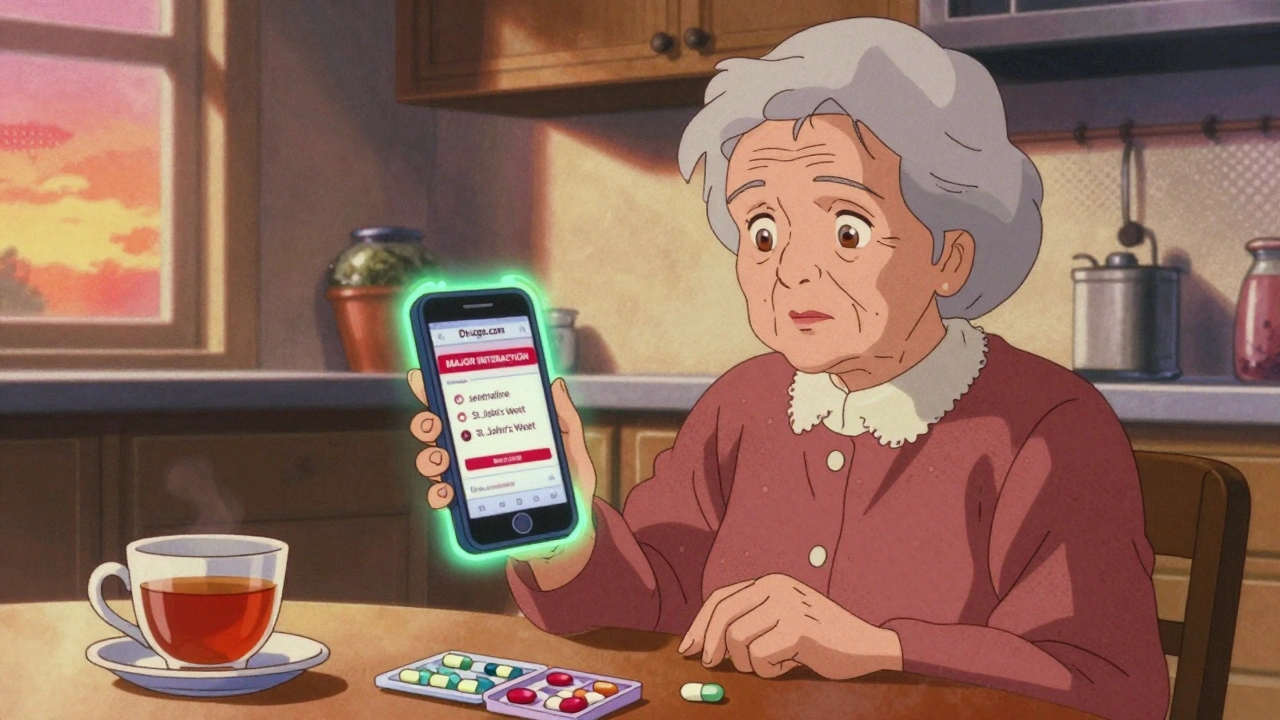
Every year, over a million people in the U.S. end up in the emergency room because of unexpected reactions between their medications. Many of these cases could have been avoided with a simple check at home-before the problem even starts. If you or someone you care for takes more than one medication, including prescription drugs, over-the-counter pills, vitamins, or herbal supplements, you’re at risk. The good news? You don’t need to wait for a doctor’s appointment to spot potential dangers. With the right tools and a few clear steps, you can check for drug interactions safely and confidently from your phone or computer.
What Exactly Is a Drug Interaction?
A drug interaction happens when two or more substances affect each other in your body, changing how they work. This isn’t just about pills clashing. It can also happen when a medication reacts with food, alcohol, herbal supplements, or even a medical condition you have. For example, taking ibuprofen with warfarin can increase your risk of bleeding. Eating grapefruit with certain cholesterol meds can make them too strong, causing muscle damage. St. John’s Wort can reduce the effectiveness of antidepressants like sertraline, leading to a relapse. There are three main types of interactions:- Drug-drug: The most common, making up about 61% of all interactions. This includes mixing prescription meds with OTC painkillers or supplements.
- Drug-food/drink: About 27% of cases. Grapefruit, alcohol, and even high-sodium foods can interfere with how your body processes medicine.
- Drug-condition: Around 12%. For example, decongestants can raise blood pressure in people with hypertension.
Severity matters too. Tools like WebMD and Drugs.com classify interactions as:
- Major (15% of flagged cases): Could be life-threatening. Requires immediate action.
- Moderate (60%): May need a dose change or extra monitoring.
- Minor (25%): Usually harmless, but might cause mild side effects like drowsiness or upset stomach.
Which Tools Can You Trust?
Not all drug interaction checkers are created equal. You want one that’s accurate, up-to-date, and easy to use. Here are the top three trusted options:| Tool | Database Size | Key Strength | Best For | Limitation |
|---|---|---|---|---|
| Drugs.com | 80,000+ interactions | Most comprehensive database | People on multiple meds | Technical language can confuse seniors |
| WebMD | 18,000+ prescription drugs | User-friendly explanations, color-coded severity | Beginners, visual learners | Higher rate of false positives (23%) |
| GoodRx | Same as WebMD | Shows cheaper, safer alternatives when interactions are found | Cost-conscious users | No pharmacist consultation feature |
Drugs.com detects 12% more moderate interactions than its competitors, according to independent testing. WebMD is easier to read but misses some less common combos. GoodRx stands out because it doesn’t just warn you-it helps you find a safer, cheaper option. All three are free and work on any smartphone or browser. Avoid random apps you find in app stores. The FDA warned about 17 fraudulent interaction checkers in 2022 that gave false or dangerous advice.
How to Check for Drug Interactions Step by Step
Doing this right takes more than just typing in a few names. Here’s how to do it properly:- Make a complete list of everything you take. Don’t skip vitamins, herbal teas, or occasional painkillers. Include the dose and how often you take it. For example: “Ibuprofen 200mg, 2 pills every 6 hours as needed for back pain.”
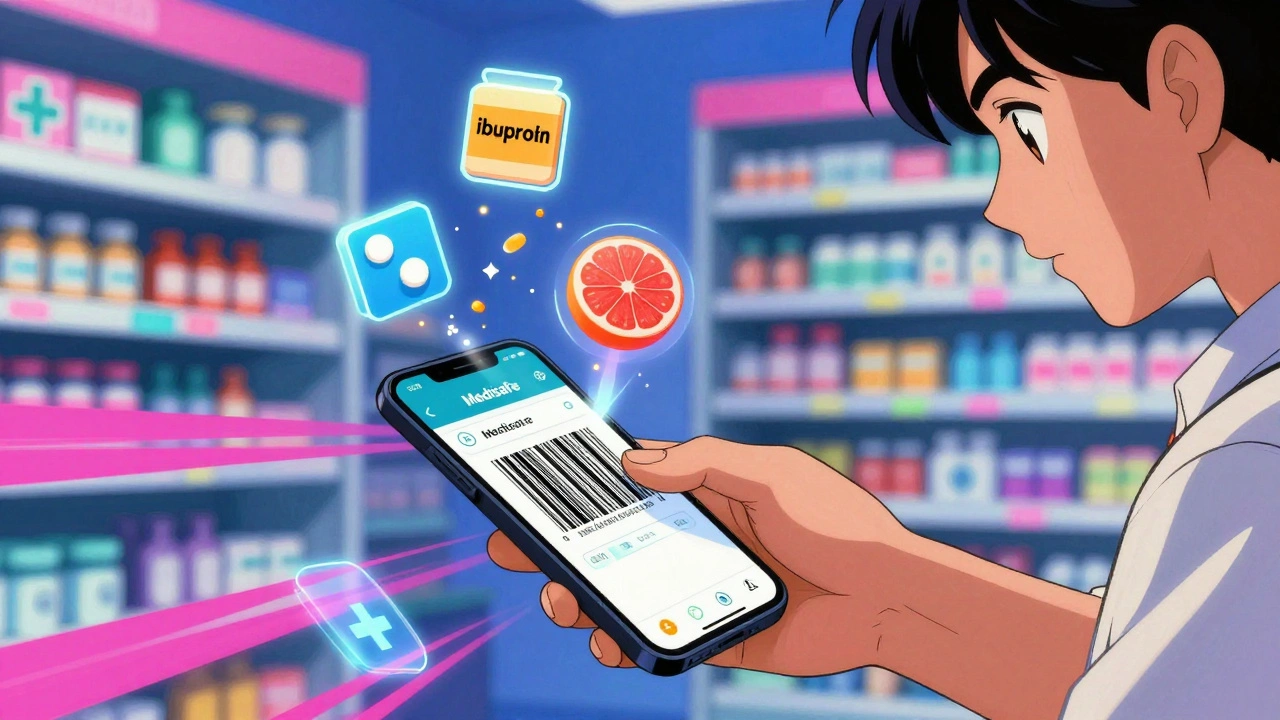
- Use a barcode scanner if you can. Apps like Medisafe let you scan the barcode on your pill bottle. This pulls in the exact generic name and dose, cutting out mistakes from misremembering brand names.
- Go to one trusted checker. Drugs.com or WebMD are your best bets. Enter every item from your list, one by one. Don’t rush. Missing one supplement could mean missing a major risk.
- Read the results carefully. Don’t just look for red flags. Spend at least two minutes on each flagged interaction. Understand what it means. Is it major? Moderate? Does it say “avoid alcohol” or “may increase drowsiness”?
- Write down your questions. If the tool says “consult your doctor,” don’t ignore it. Write down exactly what it said and why it matters.
It takes 3 to 5 minutes for 5 to 7 medications. If you’re on 10 or more, break it into two sessions. Update your list every 30 days-or anytime you start, stop, or change a medication.
What to Do When You Find a Problem
Finding an interaction doesn’t mean you should stop your medicine. That’s a dangerous mistake. About 15% of patients stop taking essential drugs after seeing a non-critical alert, according to the FDA. Instead:- For minor interactions: You might just need to space out doses or avoid grapefruit. Keep taking your meds and note the advice.
- For moderate interactions: Call your pharmacist. They can tell you if it’s safe to continue, or if you need a different brand or dosage. Pharmacists are medication experts-and they’re often easier to reach than your doctor.
- For major interactions: Don’t wait. Call your doctor or go to urgent care. If you feel dizzy, confused, have chest pain, or unusual bleeding, seek help right away.
One real case from Farmington Drugs in 2022 shows why this matters: A 68-year-old woman was taking sertraline for depression and St. John’s Wort for “natural mood support.” The interaction could have triggered serotonin syndrome-a rare but deadly condition. Her pharmacist caught it during a routine check after she used Drugs.com. She switched to a safer supplement and avoided hospitalization.
Common Mistakes and How to Avoid Them
Even with the best tools, people mess up. Here are the top errors-and how to dodge them:- Not listing OTC meds: 28% of users forget to include pain relievers, antacids, or allergy pills. These are the most common culprits in interactions.
- Confusing brand and generic names: “Lipitor” and “atorvastatin” are the same drug. If you only enter one, the checker might miss the interaction.
- Assuming “natural” means safe: Herbal supplements like ginkgo, garlic, and echinacea can thin your blood or interfere with heart meds. They’re not regulated like prescription drugs.
- Ignoring food interactions: Grapefruit, alcohol, and even dairy can change how your body absorbs medicine. Check the label or ask the checker if food matters.
- Using outdated tools: If a tool hasn’t been updated since 2020, it’s missing new data. Drugs.com updates daily. WebMD’s last update was July 2023.
One simple trick: Keep all your prescriptions filled at the same pharmacy. Pharmacies use internal systems that flag interactions before you even leave the counter. Studies show this reduces risks by 31%.
When to Skip the App and Call a Pro
Digital tools are great-but they’re not perfect. They miss about 20-30% of dangerous interactions, especially rare ones or those involving new drugs. They also can’t adjust for your age, kidney function, or liver health.Always talk to a pharmacist if you:
- Take five or more medications
- Have kidney or liver disease
- Are over 65
- Just started a new cancer, heart, or psychiatric drug
- Got a “major” alert and aren’t sure what to do
Dr. Michael Cohen from the Institute for Safe Medication Practices says: “Digital checkers catch 70-80% of risks. But without a pharmacist interpreting them, you’re still guessing.” A 2023 study found that combining digital tools with pharmacist advice cut hospitalizations from drug interactions by 42% in older adults.
Thanks to the CARES Act, you can now talk to a pharmacist over video or phone through telehealth-no appointment needed. Many pharmacies offer free consultations. Use your checker results as a conversation starter, not a final answer.
What’s Coming Next?
The future of drug safety is getting smarter. By mid-2024, the CDC plans to link interaction checkers directly to MyMedicare accounts, so seniors get automatic alerts when new meds are added. In late 2024, GoodRx and 23andMe will start offering genetic-based interaction checks-knowing your DNA can predict how you’ll react to certain drugs.But for now, the best defense is simple: Know what you’re taking. Use a trusted tool. Talk to your pharmacist. Don’t rely on guesswork. Medication safety isn’t about being perfect-it’s about being smart, consistent, and never afraid to ask for help.
Can I use a drug interaction checker if I’m on blood thinners?
Yes, but be extra careful. Blood thinners like warfarin, apixaban, or rivaroxaban have many dangerous interactions. Common OTC painkillers like ibuprofen and naproxen can increase bleeding risk. Even some herbal supplements like ginkgo, garlic, and ginger can interfere. Always use a trusted checker like Drugs.com and confirm results with your pharmacist before making any changes.
Are free drug interaction checkers reliable?
The top free tools-Drugs.com, WebMD, and GoodRx-are backed by medical databases used by hospitals and pharmacies. They’re reliable for screening. But avoid random apps with no clear publisher or updates. The FDA has flagged 17 fraudulent apps since 2022. Stick to well-known health sites.
What if the checker says there’s no interaction, but I feel weird?
Trust your body. No tool catches every interaction, especially rare or new ones. If you feel dizzy, nauseous, confused, or have an unusual reaction, contact your doctor or pharmacist-even if the checker says everything’s fine. Symptoms matter more than a digital result.
Can I check interactions for my elderly parent remotely?
Absolutely. Many families use these tools to help aging parents. Get their full medication list (ask their pharmacist if needed), then use a checker on your phone. Share the results with them and suggest they talk to their pharmacist. Apps like Medisafe let you set up shared profiles, so you can track changes together.
Do I need to check interactions every time I get a new prescription?
Yes. Each new medication changes your overall risk. Even if you’ve checked before, add the new drug to your list and run the checker again. It takes less than five minutes. Many people forget to update after a hospital stay or specialist visit. Make it part of your monthly routine.
If you take multiple medications, checking for interactions isn’t optional-it’s essential. You don’t need to be a doctor to protect yourself. With a few minutes each month and the right tools, you can avoid a hospital visit that could have been prevented.

10 Comments
Been using Drugs.com for my dad’s 12-med cocktail and it’s saved us twice. Found a nasty warfarin + ginkgo combo he didn’t even know was a thing. He thought ‘natural’ meant ‘safe as milk.’ Spoiler: it’s not.
Also, scanning barcodes with Medisafe? Game changer. No more guessing if it’s ‘Lipitor’ or ‘atorvastatin.’
LMAO you people treat these apps like holy scripture. I ran my meds through Drugs.com and it flagged my coffee. COFFEE. Next they’ll say oxygen interacts with ibuprofen. I’ve been taking sertraline with grapefruit juice for 8 years and I’m still standing. Maybe the algorithm needs a nap.
Thank you for this comprehensive guide. As a healthcare professional, I appreciate the emphasis on pharmacist consultation and the distinction between major, moderate, and minor interactions.
For those new to medication management, I strongly recommend printing out your list and bringing it to every appointment. Physical copies reduce miscommunication.
Also, never underestimate the value of a pharmacy’s medication therapy management (MTM) program-it’s often free and can prevent hospitalizations.
My grandma started using this after I showed her how to scan pills with GoodRx. She used to just take whatever the doctor handed her without asking.
Now she texts me every time she gets a new script. We check together on her tablet while she sips her tea. It’s become this little ritual.
She even started asking her pharmacist, ‘What’s the deal with this one?’ And the pharmacist was so happy-he said she’s the first patient in months who actually reads the warnings.
It’s not about being perfect. It’s about being present. And yeah, I cried when she told me she felt ‘in charge’ again for the first time in years.
Small steps, y’all. Small steps.
Okay so I’ve been on 14 different meds since my triple bypass and I use 3 different apps and cross-reference everything and I still got hospitalized last year because one of them missed that my anticoagulant was interacting with the turmeric supplement I was taking because I thought ‘anti-inflammatory’ meant ‘good for heart’ and I didn’t even realize it was a supplement until I Googled the bottle label and it said ‘Curcumin 500mg’ and I thought it was just a fancy name for turmeric and then I realized I’d been taking it daily for 8 months and the ER doc said I was lucky I didn’t bleed out in my sleep and now I’m on a new regimen and I still have nightmares about grapefruit juice and I swear to god if I see one more ‘natural remedy’ ad I’m going to scream into a pillow and I don’t even like turmeric I just thought it was trendy and now I’m terrified of everything I put in my mouth and I’m 42 and I’ve never felt so out of control and why does no one talk about how scary this is?
Y’all need to stop waiting for emergencies. Do this once a month. Set a reminder. 5 minutes. That’s all it takes.
You’re not being paranoid-you’re being powerful. Your body is a complex system, not a DIY experiment.
Go check your list right now. I’ll wait. 💪
Just checked my meds. Found a moderate interaction between my blood pressure med and my melatonin. Didn’t know that one was a thing.
Called my pharmacist. She said ‘cool, just take the melatonin 2 hours after your BP pill.’ Done. No drama.
Why do people make this so hard? It’s just info. Use it.
As a pharmacist in Ontario, I see this every day. Patients come in with 10+ meds, no list, and say ‘I think it’s okay?’
One guy took omeprazole with clopidogrel for 6 months because he didn’t realize the interaction reduced its antiplatelet effect-he nearly had a second heart attack.
Another woman was taking St. John’s Wort with her SSRI because her ‘yoga instructor’ said it ‘boosted serotonin naturally.’
These aren’t edge cases. They’re weekly.
Don’t trust ‘natural’ or ‘common sense.’ Trust databases updated daily and a real human who’s seen 10,000 pill bottles.
Also, pharmacies in Canada now offer free med reviews. Just walk in. No appointment. Ask for it.
You’re not bothering anyone. You’re saving your life.
Just wanted to say thanks for the reminder about the same pharmacy thing. My mom switched from CVS to Walgreens last year and suddenly she started getting flagged for interactions she’d never seen before. Turns out CVS had been quietly tracking everything and Walgreens didn’t have her history.
Now we keep everything at one place. Best 5 minutes of the month.
Also, I use the barcode scanner now. My 79-year-old dad thinks it’s magic. 😄
Let’s be real-these apps are just corporate tools to get you to buy more drugs. WebMD’s false positives are a feature, not a bug. They want you scared enough to go back to your doctor and get a new prescription. And GoodRx? They’re not helping you-they’re selling you cheaper versions of the same drugs so they get kickbacks from pharma. You think they care about your safety? They care about your click.