10 Mar
When you fill a prescription for a generic drug, you’re not just saving money-you’re helping the whole system work better. But how do we know which generics actually offer the best value? That’s where cost-effectiveness analysis comes in. It’s not about which drug is cheapest on the shelf. It’s about which one delivers the most health for every dollar spent.
Why Generic Drugs Aren’t All the Same
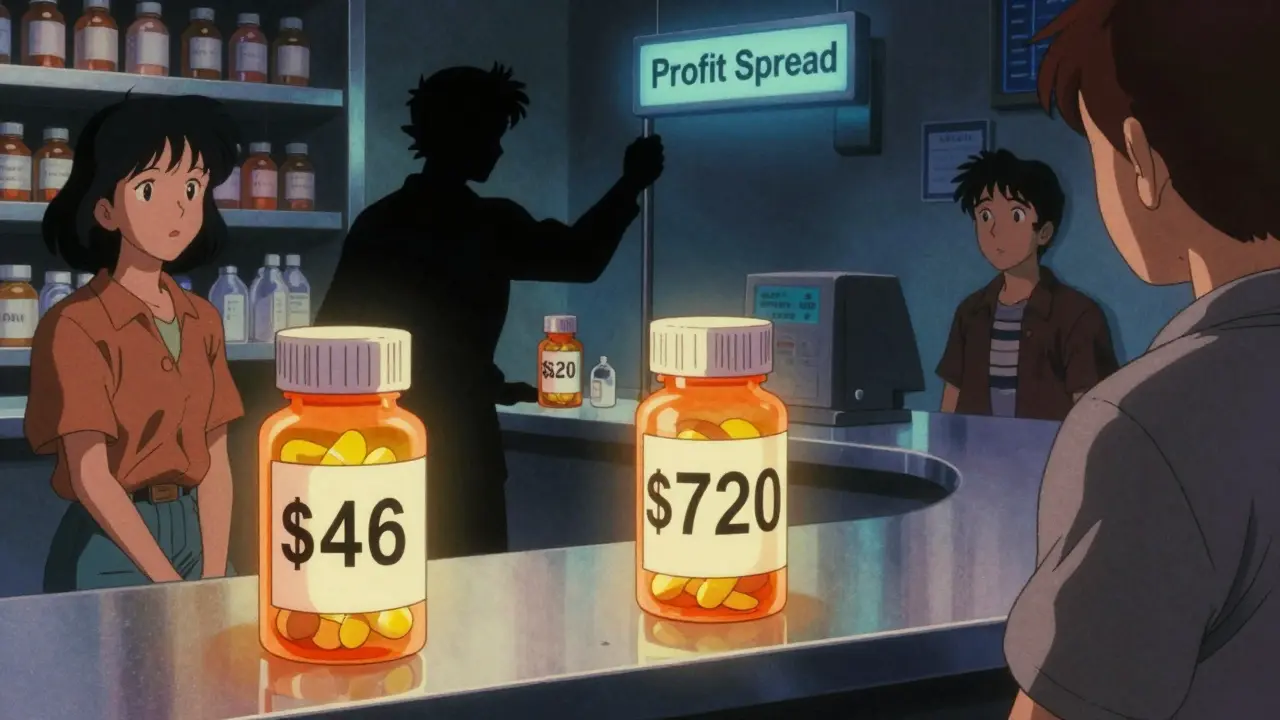
Many people assume all generics are identical to their brand-name versions. That’s mostly true for active ingredients. But when it comes to price? Not even close. Two pills with the same chemical makeup can cost wildly different amounts just because they’re made by different companies or sold in different forms. A 2022 study in JAMA Network Open looked at the top 1,000 generic drugs used in the U.S. and found something shocking: 45 of them were being sold at prices more than 15 times higher than other generics in the same therapeutic class. One drug, for example, cost $720 per month-while a therapeutically equivalent alternative cost just $46. That’s not a mistake. It’s a market failure. The reason? It’s not about quality. It’s about supply, demand, and how pharmacy benefit managers (PBMs) structure contracts. PBMs often profit from the gap between what they charge insurers and what they pay pharmacies. If a higher-priced generic gives them a bigger spread, they’ll keep it on the formulary-even if a cheaper, equally effective option exists.How Cost-Effectiveness Analysis Works
Cost-effectiveness analysis (CEA) measures how much health you get for your money. The most common metric is the incremental cost-effectiveness ratio, or ICER. It’s calculated by dividing the extra cost of one treatment by the extra health benefit it provides-usually measured in quality-adjusted life years (QALYs). For generics, this gets tricky. A CEA comparing a brand-name drug to its generic version is straightforward: the generic costs less, and the health outcome is the same. So the ICER is zero. But what if you’re comparing two generics? Or a generic to a different drug in the same class? Take blood pressure meds. Two generics might both lower systolic pressure by 10 mmHg. But one costs $12 a month. The other costs $180. The cheaper one isn’t just cheaper-it’s more cost-effective. And yet, many formularies still list the expensive one. The FDA says when the first generic enters the market, prices drop an average of 39%. With six or more competitors, prices fall over 95% below the brand-name price. So timing matters. If your CEA uses last year’s prices, you’re already out of date.The Hidden Problem: Ignoring the Future
Here’s the biggest flaw in most cost-effectiveness studies: they treat drug prices like they’re frozen in time. A 2021 ISPOR conference review found that 94% of published CEAs didn’t account for future generic entry. That means analysts were comparing a brand-name drug to a generic… but ignoring the fact that five more generics would hit the market in 18 months. That’s like judging a car’s fuel efficiency based on 2010 gas prices and not realizing electric vehicles are now 70% cheaper to run. Dr. John Garrison put it bluntly: “Failing to model patent expiration creates pricing anomalies that distort incentives for innovation.” If a company knows their CEA won’t consider future competition, they’ll price their drug high, assuming the analysis will lock in their premium. The NIH now recommends that any CEA for a drug nearing patent expiry must include projected price declines. That’s not optional anymore. It’s basic math.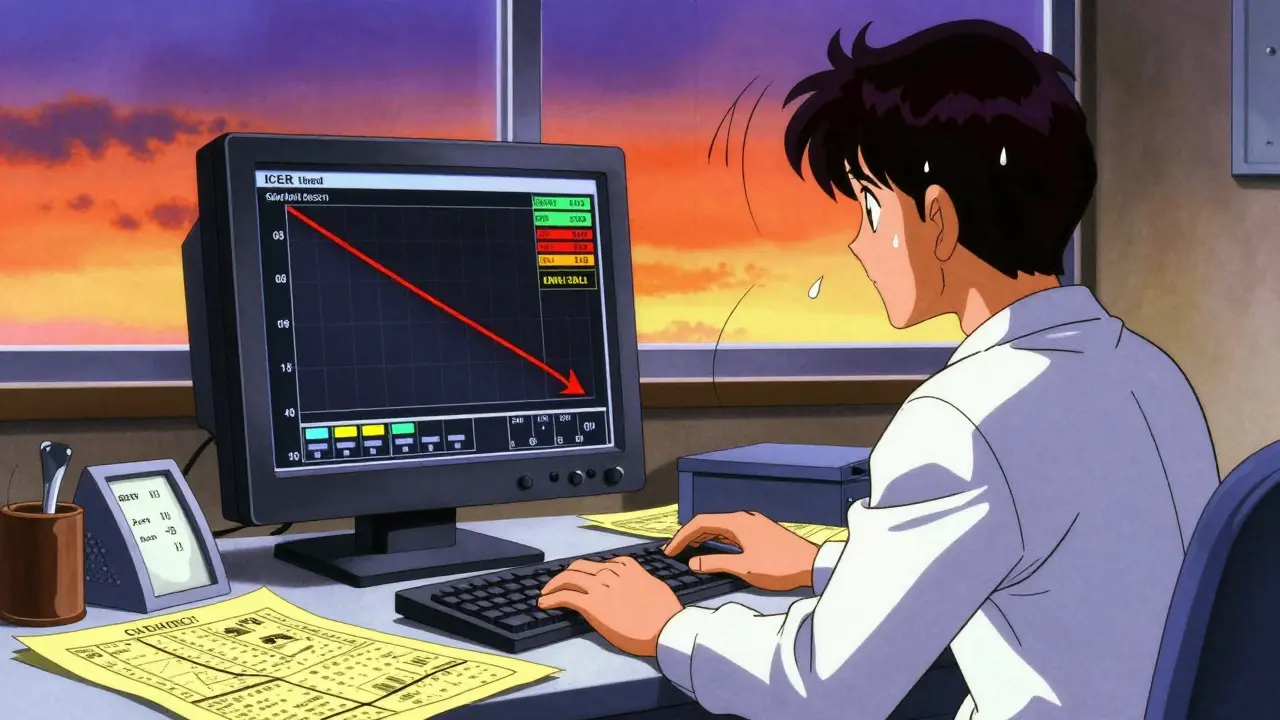
Therapeutic Substitution: The Hidden Savings Opportunity
You don’t always need to switch to a generic of the same drug. Sometimes, switching to a different drug in the same class saves even more. The same JAMA study found that when patients switched from a high-cost generic to a lower-cost therapeutic alternative, savings jumped to nearly 90%. In some cases, the price difference was over 20 times. For example:- Generic Amlodipine (a blood pressure pill) costs $3/month
- Generic Lisinopril (a different blood pressure pill) costs $5/month
- But a high-cost generic like Telmisartan? $180/month
Why U.S. Payers Lag Behind
In Europe, over 90% of health technology assessment (HTA) agencies use formal CEA to decide which drugs to cover. In the U.S.? Only 35% of commercial insurers do, according to a 2022 AMCP survey. Why? It’s not because they don’t care. It’s because they’re stuck in a broken system. Many use outdated pricing data. Some rely on formularies built by PBMs who benefit from higher prices. Others just don’t have the staff trained to run these analyses. The Institute for Clinical and Economic Review (ICER) does it right. Their reports include detailed models of price erosion over time, patent cliffs, and competitor entry. But most insurers don’t have that luxury. They’re using spreadsheets from 2019. Meanwhile, the VA and Medicare Part D have started adjusting their pricing benchmarks. The VA now uses 27% of AWP for generics, while brand-name drugs are adjusted at 64%. That’s a big deal. It means their formularies reflect real market prices-not inflated list prices.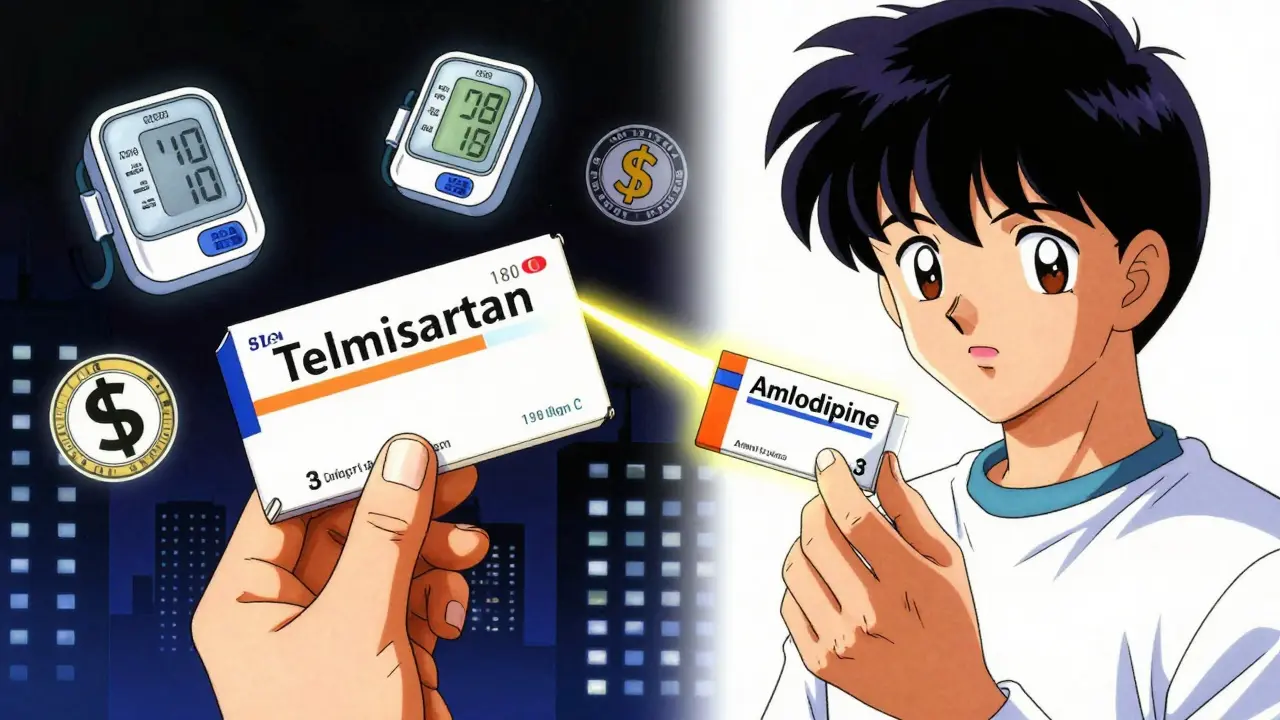
What Needs to Change
To make cost-effectiveness analysis work for generics, three things need to happen:- Use real-time pricing data. Don’t rely on AWP or FSS. Use actual transaction prices from Medicaid, VA, or Medicare Part D. These reflect what’s really being paid.
- Model future generic entry. If a patent expires in 12 months, your CEA should reflect the price drop that will follow. Assume 80%+ reduction after six competitors enter.
- Encourage therapeutic substitution. Don’t just look at same-drug generics. Look across the whole class. The biggest savings often come from switching to a cheaper drug in the same category, not the same drug.



12 Comments
Honestly, this post nailed it. I work in pharmacy and see this every day. One guy walks in asking for Lipitor, gets the $180 generic, and I just say, 'Hey, Lisinopril does the same thing for $5.' Half the time they're shocked. We're not saving lives by charging $180 for a blood pressure pill. We're just making the system look stupid.
Also, GoodRx is your best friend. Seriously. Use it.
bro this is wild. i had no idea some generics cost 20x more than others. like... why? is there a secret club of pill billionaires? i just want my blood pressure to chill. why do i have to be a financial analyst to get my meds?
also. why does my insurance even let this happen? are they just vibing with the pbums?
This is not merely a pricing issue. It is a systemic betrayal of public trust. The pharmaceutical-industrial complex has weaponized regulatory loopholes to extract rents from the sick. The FDA's own data proves that competition drives prices down-but PBMs actively suppress competition to preserve profit margins. This is not capitalism. This is feudalism with a pharmacy counter.
And yet, we call it 'healthcare.' What a sick joke.
Fascinating analysis. The concept of endogenous pricing in HTA is particularly compelling. The failure to model patent cliffs introduces significant upward bias in ICER calculations, effectively incentivizing monopolistic pricing strategies. The empirical evidence from the JAMA study suggests that therapeutic substitution could reduce aggregate spending by upwards of 30% in high-utilization classes. However, structural inertia in formulary design and PBM alignment mechanisms remains a formidable barrier to adoption.
I love how this post breaks it down so clearly. Like, we’re not talking about magic pills here. We’re talking about chemistry. Same molecule. Same effect. Just one costs 10x more because someone decided to charge it like a Tesla.
Also-please, if you’re a provider, ask your patient: ‘Have you checked GoodRx?’ It’s such a small thing. But it can change someone’s month. I’ve seen it. 💙
I knew it. I knew the system was rigged. They don’t want you healthy. They want you dependent. That’s why they let the cheap generics exist-but only if you know to ask. And most people? They don’t. They just trust their doctor. And their doctor trusts the PBM’s formulary. It’s all a pyramid scheme wrapped in a white coat.
And don’t get me started on how the FDA lets this happen. They’re complicit. Just like the AMA. Just like Congress. You think this is about health? It’s about control.
So... we’re paying $180 for a pill that’s basically $5? And this is a problem? I mean, I guess? But I’m just here for the memes.
There is a profound moral imperative here. Every dollar wasted on inflated generic prices is a dollar taken from a child’s medicine, a senior’s insulin, a veteran’s therapy. We must demand transparency. We must demand justice. And we must act-not with anger, but with clarity. The solution is simple: use real data, model future prices, and choose the most effective option-not the most expensive.
It’s not complicated. It’s just human.
Ah yes, the classic PBM play: 'Let’s charge $180 for a $5 drug and call it a 'value-added service.' Wow. What innovation. What ingenuity. I’m sure the shareholders are thrilled. Meanwhile, Mrs. Johnson in Ohio is choosing between her blood pressure med and her cat’s food.
And you know what? The system doesn’t care. It’s designed this way. So don’t be surprised. Be prepared. Ask. Check. Appeal. Repeat.
While the empirical evidence presented is compelling, one must consider the broader economic context. The assumption that price differentials solely reflect market failure ignores the role of manufacturing scale, distribution logistics, and regulatory compliance burdens that vary between manufacturers. Furthermore, therapeutic substitution, while seemingly beneficial, may introduce clinical heterogeneity that is not adequately captured in population-level analyses. A nuanced, risk-adjusted approach is required to avoid unintended consequences in patient outcomes.
this is why america sucks. you pay 10x for same thing. they dont care if you die. they just want your money. fix it or shut up.
The NIH’s 2023 framework is a step in the right direction, but we need to go further. The real innovation isn’t in modeling price erosion-it’s in incentivizing formularies to prioritize real-time transaction data over list prices. If we can tie reimbursement rates directly to Medicaid/VA benchmarks, we remove the incentive for PBMs to game the system. The technology exists. The will doesn’t. Let’s build the policy around the data, not the profit.