24 Dec
When you see a commercial for a new pill that promises to fix your cholesterol, your first thought isn’t usually, "I wonder if there’s a cheaper generic version." It’s more likely: "That looks like it could help me." And that’s exactly what pharmaceutical companies count on.
Ads Don’t Just Sell Drugs - They Sell Beliefs
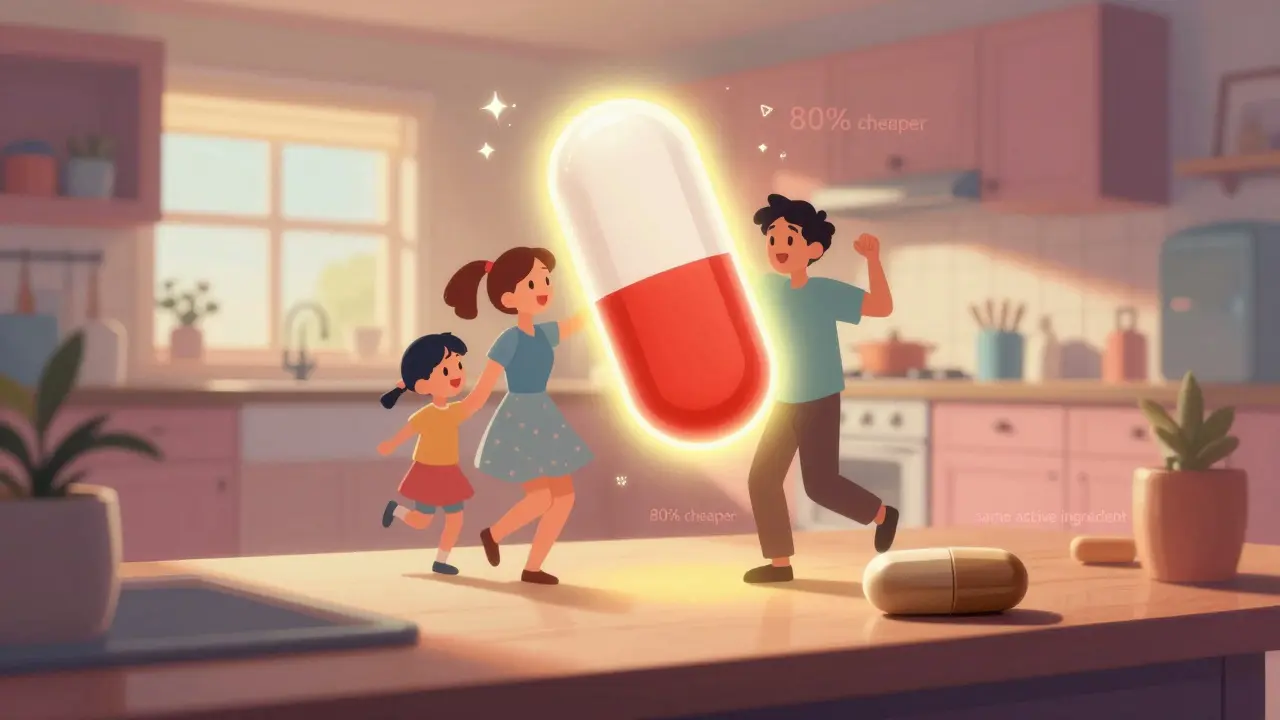
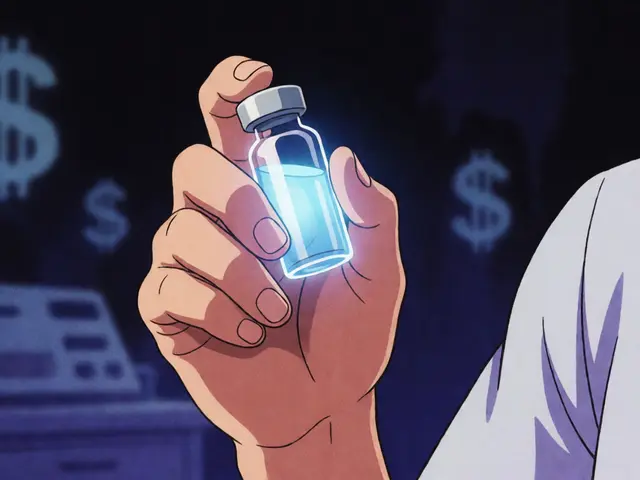
In the U.S., drug companies spend over $6 billion a year on direct-to-consumer (DTC) ads. That’s more than ten times what they spent in 1996. These aren’t simple product listings. They’re emotional stories - people hiking mountains, laughing with grandchildren, dancing in the kitchen. The drugs? Just a quiet footnote. Meanwhile, generic versions of those same drugs - identical in active ingredients, just as safe, and often 80% cheaper - rarely get shown. Not because they’re less effective. But because no one’s paying to tell you about them. This isn’t accidental. It’s strategy. When you see an ad for Lipitor, you don’t just remember the brand. You start associating that drug with wellness, energy, control. The generic atorvastatin? It’s just a pill in a brown bottle at the pharmacy counter. No story. No music. No smiling family. So even if your doctor says, "This generic works the same," your brain is already leaning toward the one you saw on TV.Advertising Drives Requests - Even When They’re Not Needed
A 2005 study in JAMA found that when patients asked for a specific drug they’d seen advertised, doctors prescribed it 90% of the time - even when the request was vague or the drug wasn’t the best fit. In one experiment, actors pretending to be patients asked for advertised antidepressants. Doctors filled those requests far more often than when patients didn’t ask for anything. Fast forward to today: doctors report that nearly 7 out of 10 patient requests for advertised drugs are for treatments they believe are inappropriate. That includes asking for brand-name drugs when a generic would work just as well - or even better, given cost and side effect profiles. Patients aren’t being irrational. They’re responding to messaging they’ve been bombarded with for years.The Spillover Effect: Ads Boost Generics - But Not Their Image
Here’s the twist: advertising for branded drugs actually increases the use of generics too. That’s called the spillover effect. When someone sees an ad for a brand-name statin, they ask their doctor for "that cholesterol pill." The doctor, knowing the generic is just as good and cheaper, prescribes it. So yes, more people end up taking generic versions - but not because they want to. They take them because the brand ad started the conversation. The problem? Patients don’t see the generic as the hero. They see it as the compromise. The fallback. The "well, if you can’t get the other one, this will do." That’s not just a perception gap - it’s a psychological divide engineered by marketing.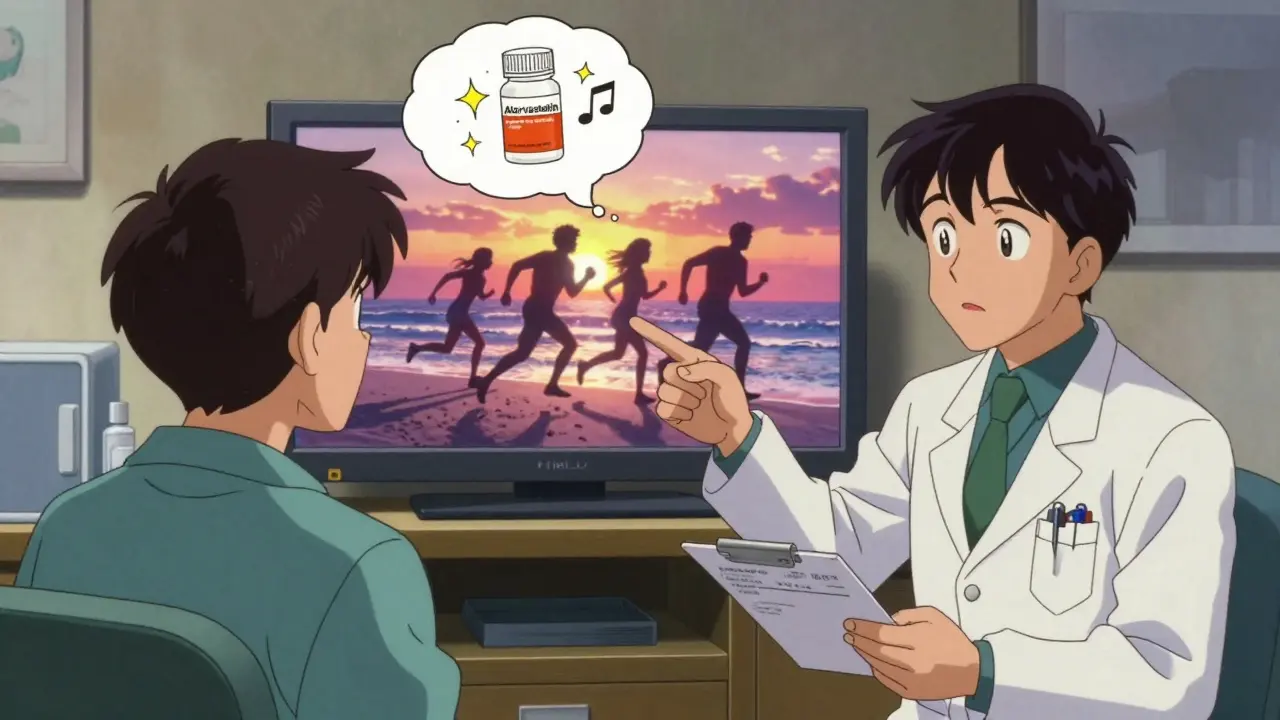
Why the Risks Fade Away
FDA research shows that even after seeing an ad four times, most people still don’t remember the risks. Benefits? They stick. Side effects? Forgotten. The ad shows a person running on a beach. The voiceover says, "May cause headache or nausea." That’s it. No visuals. No emphasis. Just words. Generics don’t get that luxury. They never get the beach scene. So when you compare a branded drug with a glowing ad to a generic with no ad at all, the branded one feels safer, more reliable - even though they’re chemically the same. Your brain fills in the gaps. It assumes if it’s advertised, it’s better tested. If it’s not advertised, maybe it’s not trusted.The Cost of Perception
Every dollar spent on DTC advertising brings in more than $4 in sales. That’s a massive return. But it’s not just about money. It’s about health outcomes. Research from Wharton shows that people who start taking a drug because of an ad are actually less likely to stick with it long-term. They’re more likely to quit after a few months - not because the drug doesn’t work, but because they never fully believed in it. They took it because they saw it on TV, not because they understood their condition or the treatment. Meanwhile, generic drugs are just as effective. Studies confirm they meet the same FDA standards for safety and potency. But without advertising, they’re invisible. And in a world where visibility equals credibility, that’s a huge disadvantage.

10 Comments
Bro this is so real. I saw an ad for that blood pressure med last week, thought I needed it, went to the doc, and he was like 'you good, here's the $4 generic.' I felt dumb but also kinda mad that I got manipulated by a 30-second video of someone kayaking.
They're not selling medicine. They're selling dreams.
Capitalism’s most elegant manipulation. The placebo effect is now a line item in the marketing budget.
Think about it - the same companies that spend billions convincing you your cholesterol is a villain are the same ones lobbying to block generic labels from being as visible as the branded ones. And the FDA? They’re asleep at the wheel. There’s a whole shadow network - pharma-funded ‘patient advocacy groups’ that push brand ads as ‘health education.’ I’ve seen the internal memos. They literally train reps to say ‘brand-name is more reliable’ even when the science says otherwise. This isn’t marketing. It’s psychological warfare disguised as healthcare.
And don’t get me started on how they target seniors with ads during daytime TV - people who don’t know the difference between atorvastatin and Lipitor. It’s predatory. It’s criminal. And no one’s holding them accountable because the money’s too big.
It’s funny - in my culture, we don’t have DTC ads. People trust doctors, not commercials. But when I moved here, I was shocked how much people believe in brands. I once told a friend his generic metformin was identical to the name-brand. He looked at me like I’d said the moon was made of cheese.
We’ve been trained to equate visibility with value. The most expensive thing isn’t always the best - but the loudest one always wins. Maybe we need a new kind of storytelling. Not about dancing grandmas, but about real people who saved hundreds a month because they chose the quiet pill.
It’s not about the drug. It’s about who gets to tell the story.
Why are we even talking about this like it’s a surprise The system is rigged from the start Big Pharma owns the ads the doctors the FDA the media everything You think your doctor is giving you unbiased advice But he’s got samples in his drawer and kickbacks in his pocket And the generic is just the punchline to a joke nobody told you about
They want you dependent not healed
I’ve been on generics for years. Never had an issue. But I get why people hesitate. It’s not about science - it’s about feeling. If you’ve never seen a commercial for it, it’s easy to wonder if you’re settling.
Maybe the fix isn’t more regulation. Maybe it’s just more stories. Real ones. Not ads. Just people saying: ‘This worked. And it didn’t break me.’
Back in India, we don’t have DTC ads. Generics are the norm. People don’t ask for Lipitor - they ask for 'atorvastatin.' No drama, no music, just the medicine.
But here, it’s like the brand name becomes part of the cure. I think it’s time we start normalizing the word 'generic' like it’s not a dirty word. Maybe if we saw ads for generics showing real people saving money and living better… we’d stop seeing them as second-best.
It is an incontrovertible fact that the current regulatory framework governing direct-to-consumer pharmaceutical advertising is insufficiently robust to mitigate the cognitive biases induced by affective appeals. The asymmetry in promotional exposure between branded and generic agents constitutes a market failure that undermines evidence-based prescribing and patient autonomy. A policy intervention mandating proportional representation of therapeutic alternatives in advertising content is not merely advisable - it is ethically imperative.
Oh wow a 6 billion dollar ad campaign and you’re shocked people don’t know generics are the same? Did you also think the toothpaste ad saying 'Cavity protection!' meant it was magic? People are dumb. Ads work. Duh.
Stop pretending this is a conspiracy. It’s just capitalism. Buy the shiny one. The rest is just noise.
There’s something deeply tragic about how we’ve turned health into a branding contest.
Generics don’t need flashy commercials - they need dignity. And right now, the system denies them that.
Every time someone chooses a brand because it 'feels safer,' we lose a little more of what medicine should be: trust, not theater.