What Is a COPD Exacerbation?
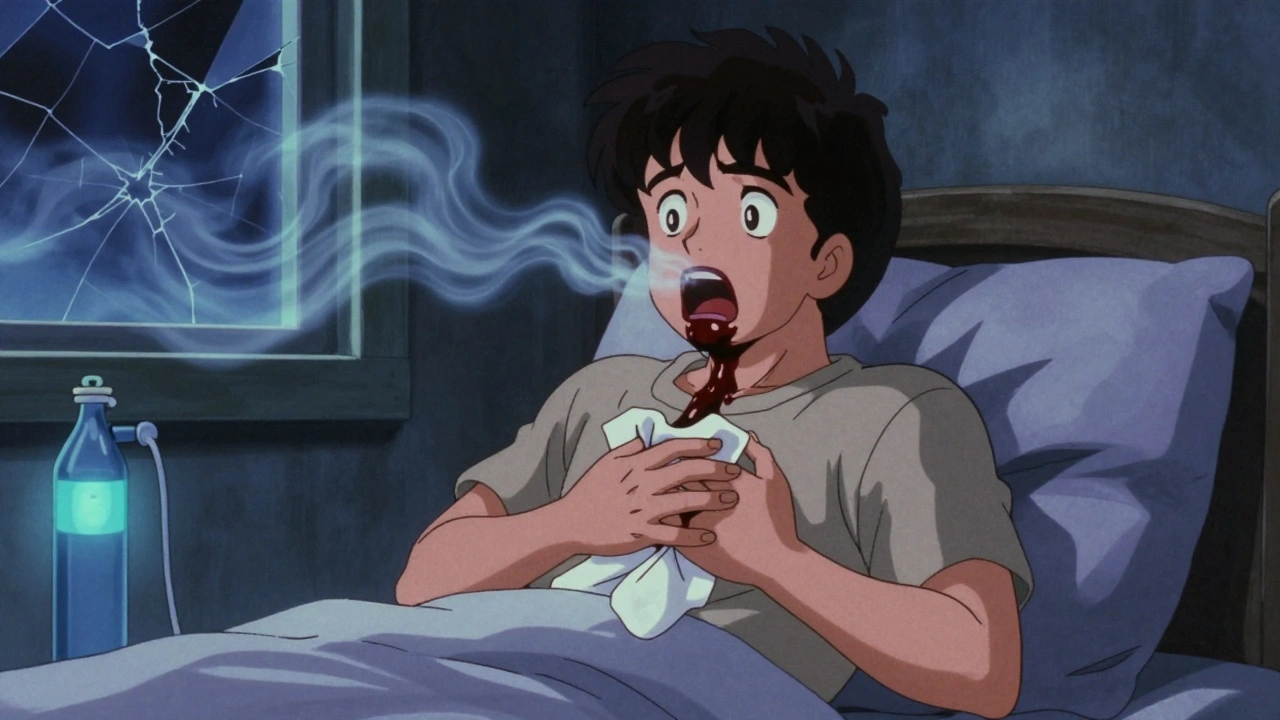
A COPD exacerbation is when your breathing gets suddenly much worse than usual - not just a bad day, but a full-blown flare-up that can land you in the hospital. It’s when your airways become more inflamed, your mucus thickens, and your lungs struggle to get enough oxygen. This isn’t normal day-to-day variation. It’s a medical event that needs quick action.
People with COPD typically have 0.8 to 1.3 flare-ups per year. But as the disease gets worse, that number can jump to three or more annually. Each episode leaves behind some permanent damage. Your lungs don’t fully recover, even after eight weeks. That’s why every flare-up matters - it’s not just about feeling worse today, it’s about losing more lung function for good.
What Are the Warning Signs?
You know your body better than anyone. But during a COPD exacerbation, symptoms change in ways you can’t ignore:
- More coughing - it’s not just frequent, it’s harsher and harder to control
- Thicker, darker mucus - yellow, green, or even streaked with blood
- Worse shortness of breath - even simple tasks like walking to the bathroom feel impossible
- Wheezing or tightness in the chest - like your airways are squeezing shut
- More fatigue - you’re exhausted even after resting
- Difficulty sleeping - you can’t catch your breath lying down
- Fever or chills - a sign your body is fighting an infection
If you notice two or more of these symptoms lasting more than two days, it’s not just a cold. It’s a flare-up. And the sooner you act, the less damage it does.
What Causes These Flare-Ups?
Most COPD exacerbations - about 75% - are triggered by infections. The rest come from environmental irritants.
Infections are the biggest culprit:
- Viruses - rhinovirus (common cold), flu, RSV, and coronavirus cause about 25% of flare-ups
- Bacteria - Haemophilus influenzae, Streptococcus pneumoniae, and Moraxella catarrhalis trigger another 25%
- Combined infections - many flare-ups involve both viruses and bacteria working together
Environmental triggers can set off a flare-up even without an infection:
- Smoking or secondhand smoke
- Heavy air pollution
- Cold, dry air
- Strong fumes - cleaning products, paint, perfume
- Dust or chemical sprays
Interestingly, research shows that people with COPD who use inhaled medications regularly are less likely to have severe flare-ups from viruses like COVID-19. Those medications aren’t just for daily control - they’re a shield during outbreaks.
Why Are COPD Flare-Ups So Dangerous?
It’s not just about breathing harder. During a flare-up, your body goes into overdrive. Inflammation spreads beyond your lungs. Levels of CRP and fibrinogen - markers of systemic inflammation - spike. That puts extra stress on your heart. Studies show COPD flare-ups are linked to higher risk of heart attacks and strokes.
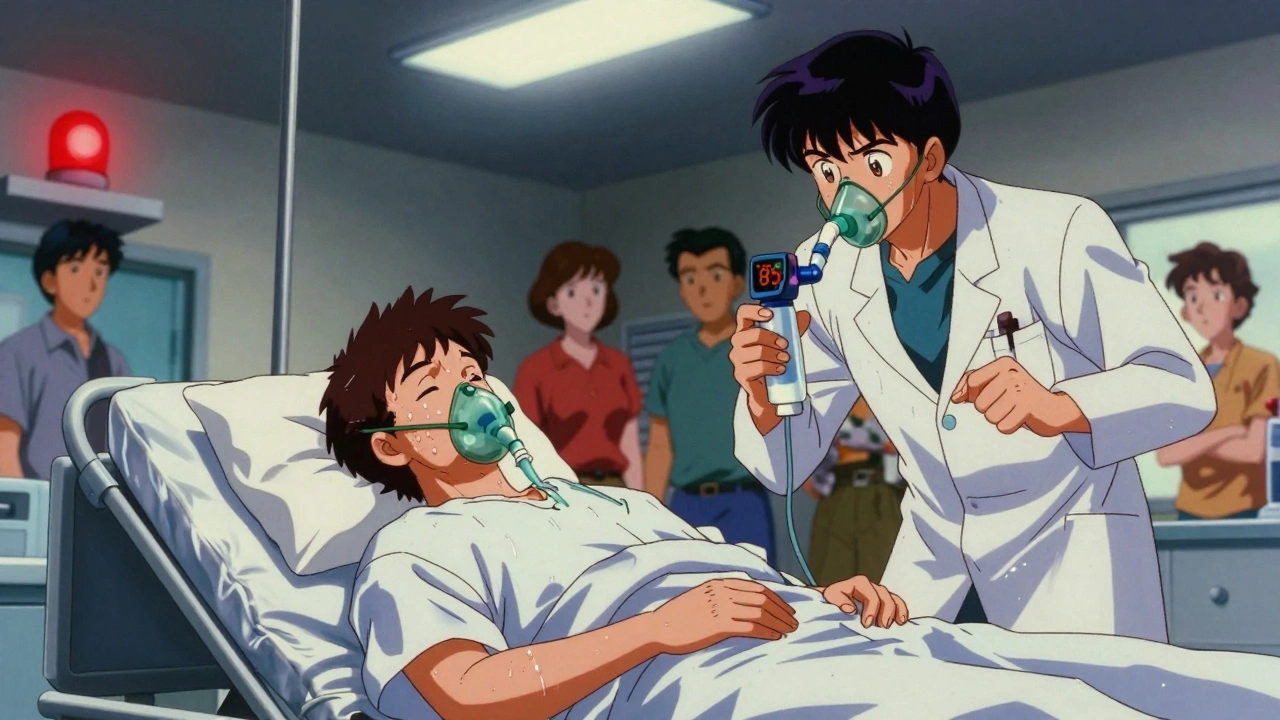
And then there’s oxygen. When your lungs can’t move enough air, your blood oxygen drops. If it falls below safe levels, your organs start to fail. That’s when it becomes life-threatening. Emergency teams see patients with oxygen saturation below 88% - and many are already confused or blue around the lips by the time they arrive.
Each flare-up leaves scars. Your airways get more scar tissue. Your alveoli (tiny air sacs) lose elasticity. Your lungs become less efficient. That’s why people with frequent flare-ups decline faster - even if they’re taking their daily meds.
What Should You Do When a Flare-Up Starts?
Don’t wait. Don’t hope it passes. Act fast.
- Check your COPD Action Plan - if you don’t have one, ask your doctor for one now. It should list exactly what meds to take, when to call your doctor, and when to go to the ER.
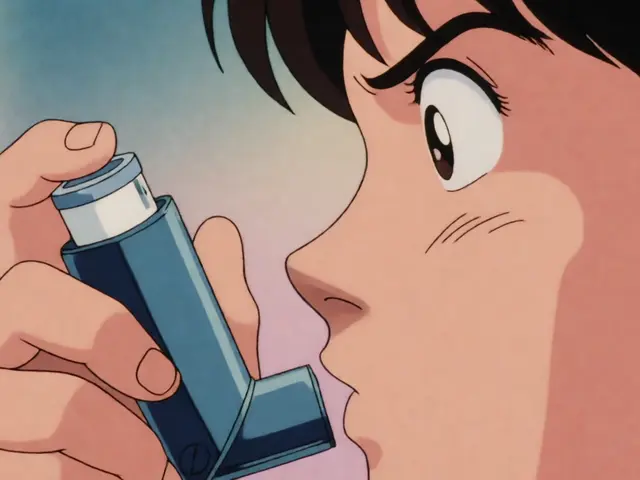
- Use your rescue inhaler - if you have albuterol or similar, use it as directed. Don’t overuse it, but don’t hold off either.
- Start your prescribed flare-up meds - many patients are given oral steroids (like prednisone) or antibiotics to keep on hand. Take them exactly as instructed.
- Use supplemental oxygen - if you’re on home oxygen, turn it up to your doctor’s recommended level for flare-ups. Don’t guess - follow your plan.
- Call your doctor immediately - if symptoms don’t improve within 24 hours, or if you’re struggling to speak in full sentences, get help now.
Remember: oxygen levels below 88% are an emergency. If you have a pulse oximeter and it reads below that, go to the ER. Don’t wait for someone to tell you it’s serious. Your body is screaming for help.
When Do You Need Emergency Care?
Go to the ER or call 911 if you have:
- Severe shortness of breath - you can’t walk or talk without stopping
- Blue lips or fingernails
- Confusion, dizziness, or extreme sleepiness
- Heart rate over 120 beats per minute
- High fever (over 101°F) with chills
- No improvement after using your rescue inhaler and flare-up meds
More than 10 million U.S. healthcare visits each year are for COPD flare-ups. Half of those lead to hospitalization. The earlier you get care, the shorter your stay and the lower your risk of complications.
How Are COPD Flare-Ups Treated in the Hospital?
If you’re admitted, you’ll get a mix of treatments based on your severity:
- Oxygen therapy - carefully controlled to raise your blood oxygen without suppressing your drive to breathe
- Bronchodilators - delivered through nebulizers to open your airways
- Oral or IV steroids - to reduce dangerous inflammation
- Antibiotics - if infection is suspected, even if you’re not sure
- Non-invasive ventilation - a mask that helps you breathe if your lungs are too weak
- Monitoring - blood tests, chest X-rays, and continuous oxygen tracking
Most patients improve within 7 to 14 days. But studies show lung function often doesn’t return to its pre-flare-up level. That’s why prevention is the most powerful tool you have.
How to Prevent Future Flare-Ups
Prevention isn’t optional. It’s your best defense.
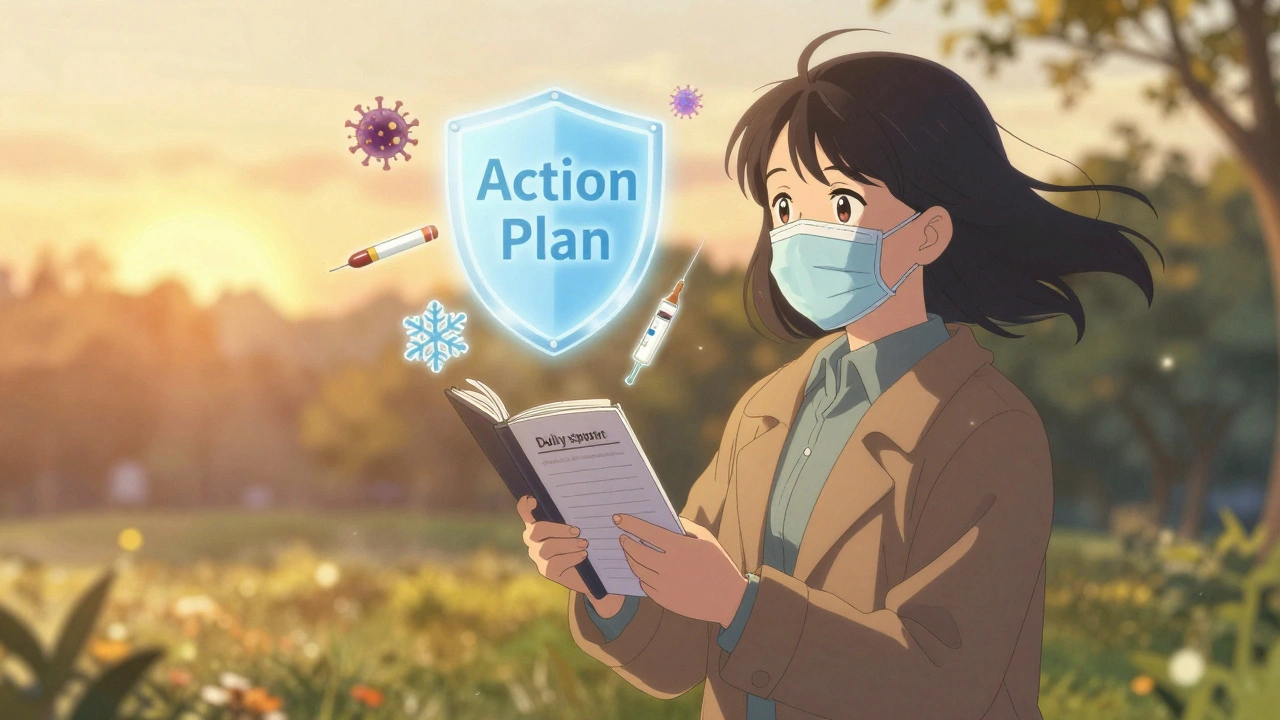
- Get vaccinated - every year: flu shot and pneumococcal vaccine (Pneumovax 23 and Prevnar 13). These cut infection-related flare-ups by up to 50%.
- Take your daily meds - inhaled corticosteroids, long-acting bronchodilators, and combination inhalers aren’t just for comfort. They reduce inflammation and lower your risk of flare-ups.
- Avoid triggers - quit smoking if you haven’t. Avoid secondhand smoke. Use air purifiers. Wear a mask in cold weather or polluted areas.
- Wash your hands - frequently and thoroughly. Viruses spread fast. Don’t shake hands during cold and flu season.
- Stay active - even light walking helps keep your lungs stronger and your body more resilient.
- Track your symptoms - keep a daily log of cough, mucus, breathlessness, and energy. You’ll spot trends before they become crises.
People who follow their action plan and stay on top of prevention have fewer hospital visits, live longer, and keep a better quality of life.
What’s the Long-Term Impact?
COPD is the fourth leading cause of death in the U.S. Flare-ups are a major reason why. Each one accelerates the disease. They increase healthcare costs, force changes to your treatment plan, and chip away at your independence.
But here’s the good news: you’re not powerless. By learning the signs, acting fast, and sticking to prevention, you can break the cycle. You can reduce flare-ups. You can protect your lungs. You can keep breathing easier - for longer.
Final Thought
A COPD exacerbation isn’t just a bad day. It’s a warning sign that your lungs are under siege. The difference between managing it and letting it take control? Knowing the signs. Acting fast. Staying prepared. You don’t need to live in fear. You need a plan - and the courage to follow it.

10 Comments
COPD exacerbations are not something you can afford to ignore. Every flare-up is a permanent loss of lung function, and too many people treat it like a bad cold. If you're coughing more, producing darker mucus, or struggling to walk to the bathroom, that's not normal. That's your body screaming for intervention. Start your action plan immediately. Don't wait for someone else to tell you it's serious. Your lungs don't have time for hesitation.
I lost my dad to COPD after three flare-ups in one year. He didn't have a plan. He thought rest would fix it. It didn't. By the time he went to the hospital, his oxygen was at 79%. He never came home. Please, if you're reading this - get your action plan. Get your meds. Get your pulse oximeter. Don't wait until it's too late. Your family doesn't want to bury you because you thought you could tough it out.
They don't want you to know this but 75% of these 'flare-ups' are caused by Big Pharma pushing antibiotics and steroids so you keep buying their shit. The real cause? Airborne nano-particles from 5G towers and CDC-manufactured 'flu' vaccines. They're testing on us. Look at the stats - hospitalizations spike every time they roll out a new 'seasonal' shot. And don't get me started on oxygen therapy - it's a trap. Your body doesn't need more O2, it needs to detox from the chemtrails. Wear a mask, stop taking their meds, and go live in the woods. Your lungs will thank you.
I'm from India and we don't have access to all these inhalers or pulse oximeters. But we know the signs - when you can't sleep, when your chest feels like a stone, when your breath sounds like a broken bell. We use steam with eucalyptus, ginger tea, and sit upright. We don't wait for doctors. We act. Prevention is everything. No smoke. No dust. No crowds during winter. Simple. Effective. No fancy tech needed.
There's a deeper philosophical layer here that rarely gets discussed. COPD exacerbations force us to confront the fragility of bodily autonomy. We are told to 'manage' our disease, but the system doesn't prepare us for the psychological erosion that comes with losing control over your own breath. Each flare-up isn't just physiological - it's existential. You're not just fighting inflammation; you're fighting the realization that your body is no longer a reliable vessel. That's why adherence to action plans isn't medical compliance - it's an act of reclaiming dignity.
Let me tell you something the medical industry won't admit - they profit from your flare-ups. Hospitals get paid more for ER visits. Insurance companies set premiums based on 'complications.' And don't get me started on the pharmaceutical industry. They want you to need more inhalers, more steroids, more antibiotics. But here's the truth: the real solution is prevention. Vaccines. Clean air. Quitting smoking. Walking every day. They don't sell that in ads because it doesn't make money. So they distract you with fancy nebulizers and 'emergency protocols.' Don't be fooled. Your best weapon is your daily discipline - not your prescription pad.
Stacy here is right about the profit motive, but she's missing the point. The real tragedy isn't corporate greed - it's systemic neglect. People in rural areas don't have access to pulmonologists. Elders on fixed incomes skip meds because they can't afford them. The action plan is useless if you can't fill the prescription. We need policy change, not just personal responsibility. Prevention is great - but only if the system supports it.
lol vaccines? more like the government is using COPD to reduce the old population. they dont want us living past 70 anyway. my uncle got sick after his flu shot and died 2 weeks later. coincidence? i think not. also, air purifiers are fake. the real fix is drinking lemon water with Himalayan salt. try it. your lungs will be like new. just sayin.
Everyone's talking about meds and plans but no one talks about how bad it feels to be trapped in your own body. You can't hug your grandkid without gasping. You can't watch TV without a tank. You're a burden. And the worst part? You know you're dying, but you're too tired to care anymore. This isn't a disease. It's a slow-motion execution.
You got this. 💪 Every small step - washing hands, taking your inhaler, walking to the mailbox - matters. You’re not alone. Millions are fighting the same battle. And every time you follow your plan, you’re not just protecting your lungs - you’re saying NO to fear. Keep going. You’re stronger than you think. 🌿❤️