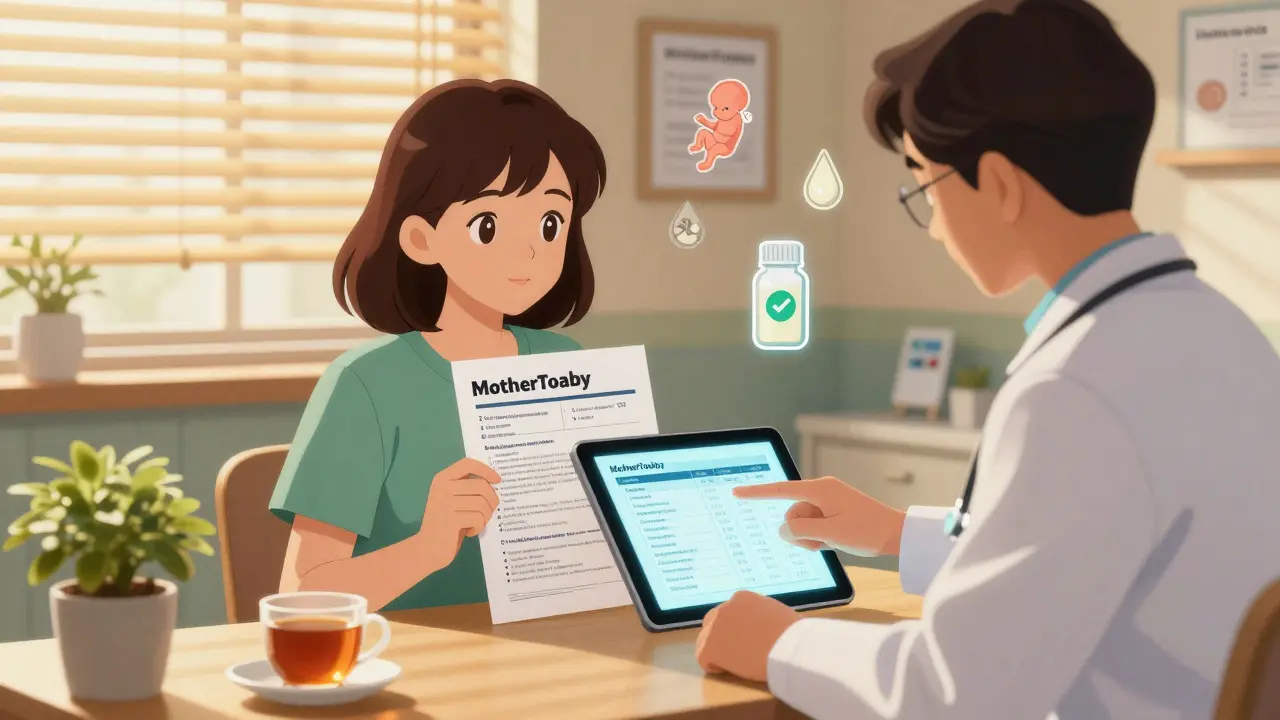
When you're pregnant or planning to breastfeed, the medications you take aren't just about you anymore. Every pill, patch, or injection has two lives now - yours and your baby's. Yet, too often, this conversation doesn't happen the way it should. Providers rush through it. Patients stay silent out of fear or confusion. And in the end, someone ends up taking a medication that could have been avoided - or worse, stops taking one they desperately need.
It doesn't have to be this way. Effective communication about medication safety during pregnancy and breastfeeding isn’t optional. It’s standard care. And it’s working. Clinics that use structured, consistent conversations have seen a 30% drop in harmful drug exposures during pregnancy. That’s not a guess. That’s from a study published in the Journal of Obstetrics and Gynecology in 2019. The key? Making this a routine part of every visit, not an afterthought.
When to Talk About Medications - Not Just When You Find Out You’re Pregnant
Too many people wait until they’ve missed a period to bring up their meds. By then, the window for safe adjustments has already narrowed. The best time to talk? Before you even try to conceive.
Preconception counseling isn’t just for people with complex health conditions. It’s for anyone on a regular medication - even something as simple as ibuprofen or an antidepressant. The FDA’s 2015 Pregnancy and Lactation Labeling Rule (PLLR) replaced the old A-B-C-D-X system with clearer, more detailed summaries. Now, drug labels include specific sections on fetal risk, lactation data, and dosing recommendations. But unless your provider brings it up, you might never see it.
Start the conversation early. Ask: “What medications I’m taking now are safe if I get pregnant?” Even if you’re not trying right now, knowing this ahead of time gives you control. And if you’re already pregnant, don’t panic. The goal isn’t to blame - it’s to adjust. Many medications can be switched to safer alternatives. For example, if you’re on lisinopril for high blood pressure, your provider can switch you to methyldopa or labetalol - both well-studied and safe in pregnancy.
What You Need to Know About Common Medications
Let’s cut through the noise. There’s a lot of misinformation out there. Reddit threads, Facebook groups, and even well-meaning relatives will tell you to avoid everything. That’s not helpful. Here’s what actually matters:
- Acetaminophen (Tylenol) is still the only recommended pain reliever for all three trimesters. Despite recent concerns about autism links, the FDA reviewed 28 studies involving over 7 million pregnancies and found no clear causal link. The risk of untreated pain or fever is far greater.
- Ibuprofen and NSAIDs should be avoided after 20 weeks. They can cause serious fetal kidney problems and reduce amniotic fluid. A 2023 study in the Emergency Medicine Journal found that 43% of pregnant women in ERs were prescribed these drugs anyway - because no one asked if they were pregnant.
- Antidepressants like sertraline and citalopram are among the safest options. The risk of birth defects is low, and untreated depression increases the chance of preterm birth, low birth weight, and postpartum complications. Stopping meds without a plan is riskier than continuing them.
- Breastfeeding changes the game. Most medications that are safe in pregnancy are also safe while nursing. The LactMed database from the National Library of Medicine tracks over 1,000 drugs and their milk levels. For example, fluoxetine (Prozac) passes into breast milk in tiny amounts - far less than what a newborn would get from its own body. But some meds, like certain chemotherapy drugs or radioactive iodine, are not safe. That’s why you need a specific review.
How Providers Should Be Talking to You
A good provider doesn’t just say, “This is safe.” They explain why, and how much risk you’re looking at. Instead of “rare risk,” they say: “There’s about a 1 in 1,000 chance of this causing a problem.” That’s real information. That’s empowering.
They should also offer alternatives. If you’re on a medication with a higher risk profile, they should say: “We can switch to X, or we can try non-drug options like therapy or acupuncture. Here’s what each path looks like.”
And they should document it. Every discussion should be recorded in your chart using standard codes like Z33.1 (pregnant state incidental) or Z34.00 (supervision of normal pregnancy). If it’s not written down, it didn’t happen - and that matters if you end up in a different clinic or ER.
Top-performing clinics now spend 15-20 minutes per prenatal visit specifically on medication review. That’s not a luxury. It’s a necessity. And if your provider won’t take that time, ask for a dedicated appointment. You have the right to it.
What to Do If You’re Not Getting the Right Info
Not all providers are trained equally. A 2023 survey found that only 58% of general OB/GYNs regularly conduct structured medication reviews - compared to 96% of maternal-fetal specialists. If you feel dismissed, here’s how to respond:
- Bring printed resources. The MotherToBaby website offers free, science-backed fact sheets on over 1,800 medications. Print one for your provider. Many clinics now hand them out - but if they don’t, ask for one.
- Ask for a pharmacist consult. Pharmacists are medication experts. In top-performing clinics, pharmacists review every pregnant patient’s meds at three key times: when pregnancy is confirmed, when a drug changes, and when breastfeeding starts. You can request this service even if your clinic doesn’t offer it routinely.
- Use free, reliable tools. The LactMed app (from the National Library of Medicine) gives you instant access to breastfeeding safety data. MotherToBaby also runs a free 24/7 helpline (1-866-626-6847) staffed by teratologists - experts who study how drugs affect babies.
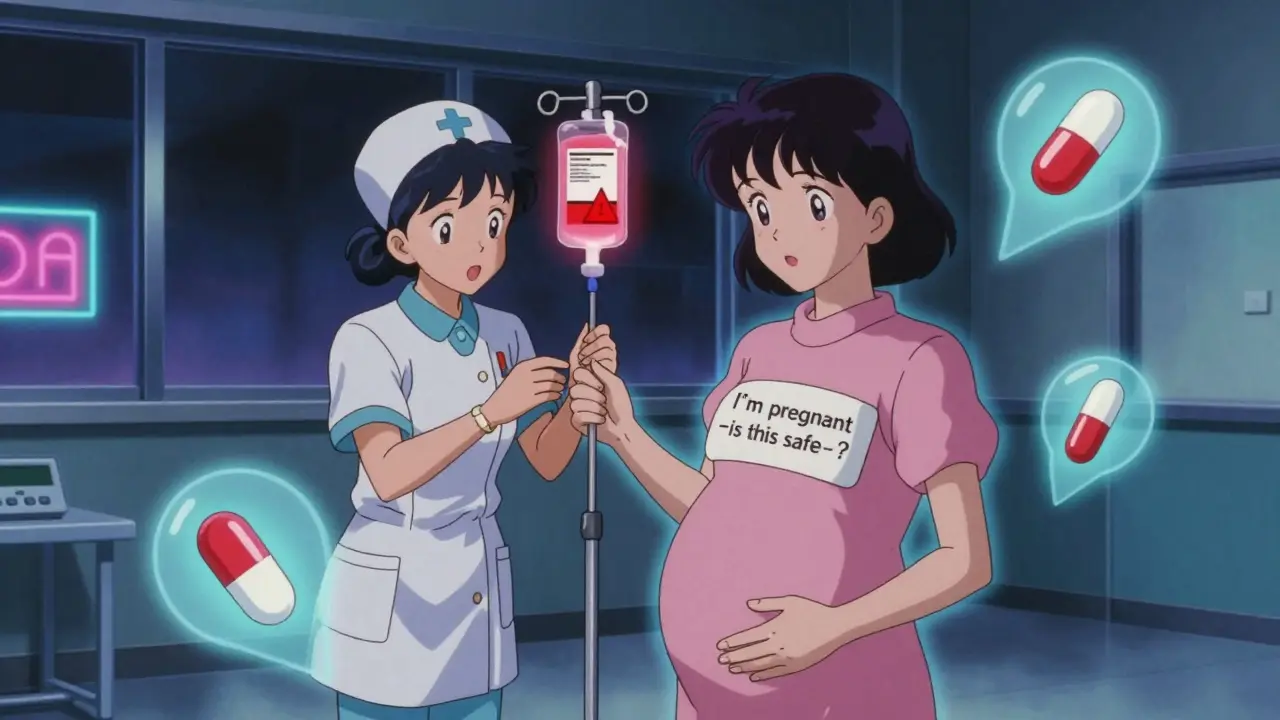
- Speak up in emergencies. If you’re in the ER and they’re about to give you a medication, say: “I’m pregnant/breastfeeding - is this safe?” Most providers will pause and double-check. You’re not being difficult. You’re being smart.

Why This Matters More Than You Think
Medication safety isn’t just about avoiding birth defects. It’s about keeping you healthy so your baby can be healthy too.
Dr. Allen Mitchell from Boston University points out a disturbing truth: 40% of pregnant women stop taking necessary medications - like insulin, seizure meds, or thyroid drugs - because they were scared. But untreated maternal conditions cause more harm than most drugs. A mother with uncontrolled diabetes has a 1 in 3 chance of having a baby with a major birth defect. A mother with untreated epilepsy has a higher risk of stillbirth.
The goal isn’t zero risk. It’s informed risk. You don’t have to take every medication. But you do need to know what happens if you don’t.
And it’s not just about drugs. The same conversation applies to supplements. Vitamin A in high doses can be teratogenic. Herbal teas? Some contain uterine stimulants. Even over-the-counter cold remedies can contain pseudoephedrine, which can reduce blood flow to the placenta.
What’s Changing - And What’s Coming
This field is evolving fast. In 2024, Medicare and Medicaid started requiring documentation of medication safety discussions in 90% of prenatal visits for clinics to get full reimbursement. That’s pushing hospitals to train staff and build systems.
By 2025, all OB/GYN residency programs in the U.S. will be required to include medication safety training. And in April 2024, MotherToBaby’s database was integrated into Epic’s Haiku mobile app - so providers can check a drug’s safety right at the bedside.
Still, big gaps remain. Only 22% of Medicaid patients get documented medication reviews - compared to 78% of privately insured patients. Rural clinics? Only 35% have access to a teratology specialist. That means if you live outside a major city, you might need to be your own advocate even more.
But you’re not alone. Over 150,000 people call MotherToBaby every year. More than 450,000 use LactMed. And patient-led movements - like the Reddit community r/Breastfeeding - are pushing for better care. The more people ask, the more providers will listen.
Is it safe to take antidepressants while pregnant or breastfeeding?
Yes, many antidepressants are considered safe. Sertraline and citalopram have the most data supporting their use during pregnancy and breastfeeding. Stopping these medications without medical guidance increases the risk of relapse, preterm birth, and low birth weight. The benefits often outweigh the small potential risks. Always work with your provider to choose the lowest effective dose and monitor for side effects.
Can I keep taking my blood pressure medication during pregnancy?
Some blood pressure medications are safe, others aren’t. ACE inhibitors like lisinopril and ARBs should be stopped immediately upon confirming pregnancy - they can cause fetal kidney damage. Safer alternatives include methyldopa, labetalol, and nifedipine. Your provider can switch you before or shortly after conception. Never stop cold turkey - uncontrolled high blood pressure is dangerous for both you and your baby.
What should I do if my OB/GYN won’t discuss my meds?
Ask for a referral to a maternal-fetal medicine specialist or a clinical pharmacist. You can also call MotherToBaby (1-866-626-6847) for free, expert advice. Print out their fact sheets and bring them to your next appointment. If your provider dismisses your concerns, consider switching practices. You deserve care that respects your right to informed decisions.
Are over-the-counter drugs safe during pregnancy?
Not all OTC drugs are safe. Avoid ibuprofen, naproxen, and aspirin after 20 weeks. Decongestants like pseudoephedrine can reduce placental blood flow. Many cold and allergy meds contain multiple ingredients - some of which aren’t studied in pregnancy. Always check with your provider before taking anything, even if it’s labeled "natural" or "safe."
How do I know if a medication is safe for breastfeeding?
Use the LactMed database (available as a free app from the National Library of Medicine). It tells you how much of the drug passes into breast milk and whether it’s likely to affect the baby. Most medications are safe in small amounts. The key is timing - taking meds right after nursing can reduce exposure. If you’re unsure, call MotherToBaby or ask your pharmacist.




10 Comments
Look, I get it. You want people to talk about meds before pregnancy. But most folks don’t even know they’re trying until they’re 8 weeks in. And by then? Their doctor’s already written a script for something that shouldn’t be taken. I’ve been there. No one asked me about my antidepressants. Not once. Not even when I went in for a UTI. That’s not negligence - it’s systemic. And now we’re supposed to just ‘ask better’? Good luck with that when your OB is running 45 minutes behind and you’re holding a full bladder.
Also - why is it always the patient’s job to educate the provider? I printed out MotherToBaby fact sheets. I brought LactMed printouts. I asked for a pharmacist consult. They laughed. Not even joking. Laughed. Like I was asking for a unicorn. So yeah - this whole ‘just speak up’ advice? It’s tone-deaf. If your system isn’t built to handle this, then the burden shouldn’t be on the pregnant person.
OMG. I’m so emotional right now. This article literally made me cry - not because it’s informative - but because it’s SO TRUE. I’ve been through this nightmare. I was on Zoloft. My OB said ‘just stop it.’ No data. No alternatives. No conversation. Just ‘you’re pregnant now, so no more meds.’ I had a panic attack in the parking lot. My husband thought I was having a seizure.
And then? I went to a specialist - a real one - and she said, ‘You’re not a hazard. You’re a person.’ She looked me in the eye and said, ‘Your anxiety is more dangerous to this baby than the sertraline.’ And then she printed out a 17-page PDF with graphs. I framed it. It’s on my wall. Next to my ultrasound. I’m not ashamed. I’m empowered. And if you’re not doing this right? You’re failing women. Like, literally.
Are you serious? This whole thing is a Big Pharma scheme. They’ve been pushing antidepressants and blood pressure meds into pregnant women for decades - all while hiding the real risks. Did you know that the FDA’s ‘clearer labels’ were only implemented after lawsuits? And now they’re telling us to trust the ‘LactMed database’? Ha! That’s run by the NIH - which gets funding from pharmaceutical giants. It’s all a smoke screen.
I’ve seen the studies. The ones they don’t publish. The ones where babies had lower IQs after SSRI exposure. The ones where mothers developed postpartum psychosis after switching to ‘safer’ meds. You think your doctor is helping you? They’re just following the script. The real solution? Go natural. Herbal teas. Acupuncture. Cold showers. And if you’re still ‘needing’ meds? You’re not strong enough. And that’s not a medical issue - it’s a spiritual one.
This is so needed. Seriously. I didn’t know ibuprofen was risky after 20 weeks until I was 22. My ER doc almost gave me one. I said ‘wait’ and they paused. That’s all it took. Just one second of asking. So just ask. It’s not rude. It’s smart.
Ugh. I’m so tired of this performative ‘you’re empowered’ nonsense. You say ‘ask your doctor’ like it’s a magic wand. But what if your doctor is a 60-year-old man who still thinks ‘pregnant women shouldn’t take anything’? What if your insurance won’t cover a pharmacist consult? What if you’re on Medicaid and your clinic doesn’t even have a chart for Z33.1? This article reads like it was written by someone who’s never had to navigate this system without a trust fund.
And don’t even get me started on ‘printing fact sheets.’ I printed 12 pages. My OB handed them back and said, ‘We don’t do that here.’ So now what? Do I start a petition? Start a podcast? Become a teratologist? This isn’t empowerment. It’s exhaustion.
It’s fascinating how this conversation hinges on the assumption that medical knowledge is neutral - when in reality, it’s shaped by power structures, economic incentives, and historical biases. The fact that only 22% of Medicaid patients receive documented reviews speaks less to individual negligence and more to a system that devalues the lives of those it serves. We frame this as a ‘communication issue,’ but it’s fundamentally a justice issue.
When we say ‘you have the right to ask,’ we imply that rights are equally accessible. But rights without infrastructure are rhetoric. The real question isn’t whether patients should speak up - it’s why the system hasn’t been designed to listen before they’re forced to.
LMAO. ‘Use LactMed.’ Sure. Because nothing says ‘I’m a responsible parent’ like Googling ‘is my Zoloft safe’ while my baby cries in the next room. And hey - let’s not forget the 43% of ER patients who get NSAIDs because ‘no one asked.’ So… we’re just supposed to yell ‘I’M PREGNANT’ in the middle of a trauma bay? At 3 a.m.? With a broken femur?
This whole thing is a luxury for people with good insurance, a supportive partner, and a therapist on speed dial. For the rest of us? We’re just supposed to ‘be smart’ while the system laughs all the way to the bank.
Also - ‘mother-to-baby’? Sounds like a children’s book. Next they’ll name a database ‘Baby’s Bestie.’
The structural challenges outlined here are profound and deeply concerning. It is not sufficient to place the burden of advocacy upon individuals who are already navigating immense physiological and psychological stressors. The responsibility for ensuring safe, evidence-based, and equitable care must be institutionalized - not individualized.
The integration of pharmacovigilance protocols into EHRs, mandatory training for all OB/GYN residents, and reimbursement structures that incentivize comprehensive medication reviews are not merely best practices - they are ethical imperatives. To treat this as an optional conversation is to treat maternal health as secondary.
Just want to add: If you’re on methotrexate, lithium, or isotretinoin - don’t wait. Stop and get a plan before conception. Those are non-negotiables. No one’s going to remind you. And if you’re unsure? Call MotherToBaby. They’ll walk you through it. No judgment. No sales pitch. Just facts. I’ve called twice. Both times, the person on the other end was a PhD in teratology. That’s not a hotline. That’s a lifeline.
Also - if your provider says ‘we don’t do that here,’ ask for the clinic’s medication safety policy. If they don’t have one? That’s your sign to leave. You’re not being difficult. You’re being the patient they should’ve trained for.
India has better maternal medication guidelines than the U.S. - and we don’t even have Medicaid. We have Ayushman Bharat. We have ASHAs. We have community health workers who go door-to-door. You think your ‘LactMed app’ is revolutionary? We’ve had pamphlets in 18 languages since 2010. Your system is broken because it’s profit-driven. Ours is broken because it’s underfunded. But at least we don’t pretend that ‘asking nicely’ fixes systemic collapse.
And stop calling it ‘pregnancy safety.’ It’s maternal health. Your baby is not a separate entity. You are the ecosystem. If you’re sick, the baby is sick. Stop infantilizing this. Stop making it about ‘risk’ - make it about dignity.