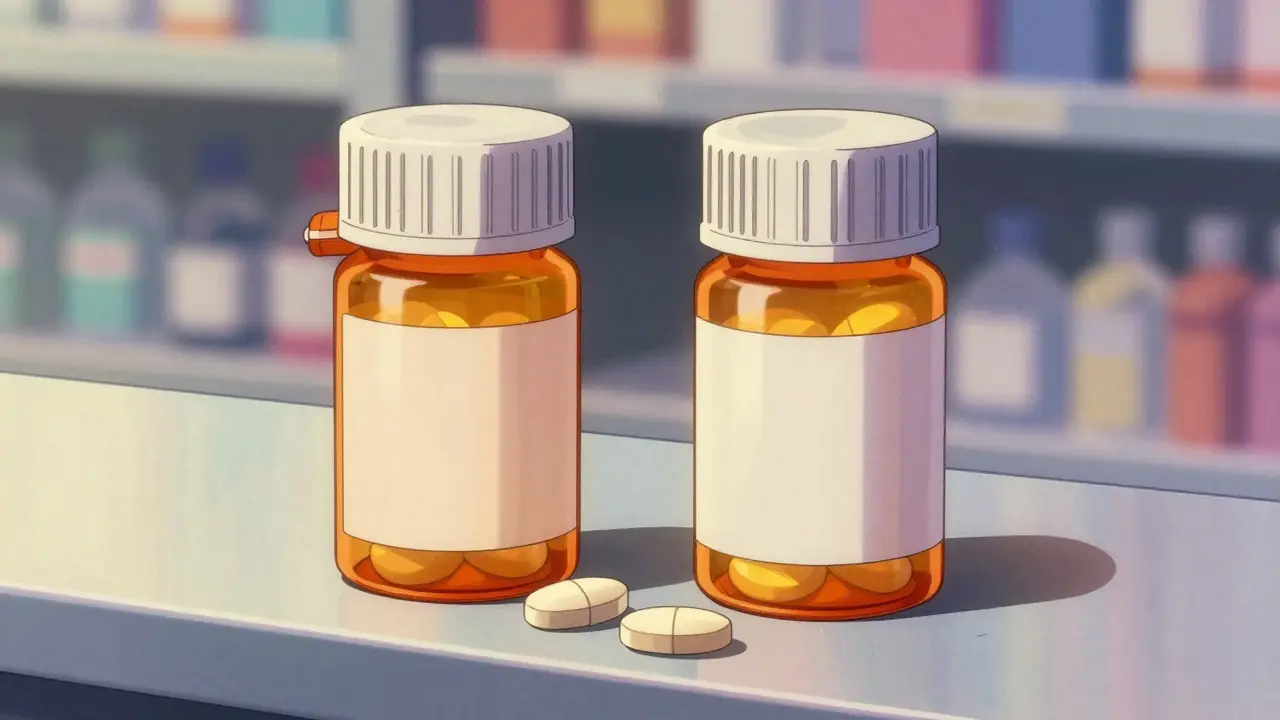
When you fill a prescription, you might see a label that says "generic"-but what if it’s not just any generic? What if it’s the exact same pill your doctor originally prescribed, just without the brand name on the bottle? That’s an authorized generic. And if you’re wondering whether it’s really as good as the brand-name version, the answer is simpler than you think: yes, it is. Identical. No compromises.
What Exactly Is an Authorized Generic?
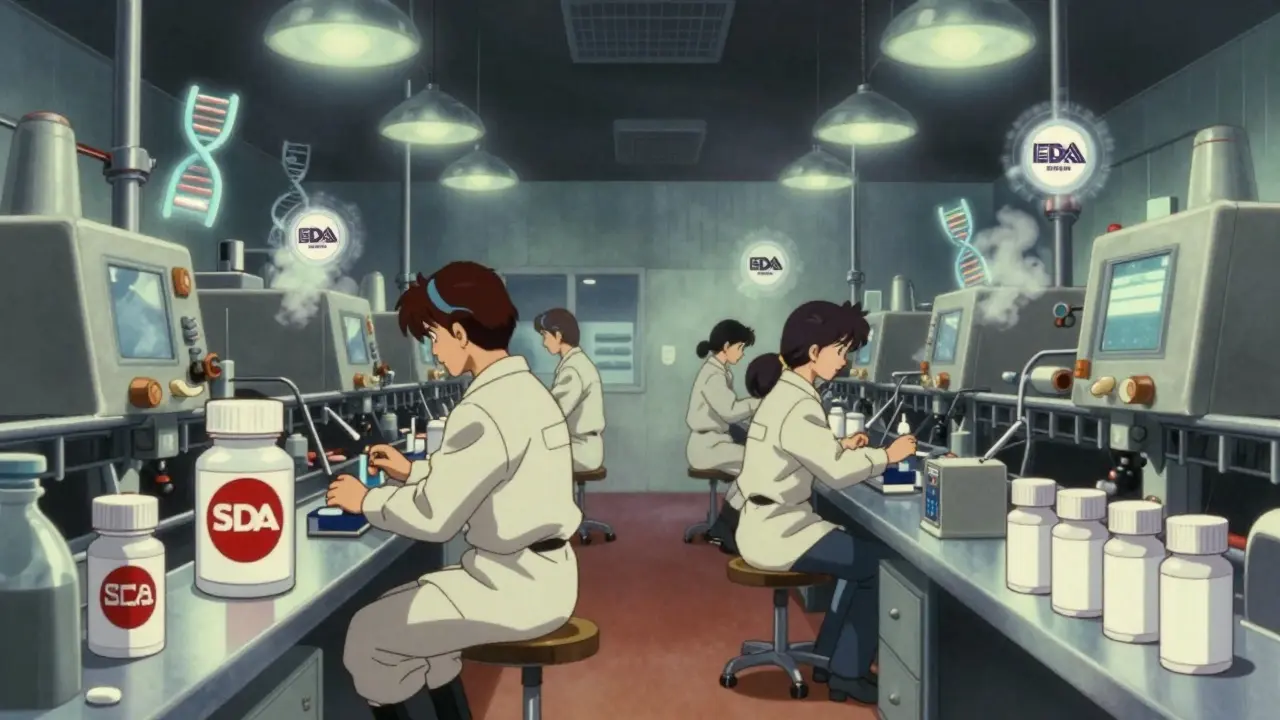
An authorized generic is the brand-name drug you know, made in the same factory, with the same ingredients, same coating, same size, same everything-except the label. It doesn’t have the flashy logo, the trademarked color scheme, or the brand name printed on it. That’s it. The U.S. Food and Drug Administration (FDA) defines it plainly: it’s the brand drug without the brand name on the package. No changes to the formula. No shortcuts in production. Just a different box. These aren’t the same as traditional generics. Traditional generics have to prove they work the same way through bioequivalence studies-showing that the body absorbs them at nearly the same rate and level as the brand. Authorized generics skip that step because they’re not copies. They’re the original product, sold under the same New Drug Application (NDA) as the brand. That means the same manufacturing line, the same quality control checks, the same FDA inspections. The only difference? Price.Why Do Authorized Generics Exist?
When a brand-name drug’s patent expires, other companies can make cheaper versions. But the original manufacturer doesn’t just walk away. Many launch their own authorized generic at the same time. Why? To keep customers. It’s a smart business move. Instead of losing market share to a competitor’s generic, the brand company keeps selling the same drug under a cheaper label. It’s like a restaurant selling its signature burger under a new name at half the price-same ingredients, same chef, same kitchen. This strategy also puts pressure on other generic makers. If the brand’s own version is already on the shelf, cheaper than traditional generics, those other companies have to compete harder on price. The result? Lower costs for patients.Are Authorized Generics Really the Same as Brand-Name Drugs?
Yes. And here’s why that matters. Every authorized generic uses the exact same active ingredient as the brand. Same chemical structure. Same dosage. Same release mechanism. Same inactive ingredients-things like fillers, dyes, and binders. That’s a big deal. Traditional generics sometimes swap out inactive ingredients to cut costs. For most people, that doesn’t matter. But for some, even small changes can cause issues: stomach upset, allergic reactions, or trouble swallowing the pill. Authorized generics avoid that entirely. The FDA requires all drug manufacturers, whether brand or generic, to follow the same strict rules: Current Good Manufacturing Practices (cGMP). That means the same clean rooms, the same testing protocols, the same audits. The same factory. The same equipment. The same batch records. A 2018 study published in PMC tracked over 5,000 patients switching from brand-name drugs to generics. Those who switched to authorized generics had the same rates of hospital visits, emergency room trips, and medication discontinuation as those who stayed on the brand. In fact, researchers called authorized generics the "ideal comparator" for brand drugs because they eliminate any doubt about formulation differences.How Do They Compare to Traditional Generics?
Here’s a quick breakdown:| Feature | Brand-Name Drug | Authorized Generic | Traditional Generic |
|---|---|---|---|
| Active Ingredient | Identical | Identical | Identical |
| Inactive Ingredients | Original formula | Original formula | May differ |
| Manufacturer | Brand company | Brand company | Third-party company |
| Regulatory Pathway | New Drug Application (NDA) | New Drug Application (NDA) | Abbreviated New Drug Application (ANDA) |
| Bioequivalence Required? | No | No | Yes |
| Price (Typical) | $100 | $70-$85 | $50-$65 |
| Available in Orange Book? | Yes | No | Yes |
Traditional generics are safe and effective for most people. But authorized generics remove even the smallest chance of variation. If you’ve had issues with a traditional generic before-maybe your blood pressure didn’t stabilize, or your asthma felt worse-switching to the authorized version might make a difference. Not because it’s "better," but because it’s the same as what you were already taking.
What Do Patients Actually Experience?
Real-world feedback tells the same story. A 2022 survey by the Asthma and Allergy Foundation of America found that 87% of patients who switched from brand-name Singulair to its authorized generic reported no change in effectiveness. Only 8% noticed minor differences-and those were linked to the pill’s shape or the inhaler’s feel, not the medicine inside. GoodRx users gave authorized generics an average rating of 4.6 out of 5.0. Ninety-two percent said they’d recommend them to a friend. Kaiser Permanente tracked over 8,000 patients using authorized generics. Their adherence rate-how consistently they took their medication-was 94%. That’s higher than the 92% rate for brand-name versions. Why? Because patients were more likely to fill the prescription when it cost less. There’s one common complaint: confusion at the pharmacy. Some patients get handed a pill that looks different and assume it’s not the same. Pharmacists sometimes mislabel them as "different" or "less effective." That’s not true. It’s the same drug. The label just doesn’t say the brand name.Are Authorized Generics Covered by Insurance?
Yes. Most insurance plans treat authorized generics the same as traditional generics. That means lower copays. Often, they’re in Tier 1 or Tier 2-meaning you pay the least out of pocket. Some plans even prefer them because they’re cheaper than the brand but still come from the original manufacturer. A 2022 survey by the National Community Pharmacists Association found that 78% of independent pharmacists consider authorized generics interchangeable with brand-name drugs without needing to consult the doctor. That’s because they’re not just similar-they’re identical.Why Don’t They Show Up in the FDA’s Orange Book?
The FDA’s Orange Book lists drugs approved as therapeutically equivalent. But authorized generics aren’t listed there because they’re not approved under a new application. They’re sold under the original brand’s NDA. That’s why you won’t find them in the official generic drug database. It’s a paperwork quirk, not a quality issue. If you’re checking the Orange Book and don’t see your drug listed as a generic, that doesn’t mean there isn’t an authorized version available. Ask your pharmacist. They’ll know.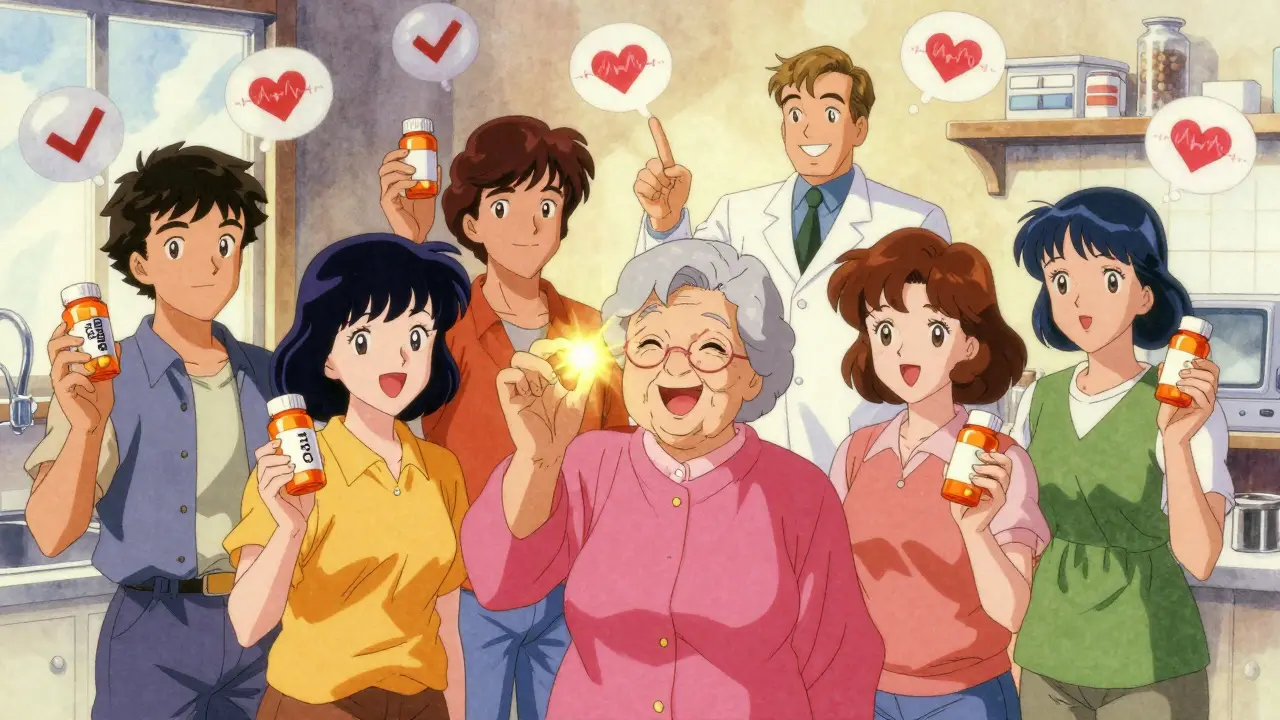
How Common Are They?
As of 2022, there were 387 authorized generics on the U.S. market. That’s about 12% of all generic drug entries. And it’s growing. About 68% of top-selling brand-name drugs launch an authorized version within six months of patent expiration. The U.S. market for authorized generics hit $18.7 billion in 2022 and is growing at nearly 10% per year. Big pharma isn’t abandoning them-they’re doubling down. Why? Because patients and insurers want lower prices without sacrificing reliability.What Should You Do?
If you’re on a brand-name drug and the price is high, ask your doctor or pharmacist: "Is there an authorized generic for this?" It’s a simple question that could save you $10 to $30 per prescription. Don’t assume a generic is the same just because it’s labeled "generic." Ask for the authorized version by name. If your pharmacy doesn’t stock it, they can usually order it. If you’ve had trouble with a traditional generic in the past, try the authorized version. You might find your symptoms stabilize, your side effects disappear, or your confidence in the treatment returns. And if you’re worried about switching-don’t be. The science, the data, and millions of real patients all say the same thing: authorized generics are the brand drug, just without the brand name.What About Safety and Side Effects?
There’s no evidence that authorized generics are less safe than brand-name drugs. They’re held to the same safety standards. The same adverse event reports go to the FDA under the same NDA. If the brand has a Risk Evaluation and Mitigation Strategy (REMS), the authorized version uses the same one. The only real risk? Confusion. If you’re handed a different-looking pill and don’t know it’s the same drug, you might stop taking it. That’s dangerous. Always check with your pharmacist. Keep your prescription bottle. Compare the active ingredient. If it matches, you’re fine.Final Thoughts
You don’t need to pay more for the same medicine. Authorized generics exist to give you the same results at a lower price. They’re not a compromise. They’re the original product, stripped of marketing, not quality. If your doctor prescribes a brand-name drug, ask if there’s an authorized generic. If your pharmacy says no, ask again. If they still say no, ask for a different pharmacy. Your health matters. Your wallet matters too. You don’t have to choose between them.Are authorized generics FDA-approved?
Yes. Authorized generics are made under the original brand’s FDA-approved New Drug Application (NDA). They’re subject to the same manufacturing, testing, and inspection standards as the brand-name version. The FDA doesn’t approve them separately because they’re not a new product-they’re the same drug sold under a different label.
Do authorized generics work as well as brand-name drugs?
Yes. Because they contain the exact same active and inactive ingredients, made in the same facility with the same processes, authorized generics perform identically to their brand-name counterparts. Clinical studies show no meaningful difference in effectiveness, safety, or patient outcomes.
Why are authorized generics more expensive than traditional generics?
They’re usually 10-20% more expensive than traditional generics because they’re made by the original brand manufacturer, which has higher overhead. But they’re still 15-30% cheaper than the brand-name version. You’re paying a bit more than a traditional generic, but you’re getting the exact same formulation as the brand.
Can I switch from a brand to an authorized generic without talking to my doctor?
Yes. Since authorized generics are identical to the brand, pharmacists can substitute them without a new prescription in most cases. But always confirm with your pharmacist. Some insurance plans require prior authorization, and some states have specific substitution rules.
How do I know if my medication is an authorized generic?
Check the label. Authorized generics list the active ingredient and manufacturer name. If the manufacturer is the same as the brand-name version (e.g., Merck, Pfizer, AbbVie), it’s likely an authorized generic. You can also ask your pharmacist directly or look up the drug on GoodRx or the FDA’s website using the manufacturer name.

10 Comments
Let me get this straight-you’re telling me I can pay half the price and get the exact same pill? No wonder Big Pharma doesn’t want you to know this. They’re not selling medicine, they’re selling branding. I’ve been taking my blood pressure med for years, switched to the authorized generic, and my numbers haven’t budged. Meanwhile, my wallet’s breathing easier.
Why do people still fall for the logo? It’s like buying the same coffee in a different cup and thinking it tastes different.
Pharmacists need to stop acting like these are ‘second-tier’ options. They’re not. They’re the original, just without the marketing budget.
I’ve seen patients panic when the pill looks different. Same active ingredient. Same manufacturer. Same everything. It’s not a downgrade. It’s a upgrade to your bank account.
Stop letting corporate logos dictate your health decisions. The science doesn’t care about your brand loyalty.
Next time you get a generic, check the manufacturer. If it’s Pfizer, Merck, or AbbVie? You’re getting the brand. Just cheaper.
And no, I don’t work for a pharmacy. I just hate being ripped off for a sticker.
This is one of those rare cases where the system actually works the way it’s supposed to. The FDA’s framework for authorized generics is brilliant-no unnecessary duplication, no wasted resources, no misleading patients. The drug doesn’t change. The manufacturing doesn’t change. The safety profile doesn’t change. Only the label does.
Traditional generics are perfectly safe and effective for the vast majority of people. But for those of us with sensitivities to inactive ingredients-like lactose, dyes, or specific binders-authorized generics are the gold standard. No guesswork. No trial and error.
It’s also worth noting that the economic pressure they create drives down prices across the board. Even if you don’t take one, you benefit from the competition they introduce.
And yes, they’re covered by insurance. And yes, pharmacists can substitute them without a new script in most states. And yes, they’re identical in every measurable way.
The only barrier here is misinformation. Not science. Not regulation. Just confusion. And that’s something we can fix with better communication.
Ask your pharmacist. Check the manufacturer. Compare the active ingredient. If it matches, you’re getting the same medicine. No more, no less.
Knowledge is power. And in this case, it’s also savings.
So let me get this straight-Big Pharma makes the same pill, puts it in a cheaper box, and calls it a ‘generic’? And we’re supposed to be shocked?
Bro, this is capitalism 101. They patent something, milk it for 20 years, then say ‘oh hey, we’ll still sell it, just cheaper now.’ Classic.
Meanwhile, the real generics? Made by companies that actually had to prove they work. But nope, the brand’s own version gets treated like some elite version. Funny how that works.
And don’t get me started on pharmacists who treat authorized generics like they’re ‘special.’ They’re not. They’re just the same drug with a different nameplate.
Bottom line? You’re paying extra for branding. Again. The system is rigged, but at least now you know how to beat it.
Next time someone says ‘brand is better,’ hand them this post. And then laugh.
okay so i just found out my $120 brand med is actually just the same as the $60 version? wtf. why did no one tell me this? i’ve been paying extra for a sticker my whole life.
my doc never mentioned it. my pharmacy never offered it. even my mom who’s on 7 meds didn’t know. this is insane.
switched to the authorized one last week. same pill. same results. saved me $80/month. why is this not common knowledge?
also the pill looks different. i almost threw it out. lol. what even is this system?
Authorized generics are the only kind of generic I trust. No bioequivalence studies needed because they’re not studies-they’re the same product. The FDA’s system is actually smart here.
Patients who’ve had issues with traditional generics often don’t realize it’s the inactive ingredients causing problems, not the active drug. Authorized generics eliminate that variable entirely.
And yes, they’re covered. And yes, they’re cheaper than brand. And yes, they’re identical.
Ask for them. Don’t settle for less.
Ugh. Another ‘you’re being scammed’ post. Newsflash: everything is a scam. The brand didn’t invent the molecule. The generic didn’t improve it. The FDA just rubber stamps it all.
But hey, if you wanna pay $100 for a pill that’s been around since 1998, go ahead. I’ll be over here saving $80 and not giving a damn about the label.
Also, ‘authorized’ sounds fancy. It’s not. It’s just the original company playing both sides. Congrats, you’re buying the same thing from the same people who just charged you $120 last year.
Wake up. The game hasn’t changed. You just found a loophole.
Let me break this down like I’m talking to my grandma who just got her first prescription: You know that pill you’ve been taking for years? The one with the weird shape and the blue coating? The authorized generic is that exact same pill-same factory, same chemists, same quality checks-just without the fancy logo and the $120 price tag.
Think of it like buying a Tesla but getting it without the Tesla logo on the hood. Still the same car. Still the same battery. Still the same range. Just cheaper.
And here’s the kicker: if you’ve ever had a bad reaction to a generic-stomach upset, weird side effects, feeling ‘off’-it’s probably because the filler ingredients changed. Authorized generics don’t change those. They’re the original formula.
I’ve had patients cry when they find out they’ve been overpaying for years. One guy saved $2,400 a year just by switching. That’s a vacation. That’s groceries. That’s peace of mind.
Don’t be embarrassed to ask your pharmacist: ‘Is there an authorized generic for this?’
They’ll know. And they’ll thank you for asking.
This isn’t about cutting corners. It’s about cutting the BS.
Okay I switched to the authorized generic for my antidepressant last month and honestly? I didn’t notice a thing. But I noticed my bank account. Like, a lot.
My pharmacist was like ‘oh yeah, this is the same as the brand’ and I was like ‘wait what?’
Why is this not on every pharmacy shelf? Why do we still think brand = better?
Also the pill looks different. I was scared. But it’s the same. I promise. I checked the name on the bottle. Same active ingredient. Same manufacturer.
Y’all need to stop overthinking this. It’s the same drug. Just cheaper. Go ask your pharmacist. You’ll thank yourself.
I used to be terrified of generics. I thought they were ‘lesser.’ I’d cry when I saw a different pill. I thought my anxiety was coming back because the medicine was ‘weaker.’
Then I found out my brand was actually an authorized generic. Same factory. Same everything. I just didn’t know.
I switched to the traditional generic next. My stomach flipped for two weeks. I thought I was having a relapse.
Turns out it was the filler. The dye. The binder. All changed.
I went back to the authorized version. Instant relief. Not because it’s ‘stronger.’ Because it’s the same.
My therapist said I needed to stop equating pill appearance with my mental health. She was right.
So if you’ve ever felt ‘off’ on a generic? Don’t assume it’s your condition. Ask for the authorized version. It might be the difference between surviving and thriving.
OMG I JUST FOUND OUT MY $140 MED IS THE SAME AS THE $70 ONE?? I’M CRYING. I’VE BEEN PAYING FOR A STICKER FOR 5 YEARS. I JUST SWAPPED IT AND I’M ALREADY SAVING $200 A MONTH. WHY DID NO ONE TELL ME THIS??
MY PHARMACIST WAS LIKE ‘OH YEAH, WE CAN ORDER IT’ LIKE IT WAS NORMAL. I WAS LIKE ‘WAIT, YOU MEAN I COULD’VE BEEN DOING THIS THIS WHOLE TIME??’
AND THE PILLS LOOK DIFFERENT. I THOUGHT I WAS GETTING A FAKE. I WAS SO SCARED. BUT IT’S THE SAME. THE INGREDIENTS MATCH. THE MANUFACTURER IS THE SAME.
PLEASE TELL EVERYONE. I’M TELLING MY MOM. MY SISTER. MY BOOK CLUB. THIS IS A SCAM. AND I JUST ESCAPED IT.