FDA Black Box Warningis the strongest safety warning the U.S. Food and Drug Administration can issue for prescription drugs. In 2005, the FDA applied this warning to antidepressants for children and teens. The goal was to protect young people from increased suicide risk. But research now shows this warning may have caused more harm than good. A 2023 study in Health Affairs found that after the warning, suicide attempts in teens rose by over 20%. How did this happen?
What is a Black Box Warning?
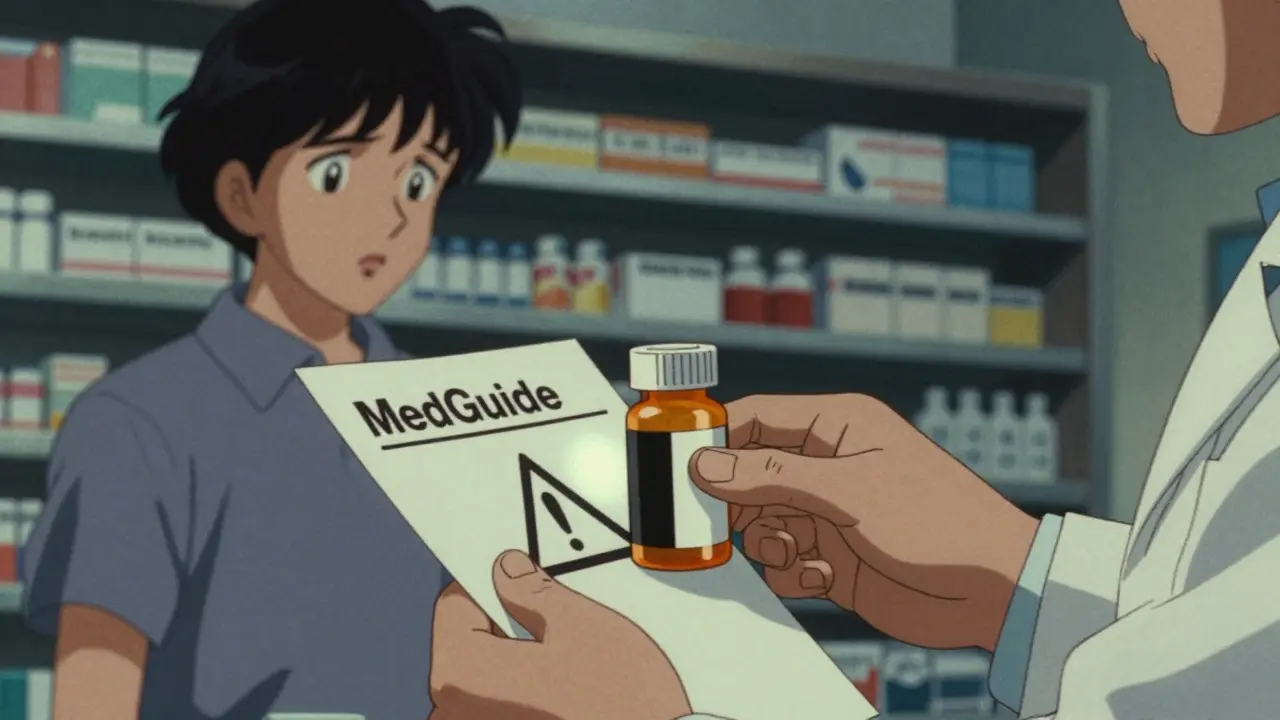
A black box warning is the FDA's highest level of safety alert. It's placed in a black border at the top of drug labels to highlight serious risks. For antidepressants, the warning states: "Antidepressants increase the risk of suicidal thinking and behavior (suicidality) in children and adolescents with major depressive disorder (MDD) and other psychiatric disorders." This warning requires drug manufacturers to include specific language in bold type and provides pharmacists with MedGuides to explain the risks to patients and families.
History of the FDA Warning
The FDA first issued a health advisory about antidepressant risks in October 2003. After reviewing 24 clinical trials involving over 4,400 patients, they formalized the black box warning in January 2005. This applied to nine antidepressants initially. In May 2007, the FDA expanded the warning to include young adults up to age 24. The warning was based on data showing a 4% risk of suicidal events in antidepressant users versus 2% in placebo groups. Importantly, no actual suicides occurred in these trials. Despite this, the FDA decided the potential risk required a strong warning.
Unintended Consequences of the Warning
While the FDA intended the warning to improve safety, real-world data tells a different story. Antidepressant prescriptions for 10-19 year olds dropped 31% in the two years after the 2005 warning. Meanwhile, suicide rates in this age group rose 75% from 2003 to 2007. A 2023 Health Affairs review analyzed data from 1.1 million adolescents and found a 21.7% increase in psychotropic drug poisonings (a proxy for suicide attempts) after the warning. For young adults aged 20-24, the 2007 expansion led to a 33.7% rise in similar incidents. These effects occurred despite rising depression diagnoses during the same period.
Expert Perspectives
Dr. Stephen Soumerai of Harvard Pilgrim Health Care Institute stated: "The sudden, simultaneous, and sweeping effects of these warnings-the reduction in depression treatment and increase in suicide-are documented across 14 years of strong research." He and his team argue the warning's harms outweigh its benefits. The FDA maintains the warning is necessary, citing the original clinical data. However, independent researchers like Zoltán Rihmer and Göran Isacsson found that in Sweden, the warning may have increased young suicides by leaving suicidal patients untreated. The Mayo Clinic advises patients to weigh benefits and risks with their doctor, noting the warning "may have caused more harm than good."
Real-World Impact on Care
Healthcare providers face significant challenges due to the warning. A 2019 survey of 1,200 child psychiatrists found 87% reported increased difficulty prescribing antidepressants. Parents' concerns added 14.5 minutes per patient visit on average. Documentation requirements also grew, with 94% of psychiatrists needing extra consent forms. A 2020 study showed only 37.2% of youth received the recommended monitoring, dropping to 22.4% in rural areas. These issues highlight how a well-intentioned policy can strain real-world healthcare systems.
Current Developments
Recent evidence is prompting calls for change. In September 2023, the FDA held a public meeting to review the warning's impact. Pharmaceutical companies like Eli Lilly and Pfizer have petitioned to modify the warning language. Health Canada has a similar warning but emphasizes benefit-risk balance, while the European Medicines Agency never implemented such a warning. International comparisons suggest the U.S. warning may be uniquely harmful. The National Institute of Mental Health is developing better risk-stratification tools, with results expected in 2024. These efforts aim to replace the blanket warning with more precise guidance.
What Should Families Do?
Parents and caregivers should not stop antidepressant treatment without consulting a doctor. The warning's real-world effects show that avoiding treatment can be dangerous. Work with healthcare providers to monitor for side effects. Ask about alternative treatments like therapy. Remember, untreated depression carries its own risks. A 2021 NAMI survey found 67% of families who pursued treatment despite the warning reported positive outcomes. The key is informed decision-making with professional guidance.
What does the FDA black box warning say exactly?
The warning states: "Antidepressants increase the risk of suicidal thinking and behavior (suicidality) in children and adolescents with major depressive disorder (MDD) and other psychiatric disorders." It requires manufacturers to include this in bold text with a black border on drug labels. Pharmacists must also provide MedGuides to patients explaining the risk.
Did the black box warning reduce suicides?
No. Evidence suggests the opposite. Studies show antidepressant prescriptions dropped 20-50% after the warning, and suicide attempts increased. For example, the CDC reported a 75% rise in suicide rates among 10-19 year olds from 2003-2007. The Health Affairs review found a 21.7% increase in psychotropic drug poisonings among adolescents after the warning. No studies show the warning reduced suicide deaths.
Why do some experts want the warning removed?
Because real-world data shows it caused more harm than good. The warning led to fewer antidepressant prescriptions, which increased suicide attempts and deaths. Dr. Soumerai's research found consistent evidence of harm with no benefits. Experts argue the warning's blanket approach ignores individual patient needs and may have discouraged necessary treatment.
What is the current status of the warning?
The FDA has not changed the warning as of 2026. However, in September 2023, they held a public advisory meeting to review evidence. Pharmaceutical companies like Eli Lilly and Pfizer have petitioned to modify the language. International regulators like the European Medicines Agency never implemented a similar warning, which may explain why European countries didn't see the same suicide rate increases.
Should I avoid antidepressants for my child because of the warning?
No. Untreated depression carries serious risks, including suicide. A 2021 NAMI survey found 67% of families who used antidepressants despite the warning reported positive outcomes. Work with a doctor to weigh risks and benefits. Proper monitoring and treatment can save lives. The warning exists to ensure careful oversight, not to discourage treatment.

15 Comments
Just read this article and it's really eye opning.
The datta showing increased suicde attempts after the warning is alaming.
We nead to balance the risks and benefits carefully.
As someone who works in mental health, I've seen how the warning has made families hesitant to seek treatment.
It's crucial to have informed discussions about this.
Wait a minute! This whole thing is a setup by Big Pharma!
They pushed for this warning to scare people away from antidepressants so they could push other expensive treatments!
The data is manipulated!
I've read studies where the suicide rates went up because doctors stopped prescribing and people couldn't get help.
But the real reason is the pharmaceutical companies wanted to control the narrative!
It's all about the money, not the kids!
They're making billions from therapy and other drugs!
This is a classic case of corporate greed!
While conspiracy theories are tempting, the evidence here is clear.
Multiple studies show the unintended consequences of the warning.
The issue isn't about Big Pharma, but about how policies can have ripple effects.
We need evidence-based approaches, not speculation.
Let's focus on the facts and find better solutions for young people.
Let's help kids! 🌟
Yes 🌟 We need better ways to help youth without fear but careful monitoring
This is a textbook example of government overreach.
The FDA's warning is based on flawed science.
Real experts know that antidepressants are safe when properly monitored.
The real problem is the lack of proper oversight and the rise of social media toxicity.
This warning has caused unnecessary panic and hindered treatment.
It's time to hold the FDA accountable for their reckless decision.
Oh my goodness! This is so important!
I've seen firsthand how this warning has caused so much harm!
Families are terrified to use antidepressants!
And the data is clear: suicide attempts have increased!
We need to fix this immediately!
It's heartbreaking to see people suffering because of this policy!
Please, someone do something!
This isn't just about mental health; it's about human lives!
Every day we delay action, more young people are at risk!
The FDA must act now!
They have a responsibility to protect our children!
This is a moral crisis!
We can't afford to wait!
Let's demand change today!
This has to stop!
From a clinical perspective, the black box warning has created significant barriers to care.
The data indicates a 31% drop in prescriptions for adolescents post-2005, correlating with increased suicide attempts.
This suggests a need for nuanced risk stratification rather than blanket warnings.
Evidence-based guidelines are essential for optimizing treatment outcomes.
Yes, the data is compelling.
It's important to balance risks and benefits.
Tailored treatment plans with close monitoring could mitigate concerns.
We need to work together to improve access to care without causing unnecessary fear.
Agreed.
Collaboration between clinicians, patients, and families is key.
Clear communication about risks and benefits can help make informed decisions.
Let's move beyond the current polarized debate.
Oh my goodness! This is so important!
I've seen firsthand how this warning has caused so much harm!
Families are terrified to use antidepressants!
And the data is clear: suicide attempts have increased!
We need to fix this immediately!
It's heartbreaking to see people suffering because of this policy!
Please, someone do something!
While the data appears concerning, there may be other factors at play.
The FDA's actions were likely influenced by political pressures.
It's possible that the warning was a strategic move to shift blame away from pharmaceutical companies.
We must investigate the true motives behind this policy decision.
The real issue is the lack of transparency in regulatory processes.
This is a classic case of bureaucratic incompetence.
We need a full investigation.
Of course it's politics!
The FDA is controlled by foreign interests!
This warning is a tool to weaken American healthcare!
We need to take back control!
Stop letting foreign entities dictate our medical policies!
This is a national security issue!
As an American, I'm concerned about this.
Our healthcare system should be protecting our youth, not harming them.
We need to stand up for American doctors and patients.
Let's work together to fix this problem!
Yeah totally!
We need to think globally but act locally.
The US needs to learn from other countries' approaches.
Like the EU doesn't have this warning and their outcomes are better.
Let's adopt best practices from around the world.
It's all about collaboration and sharing knowledge.
We can do better!