Archive: 2025/11

Ringworm and Tinea: Understanding Fungal Skin Infections and How Antifungal Creams Work
Ringworm is a common fungal skin infection caused by dermatophytes, not worms. Learn how antifungal creams like terbinafine and clotrimazole work, what causes outbreaks, how to prevent recurrence, and when to see a doctor.
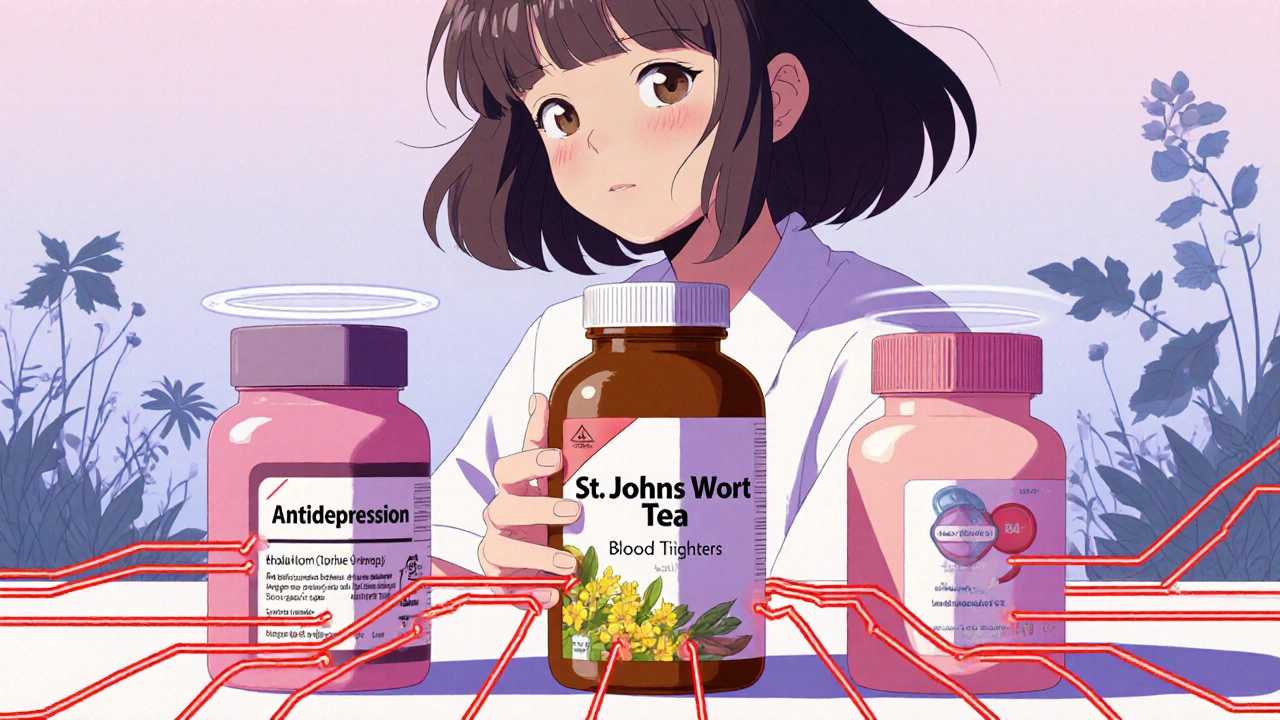
Herbal Supplements and Drug Interactions: What You Need to Know for Safety
Herbal supplements can dangerously interact with prescription medications, reducing effectiveness or causing toxic buildup. St. John's wort, ginkgo, and danshen are among the highest-risk herbs. Most users don't tell their doctors-putting their health at risk.
When to Use OTC vs. Prescription Medications for Common Conditions
Learn when to choose OTC medications over prescription drugs for common issues like headaches, allergies, and heartburn. Understand safety, cost, and when to see a doctor.
Lot Numbers and Serial Codes: How Track-and-Trace Stops Counterfeit Drugs
Lot numbers and serial codes are the backbone of track-and-trace systems that prevent counterfeit drugs from reaching patients. Learn how they work, why they’re required by law, and what you can do to stay safe.
Penicillin Allergy Testing: How to Stop Unnecessary Avoidance and Reduce Side Effects
Most people labeled with penicillin allergy aren’t truly allergic. Testing can safely remove this label, reduce risky antibiotic use, lower costs, and prevent deadly infections like C. difficile.
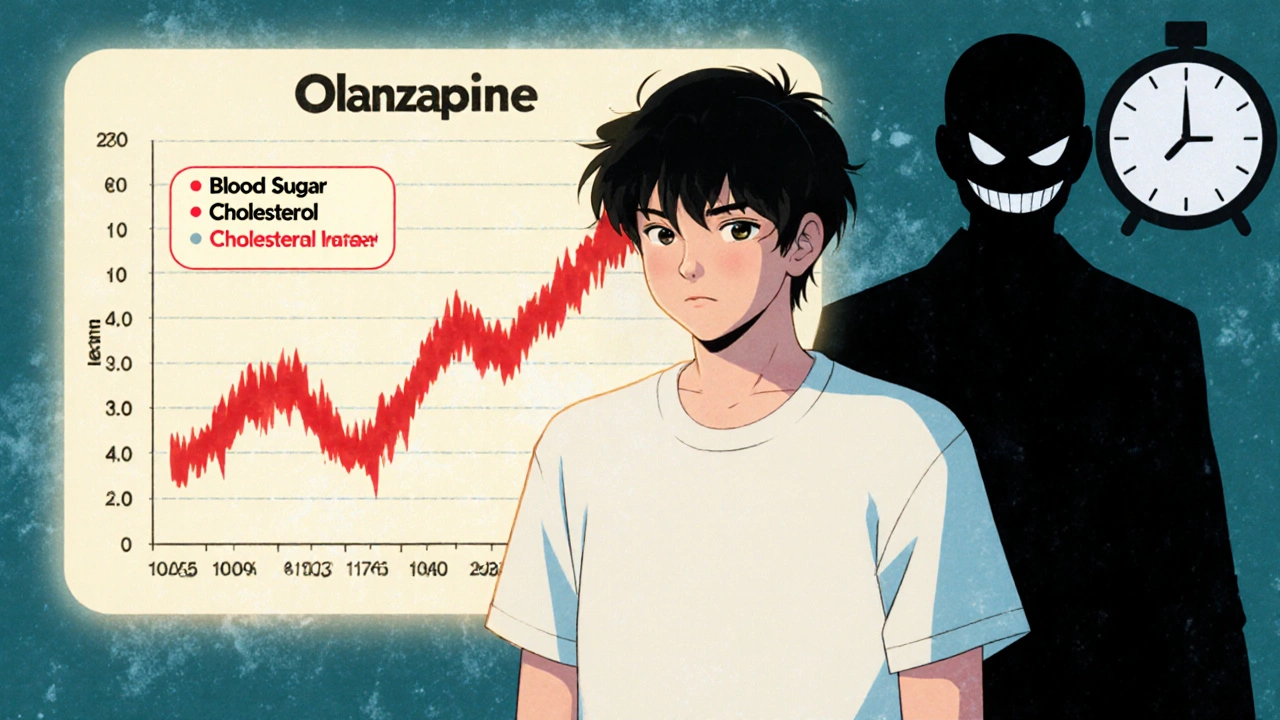
Antipsychotics and Metabolic Risks: What You Need to Monitor
Antipsychotics can cause serious metabolic risks like weight gain, diabetes, and heart disease. Learn which drugs are most dangerous, how to monitor your health, and what to do if side effects appear.
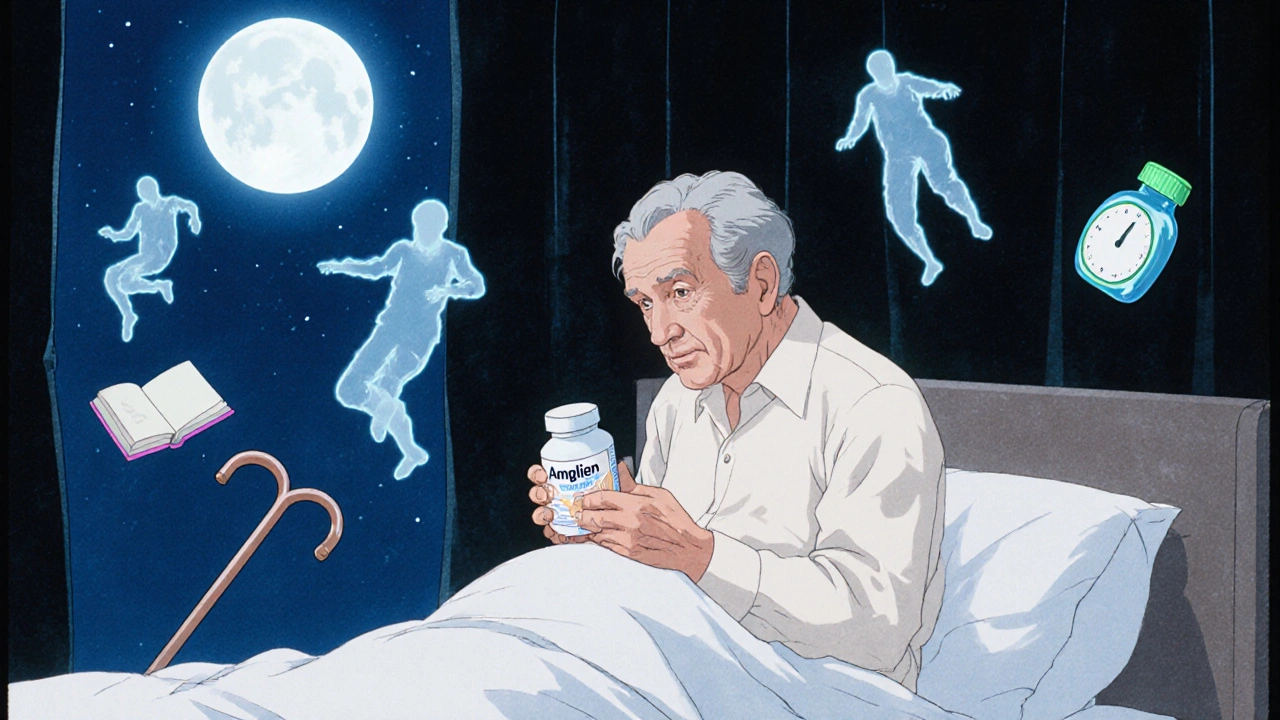
Sleep Medications and Sedatives in Seniors: Safer Sleep Strategies
Most sleep meds for seniors increase fall and dementia risk. Learn safer alternatives like CBT-I, low-dose doxepin, and ramelteon-and how to stop risky prescriptions safely.

Hepatitis A: What It Is, How to Prevent It, and How Long Recovery Takes
Hepatitis A is a contagious liver infection that causes fatigue, jaundice, and nausea but rarely leads to long-term damage. Learn how it spreads, how long recovery takes, and how to prevent it with the vaccine.

Sleep Medications: Safety Risks, Dependence, and Proven Alternatives
Sleep medications offer quick relief for insomnia but carry serious risks including dependence, next-day impairment, and increased fall risk. Learn why CBT-I and behavioral strategies are safer, more effective long-term solutions.

Women’s Heart Disease: Unique Symptoms and Risk Management
Heart disease is the top killer of women, yet symptoms like fatigue, jaw pain, and nausea are often missed. Learn the unique warning signs, why diagnosis fails, and what women can do to protect their hearts.

Healthcare Communication Training: What Institutional Generic Education Programs Really Do
Institutional healthcare communication programs use evidence-based training to reduce errors, improve patient satisfaction, and cut malpractice claims. Learn how these programs work, who benefits, and why they're becoming essential in modern care.

How Malaria and Waterborne Diseases Are Connected
Malaria and waterborne diseases like cholera and dysentery are linked through poor water management. Standing water breeds mosquitoes and carries germs. Fixing water infrastructure helps fight both.