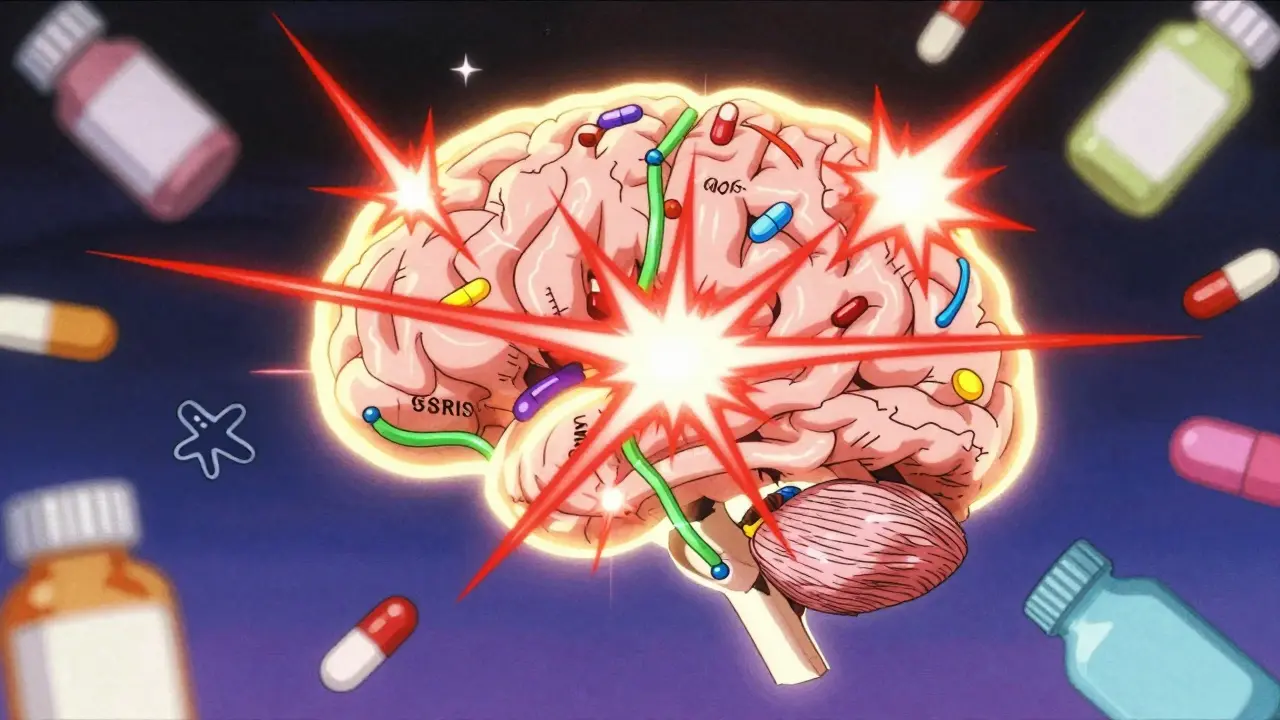
When you’re taking more than one psychiatric medication, it’s not just about how each drug works on its own. It’s about how they talk to each other inside your body. Some combinations can make you feel better. Others can land you in the hospital-or worse. This isn’t theoretical. Every year, thousands of people end up in emergency rooms because of dangerous drug interactions. And most of them were prescribed by doctors who didn’t realize the risk.
Why Some Medications Don’t Play Nice
Psychiatric drugs don’t float around your brain like random particles. They target specific chemicals-neurotransmitters-that control your mood, sleep, focus, and even your heart rate. The big three are serotonin, norepinephrine, and dopamine. Many medications bump up or block these chemicals. When two drugs do the same thing at the same time, things get risky. For example, SSRIs like fluoxetine and sertraline boost serotonin. So do SNRIs like venlafaxine. So do certain opioids like tramadol and some migraine meds like triptans. Throw them all together, and you’re asking for serotonin syndrome. This isn’t just nausea or restlessness. It’s high fever, muscle rigidity, seizures, and organ failure. In severe cases, 2 to 12% of people die. MAO inhibitors like phenelzine (Nardil) are especially dangerous. They stop your body from breaking down serotonin at all. If you take one with an SSRI-even weeks after stopping it-you’re playing Russian roulette with your nervous system. That’s why doctors require a 2-week washout period before switching. Some guidelines say 5 weeks for fluoxetine, because it sticks around longer than other SSRIs.The Worst Combinations You Need to Avoid
Here are the top three most dangerous combinations, backed by clinical evidence:- MAOIs + SSRIs/SNRIs: The classic serotonin syndrome trap. Even a single dose of an SSRI after an MAOI can trigger a life-threatening reaction.
- Lithium + NSAIDs: Lithium is tricky. It has a tiny window between helping and poisoning. NSAIDs like ibuprofen or naproxen can cause lithium levels to spike by 25-50%. A patient on 600 mg of lithium daily could hit toxic levels after just a few days of taking Advil for a headache.
- TCAs + Antihistamines or Alcohol: Tricyclic antidepressants like amitriptyline already cause drowsiness and dry mouth. Add diphenhydramine (Benadryl) or a glass of wine, and you’re looking at extreme sedation, low blood pressure, or even heart rhythm problems.
Why Some Medications Are Safer Than Others
Not all psychiatric drugs are created equal when it comes to interactions. Some are like quiet neighbors. Others are loud, messy, and invite trouble. SSRIs vary a lot. Fluvoxamine is a powerhouse enzyme inhibitor-it messes with CYP1A2, 2C9, 2C19, and 3A4. That means it can interfere with over 50 other drugs, including blood thinners, seizure meds, and even caffeine. Sertraline and citalopram? Much quieter. They’re often preferred in people already on multiple medications. SNRIs like venlafaxine have fewer enzyme issues, but they can still raise blood pressure. Combine them with stimulants like Adderall, and you’re risking hypertensive crisis. Atypical antipsychotics? Quetiapine is relatively safe. Ziprasidone? Not so much. It can prolong the QT interval, which can cause dangerous heart rhythms. Add it to an SSRI that also affects QT, and you’re asking for torsades de pointes-a type of cardiac arrest.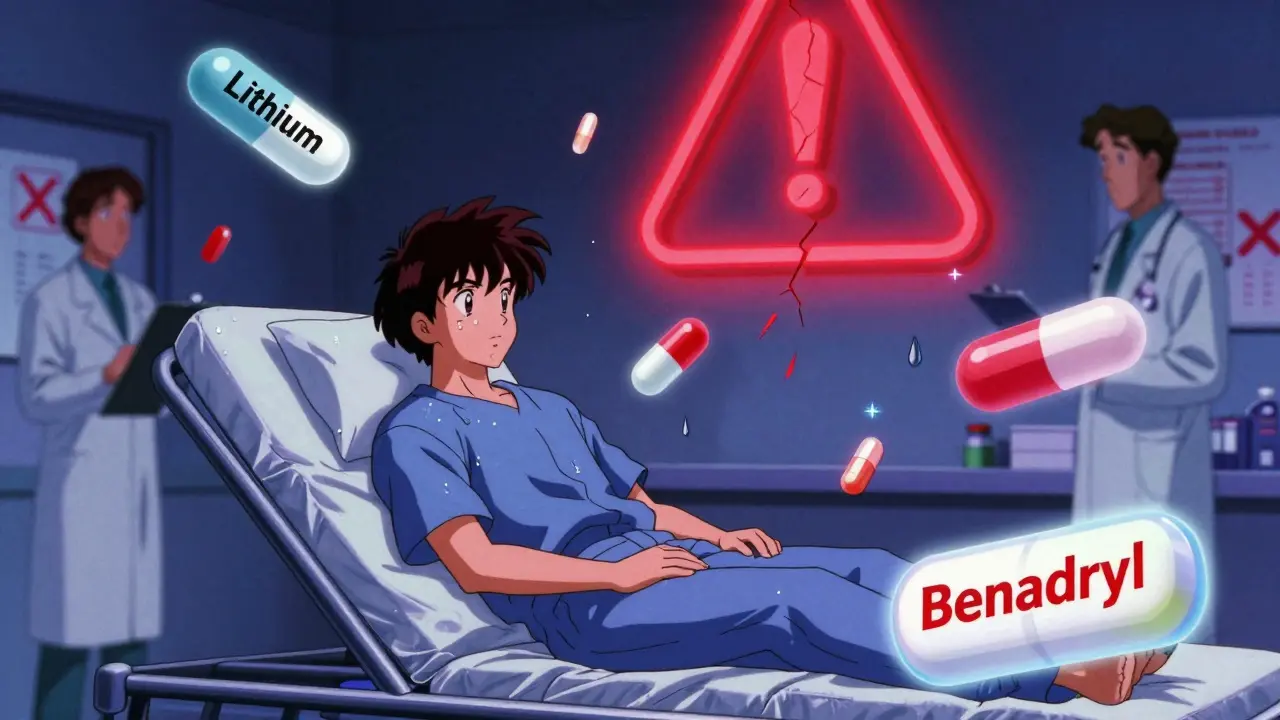
How to Spot Trouble Before It Starts
You don’t need to memorize every drug interaction. But you do need to know the red flags:- New symptoms within days of starting a new med: Agitation, sweating, tremors, confusion, fast heartbeat-these aren’t just side effects. They’re warning signs.
- Medications with narrow therapeutic windows: Lithium, carbamazepine, clozapine, and valproate need regular blood tests. One small change in dose or diet can push you over the edge.
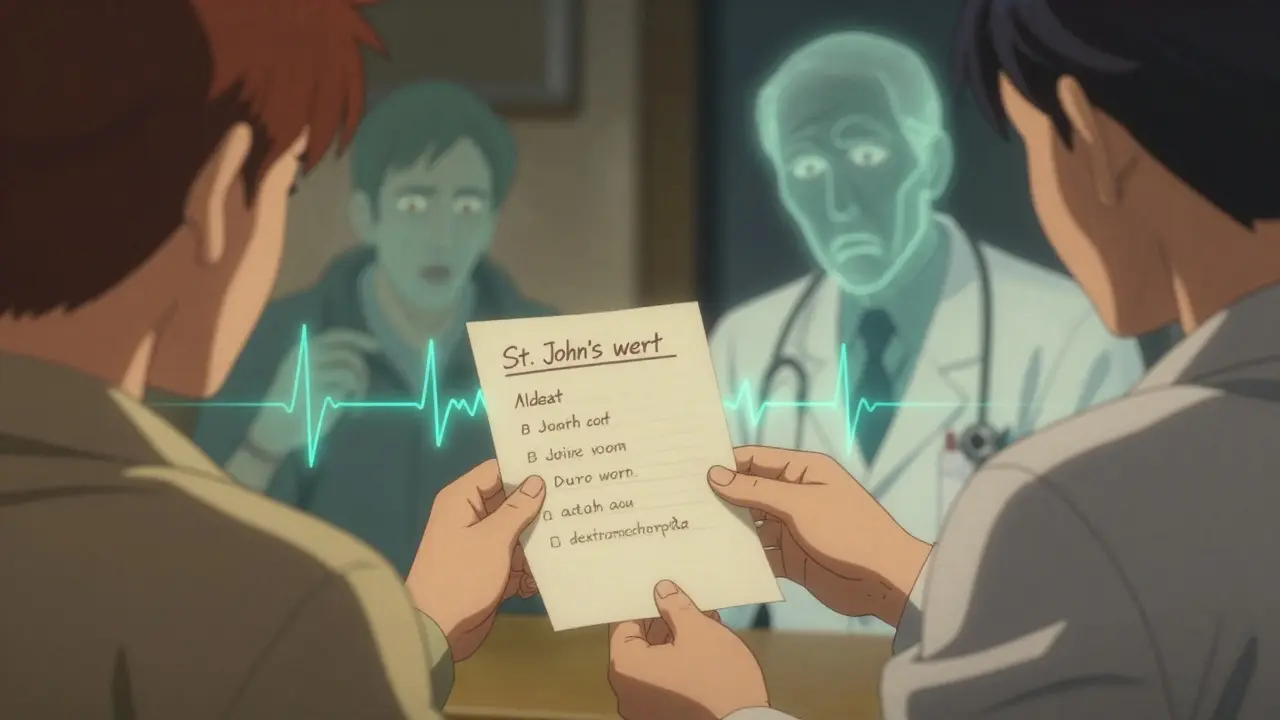
- Over-the-counter meds and supplements: St. John’s wort? It’s an SSRI. Ginkgo biloba? It increases bleeding risk with SSRIs. Even common cold medicines like dextromethorphan can trigger serotonin syndrome.
What Your Doctor Should Be Doing
Good psychiatric care isn’t just about writing prescriptions. It’s about monitoring. The American Association of Psychiatric Pharmacists recommends:- Baseline labs before starting new meds (liver enzymes, kidney function, electrolytes)
- Therapeutic drug monitoring for lithium, clozapine, and valproate
- Weekly INR checks if you’re on warfarin and an SSRI
- Monthly AIMS exams if you’re on long-term antipsychotics to catch movement disorders early
- Standardized tools like PHQ-9 and GAD-7 to track mood changes, not just symptoms
What You Can Do Right Now
You’re not powerless. Here’s what to do:- Make a full list: Write down every pill, patch, capsule, and herbal drop you take. Include vitamins, CBD, and occasional alcohol.
- Bring it to every appointment: Don’t assume your doctor remembers what you said last time. Hand them the list.
- Ask: “Could this interact with anything else I’m taking?” Don’t let them brush you off.
- Use a pharmacy app: Apps like Medscape or Epocrates let you scan your meds and flag interactions. Use them.
- Know your warning signs: If you feel unusually anxious, shaky, hot, or confused after starting something new-call your doctor today.
The Future Is Personalized
We’re moving beyond one-size-fits-all prescribing. Genetic testing for CYP2D6 and CYP2C19 enzymes can now tell you if you’re a slow or fast metabolizer. That means a standard dose of an SSRI might be too strong-or too weak-for you. The Clinical Pharmacogenetics Implementation Consortium (CPIC) updated its guidelines in 2022 to help doctors use this data. Some clinics in Canada and the U.S. are already offering it for patients on multiple psychiatric meds. Digital tools are catching up too. New AI systems can scan your entire medication history and flag risks before a prescription is even written. One study showed a 37% drop in serious interactions when these systems were used with clinician training. This isn’t sci-fi. It’s happening now.Bottom Line: Safety Isn’t Optional
Psychiatric medications save lives. But they can also end them-if used carelessly. The risk isn’t in taking multiple drugs. It’s in taking them without understanding how they interact. The most dangerous combination isn’t two pills. It’s silence. Silence from the patient. Silence from the provider. Silence from the system. Speak up. Ask questions. Keep a list. Trust your body. If something feels off, it probably is.Can I take ibuprofen with lithium?
No, not without close monitoring. Ibuprofen and other NSAIDs can increase lithium levels by 25-50%, pushing you into toxic territory. Lithium’s safe range is very narrow (0.6-1.0 mmol/L). Even a few days of regular ibuprofen use can cause dizziness, vomiting, tremors, or kidney damage. If you need pain relief, talk to your doctor about acetaminophen instead-or get your lithium level checked immediately if you’ve taken NSAIDs.
Is it safe to drink alcohol while on antidepressants?
It’s not recommended. Alcohol can worsen depression and anxiety over time. It also adds to the sedative effects of TCAs, some antipsychotics, and benzodiazepines, increasing dizziness, falls, and breathing problems. Even moderate drinking can interfere with how your liver processes meds like sertraline or fluoxetine. If you drink, be honest with your doctor. They can help you weigh the risks.
What’s serotonin syndrome, and how do I know if I have it?
Serotonin syndrome is a potentially deadly reaction caused by too much serotonin in your brain. Symptoms include agitation, rapid heart rate, high blood pressure, sweating, shivering, muscle rigidity, tremors, and confusion. In severe cases, you may have high fever, seizures, or lose consciousness. It usually starts within hours of adding a new drug or increasing a dose. If you’re on an SSRI, SNRI, MAOI, or certain opioids-and you develop these symptoms-go to the ER immediately. Don’t wait.
Can herbal supplements like St. John’s wort interact with my meds?
Yes, and dangerously so. St. John’s wort acts like an SSRI and can trigger serotonin syndrome when taken with antidepressants. It can also reduce the effectiveness of birth control, blood thinners, and some antivirals. Many people think “natural” means safe-but that’s not true. Always tell your doctor about every supplement you take, even if you think it’s harmless.
Why do some antidepressants cause more interactions than others?
It comes down to how they’re broken down in your liver. Some drugs, like fluvoxamine, strongly block the CYP450 enzymes that process other medications. That means those other drugs build up in your system and become toxic. Others, like sertraline or citalopram, have much weaker effects on these enzymes, so they’re less likely to interfere. Your doctor can choose a safer option based on your other meds.
Should I get genetic testing before starting psychiatric meds?
It’s not required, but it can be very helpful-if you’re on multiple medications or have had bad reactions before. Tests for CYP2D6 and CYP2C19 genes can show if you’re a slow or fast metabolizer. That helps your doctor pick the right drug and dose. Some clinics in Canada and the U.S. now offer this as part of standard care for complex cases. Ask your psychiatrist if it’s right for you.


12 Comments
So let me get this straight... we’re giving people brain-altering chemicals like they’re gummy vitamins, then acting shocked when someone turns into a human toaster? 🤯 I’ve seen folks on 5 meds and still think they’re ‘fine.’ Spoiler: they’re not. 🚨
I literally cried reading this. My sister almost died from serotonin syndrome after her doctor added tramadol to her SSRI. No one asked about OTC meds. No one checked. She was just told to 'give it time.' 😭 Please, please, please - speak up. Your life matters.
I appreciate the clarity here. It’s easy to feel lost in all the medical jargon, but you broke it down like a friend explaining it over coffee. Thanks for not talking down to people. We need more of this.
Ah yes, the great psychiatric industrial complex. We drug people into compliance, then blame them for not knowing that Advil + lithium = cardiac roulette. Meanwhile, the doctors are on a 7-minute visit schedule. 🤡 The system isn’t broken - it’s designed this way.
The pharmacokinetic modulation of CYP450 isoforms is a critical axis in polypharmacy risk stratification. When SSRIs with high inhibitory potency (e.g., fluvoxamine) intersect with substrates exhibiting narrow TI (e.g., lithium), the resultant pharmacodynamic amplification precipitates a non-linear adverse event trajectory. 🧬⚡
omg i had no idea st. johns wort was like an ssri?? i took it for like 2 years 😭 and i was on zoloft too... i feel so dumb but thank you for telling me this. i’m going to my dr tomorrow and bringing my whole list. 🙏
It is imperative that all patients, irrespective of socioeconomic status, be provided with comprehensive pharmacovigilance protocols prior to the initiation of any psychotropic regimen. Failure to adhere to such protocols constitutes a breach of ethical medical practice and may result in irreversible neurological consequences.
People who take supplements like it’s candy should be banned from using the word 'natural.' You think because it comes from a plant it’s safe? That’s how people die. St. John’s wort isn’t a tea - it’s a chemical grenade with a fruit label. Stop pretending herbal = harmless.
This made me feel seen. I’ve been on 4 meds for 8 years and every time I bring up side effects, I’m told it’s 'just adjustment.' But when I started sweating like I was in a sauna and couldn’t stop shaking? That wasn’t adjustment. That was a red flag I ignored because I didn’t want to be 'that patient.' I’m speaking up now.
The real tragedy isn’t the drug interactions - it’s that we’ve normalized the idea that your brain is a chemical soup you can just stir until it ‘works.’ We treat mental health like a software bug to be patched, not a living system to be understood. Maybe we need less prescribing and more listening.
I am from India and I want to say thank you. In my country, many doctors still think depression is just 'thinking too much.' This post is a gift. I will share it with my cousin who is on lithium and takes ibuprofen daily. He needs to know.
Honestly, this reads like a pamphlet from a medical school lecture. The real problem? Most prescribers don’t even know the half of it. And the ones who do? They’re too busy chasing insurance codes to care. This isn’t science - it’s administrative negligence with a side of pharmaceutical marketing.