
Imagine reaching for a coffee cup and having your hand shake so badly you spill it. Or trying to button a shirt, only to find your fingers feel like they are made of lead. For the roughly 10 million people worldwide living with Parkinson's disease is a progressive neurological disorder that affects movement, balance, and coordination due to the loss of dopamine-producing neurons in the brain, these are not just inconveniences; they are daily battles. You might wonder why a simple act becomes so difficult. The answer lies deep within your brain, specifically in a region called the substantia nigra, where cells responsible for producing dopamine is a neurotransmitter that helps regulate movement, reward, and motivation are slowly dying off.
By the time you notice the tremors or stiffness, about 60% to 80% of those dopamine-producing cells have already disappeared. This massive drop disrupts the smooth flow of signals between your brain and muscles. The result? Your movements become slow, stiff, and shaky. But here is the good news: while there is no cure yet, we have powerful tools to manage it. The core of modern treatment is dopamine replacement therapy is medical treatment aimed at restoring dopamine levels in the brain to improve motor function. It doesn't fix the root cause, but it keeps the gears turning long enough for you to live a full life.
The Core Symptoms: More Than Just Shaking
When people hear "Parkinson's," they often picture a shaking hand. That is true, but it is only one piece of the puzzle. The condition is defined by four main motor symptoms, and understanding them helps you recognize what is happening in your body.
- Resting Tremor: This is the classic "pill-rolling" tremor. It happens when your limb is relaxed, like when your arm is hanging by your side. It usually starts in one hand or foot and moves rhythmically at a frequency of 4 to 6 times per second. Interestingly, it often calms down when you move voluntarily or when you sleep, but stress can make it worse.
- Bradykinesia (Slowness): This is arguably the most defining feature. Movements become slower and smaller. Walking turns into short, shuffling steps. Writing gets smaller and harder to read (micrographia). Even blinking can become less frequent.
- Rigidity (Stiffness): Your muscles feel tight and resistant. Doctors describe this as "cogwheel" rigidity, meaning the muscle feels like it is catching or clicking as it moves. This stiffness can cause pain, especially in the back and neck, and makes simple tasks like dressing yourself incredibly frustrating.
- Postural Instability: Usually appearing later in the disease, this is a loss of balance. You might lean forward while walking or struggle to recover if someone bumps into you. This increases the risk of falls significantly.
These symptoms don't appear all at once. They creep in. One day, you realize your handwriting has changed. Another day, you notice your left arm isn't swinging naturally while walking. Because it is gradual, many people ignore early signs until the stiffness or tremor becomes impossible to hide.
How Dopamine Replacement Works
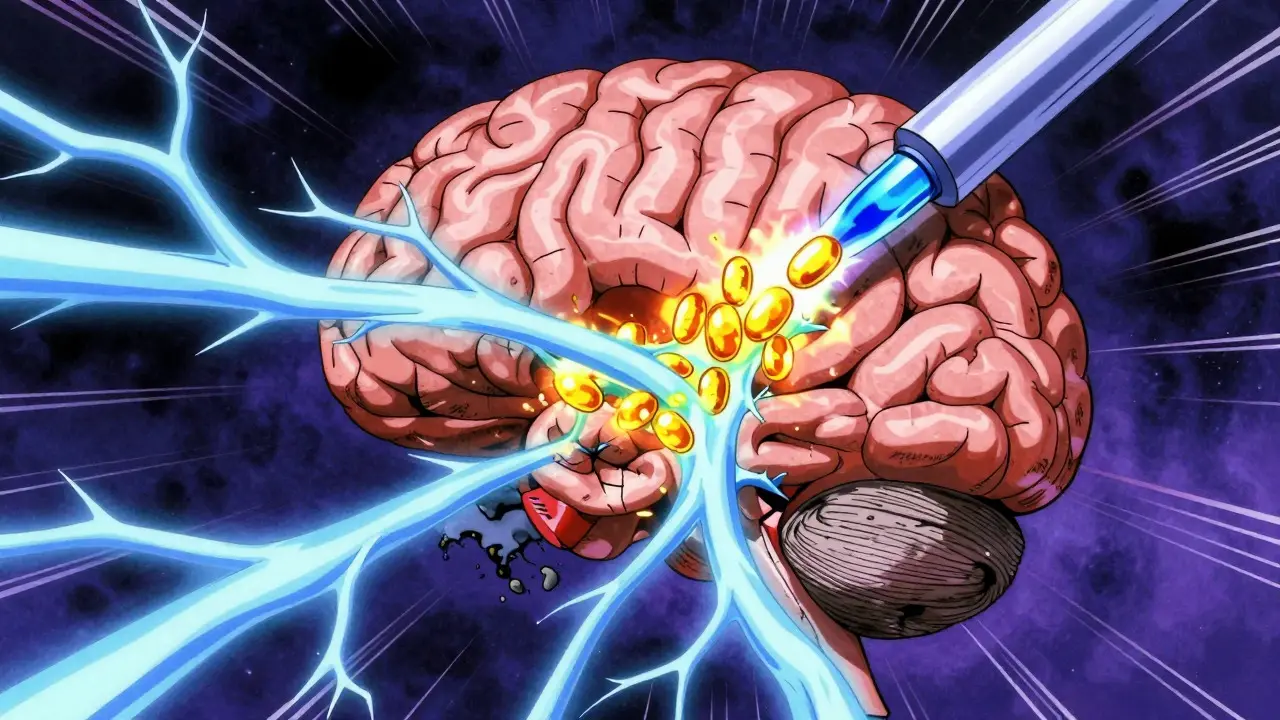
Since the problem is a lack of dopamine, the logical solution is to replace it. However, you can't just take dopamine pills because dopamine itself cannot cross the blood-brain barrier easily. So, doctors use a precursor called levodopa is the primary medication used to treat Parkinson's disease by converting into dopamine in the brain.
Levodopa travels through your bloodstream, crosses into your brain, and converts into dopamine exactly where it is needed. To make this process work efficiently and reduce side effects like nausea, levodopa is almost always combined with another drug called carbidopa is a medication that prevents levodopa from breaking down before it reaches the brain. Carbidopa blocks the conversion of levodopa to dopamine in the rest of your body, ensuring more of the drug makes it to your brain. This combination, often sold under brand names like Sinemet, has been the gold standard since the 1970s.
When you take this medication, you likely feel an immediate difference. Within 30 to 60 minutes, the stiffness eases, the tremor subsides, and movement becomes fluid again. This period is known as being "on." For many patients, this relief lasts for hours. However, as the disease progresses, the duration of this "on" time shrinks. This leads to a phenomenon called "wearing-off," where the medication stops working before it is time for your next dose. Suddenly, the symptoms return, leaving you feeling stiff and slow again until you take the next pill.
Navigating the Long-Term Challenges
While levodopa is incredibly effective initially, it comes with trade-offs over time. After five to ten years of use, about half of patients experience motor complications. The most common is dyskinesia, which involves involuntary, dance-like movements. These happen when the dopamine levels peak too high. It can be embarrassing and physically exhausting, but it is a sign that the medication is still working, just in a fluctuating way.
| Strategy | Mechanism | Effectiveness | Key Side Effects | Best For |
|---|---|---|---|---|
| Carbidopa/Levodopa | Converts to dopamine in brain | High (70%+ improvement) | Dyskinesias, wearing-off, nausea | Most patients, especially older adults |
| Dopamine Agonists (e.g., Pramipexole) | Directly stimulates dopamine receptors | Moderate (30-50% of Levodopa) | Impulse control disorders, hallucinations | Younger patients (<60) to delay Levodopa |
| Inhaled Levodopa (Inbrija) | Rapid absorption via lungs | Fast onset (10 mins) | Cough, throat irritation | Sudden "off" episodes |
To manage these fluctuations, doctors might adjust your dosage or switch strategies. For younger patients, doctors sometimes start with dopamine agonists is medications that mimic the effect of dopamine in the brain without being converted from levodopa like pramipexole or ropinirole first. These drugs stimulate dopamine receptors directly. They are slightly less effective than levodopa but carry a lower risk of causing dyskinesias early on. This allows you to delay starting levodopa, potentially postponing its long-term side effects.
As the disease advances, you might need combination therapy. Many patients end up taking both levodopa and agonists. Newer delivery methods are also emerging. Inhaled levodopa, for example, can rescue you during a sudden "off" episode within minutes. Subcutaneous infusions pump a continuous stream of levodopa into your body, smoothing out the peaks and valleys entirely. While these options are expensive and complex, they offer a lifeline for those whose oral medications no longer provide stable relief.

Practical Tips for Daily Management
Managing Parkinson's is not just about swallowing pills; it is about integrating medication into your daily routine. Here are some practical insights that can make a significant difference:
- Watch Your Protein Intake: Amino acids from protein compete with levodopa for absorption in the gut. If you eat a large steak right after taking your medication, you might get less benefit. Try to take your levodopa 30 minutes before meals or two hours after. Keep high-protein foods for dinner rather than lunch if you struggle with midday "off" periods.
- Be Consistent with Timing: Set alarms for your doses. Missing a dose or taking it late can trigger unpredictable fluctuations. Consistency is key to maintaining steady "on" time.
- Exercise Regularly: Movement is medicine. Aerobic exercise, strength training, and balance exercises like tai chi have been shown to slow progression and improve mood. Aim for at least 150 minutes of moderate activity per week.
- Communicate with Your Doctor: Keep a symptom diary. Note when you feel "on," when you feel "off," and any involuntary movements. This data helps your neurologist fine-tune your regimen far better than guessing does.
Caregivers play a huge role here. As the disease progresses, managing multiple doses throughout the day can become overwhelming. Having a support system ensures that doses are taken correctly and that warning signs of worsening symptoms are caught early.
Looking Ahead: What’s Next?
Research is moving fast. Scientists are looking at gene therapies that could restore dopamine production permanently. Biomarkers are being developed to predict how well you will respond to specific treatments, allowing for personalized medicine. For now, though, the focus remains on optimizing current therapies. The goal is not just to suppress symptoms, but to preserve quality of life, independence, and dignity.
If you or a loved one has been diagnosed, remember that Parkinson's is manageable. With the right combination of medication, lifestyle adjustments, and support, you can maintain an active and fulfilling life. The journey requires patience and vigilance, but the tools available today are more powerful than ever before.
Does levodopa cure Parkinson's disease?
No, levodopa does not cure Parkinson's disease. It is a symptomatic treatment that replaces the lost dopamine to improve movement. As the disease progresses, the effectiveness of levodopa may diminish, requiring dose adjustments or additional therapies.
Why do I feel dizzy after taking my Parkinson's medication?
Dizziness is a common side effect of dopamine replacement therapy, particularly when starting treatment or increasing doses. It is often related to a drop in blood pressure upon standing (orthostatic hypotension). Rising slowly from sitting or lying positions can help mitigate this effect.
Can I eat protein with my levodopa?
Yes, but timing matters. High-protein meals can interfere with levodopa absorption. It is generally recommended to take levodopa 30 minutes before eating or two hours after a meal. Many patients shift their highest protein intake to dinner to avoid daytime "off" episodes.
What is the difference between "on" and "off" periods?
"On" periods refer to times when medication is effective, and symptoms are controlled. "Off" periods occur when medication wears off before the next dose, causing symptoms like stiffness and tremor to return. Managing the transition between these states is a major focus of treatment.
Are dopamine agonists better than levodopa?
It depends on the patient. Levodopa is more effective for motor symptoms. Dopamine agonists are less potent but have a lower risk of causing dyskinesias. Doctors often use agonists for younger patients to delay the start of levodopa, while levodopa is preferred for older patients or those with severe symptoms.




Write a comment