
- What is it? Blood sugar levels falling below 70 mg/dL (3.9 mmol/L).
- Key Symptoms: Shaking, sweating, confusion, and heart palpitations.
- The Gold Standard Treatment: The "15-15 rule" (15g fast carbs, wait 15 minutes).
- Severe Cases: Require emergency glucagon if the person is unconscious.
- Prevention: Use Continuous Glucose Monitoring (CGM) and adjust insulin for exercise.
What exactly is hypoglycemia?
At its core, Hypoglycemia is a condition where blood glucose concentrations drop below a healthy range, depriving the brain and body of their primary fuel source. For most people with diabetes, the clinical red line is 70 mg/dL (3.9 mmol/L). If you don't have diabetes, your body usually keeps sugar levels steady, so a drop below 55 mg/dL is typically where symptoms kick in.
This isn't just a random occurrence. It usually happens because of an imbalance between your food intake, your activity level, and your medication. For instance, taking too much insulin is the leading cause of these drops, affecting over 70% of diabetic episodes. However, it can also happen to people without diabetes, such as those who have had bariatric surgery, which can cause food to move too quickly into the gut and trigger an overproduction of insulin.
Recognizing the warning signs
Your body sounds different alarms depending on how low your sugar goes. Experts divide these into two main categories: adrenergic and neuroglycopenic symptoms.
Adrenergic symptoms are your body's "fight or flight" response. When sugar drops, your body releases Epinephrine (adrenaline), which causes your heart to race (often over 100 beats per minute), your hands to shake, and your skin to get clammy. You might feel suddenly anxious or irritable for no apparent reason.
Neuroglycopenic symptoms happen when your brain literally starts starving for glucose. This is more dangerous. You might experience blurred vision, intense confusion, or difficulty speaking. As levels drop further-below 50 mg/dL-you risk seizures or losing consciousness entirely. The scary part? Some people develop "hypoglycemia unawareness," where they stop feeling the adrenaline warnings. This often happens to people who have lived with Type 1 diabetes for 15 years or more, making the situation much more volatile.
| Glucose Level (mg/dL) | Symptom Type | Common Experiences |
|---|---|---|
| 70 - 54 mg/dL | Level 1 (Mild) | Shaking, sweating, hunger, nervousness |
| 54 - 45 mg/dL | Level 2 (Moderate) | Confusion, blurred vision, slurred speech |
| Below 45 mg/dL | Level 3 (Severe) | Seizures, unconsciousness, coma |
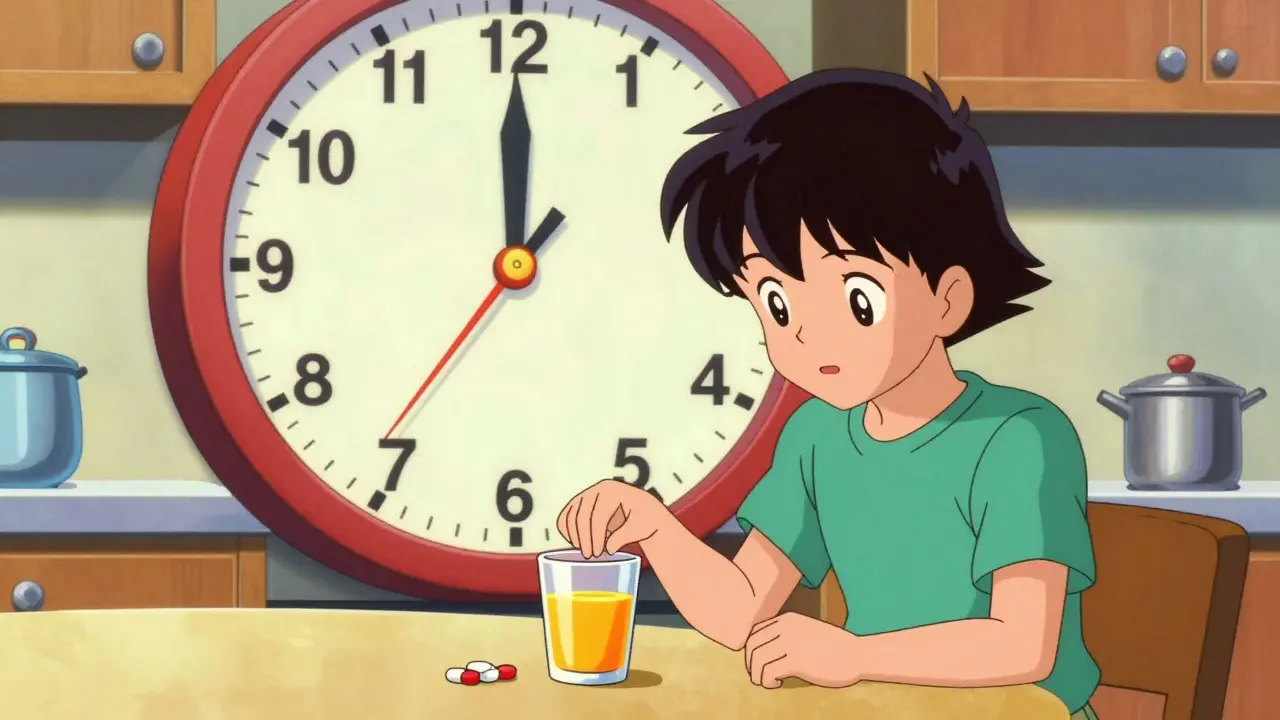
How to treat low blood sugar: The 15-15 Rule
When you feel a "hypo" coming on, you need fast-acting carbohydrates. This is where the hypoglycemia management strategy known as the 15-15 rule comes in. It is the most effective way to bring levels back up without causing a massive sugar spike that sends you swinging in the opposite direction.
- Eat 15 grams of fast-acting carbs: Think of things that enter the bloodstream quickly. Examples include 4 ounces of fruit juice, 1 tablespoon of honey, or 3-4 glucose tablets. Avoid chocolate or cookies here; the fat in them slows down the absorption of sugar.
- Wait 15 minutes: Your body needs time to process the sugar. Resist the urge to keep eating, or you'll end up with dangerously high blood sugar an hour later.
- Check your levels: If your sugar is still below 70 mg/dL, repeat the process.
But what happens if the person is unconscious? You cannot put food or liquid in the mouth of an unconscious person because they could choke. In these cases, you need Glucagon, a hormone that tells the liver to release stored glucose into the bloodstream. Modern options like nasal powder versions are now available and are often faster and easier for bystanders to administer than the old injectable kits.
Preventing future episodes
Treatment is about survival; prevention is about quality of life. No one wants to spend their night waking up from nightmares caused by "hypnoxia" (low-sugar induced bad dreams). The goal is to stabilize your baseline.
First, look at your timing. Many people experience drops because they miscalculate their carbohydrate intake relative to their insulin dose. A good rule of thumb is to adjust your insulin based on the specific carbs you're eating, especially if you're planning a meal that might be delayed.
Exercise is another common trigger. Physical activity makes your muscles more sensitive to insulin, which can cause your levels to plummet during or after a workout. If you're planning a session longer than 45 minutes, consider reducing your basal insulin by 20% to 50% or eating a small snack before you start.
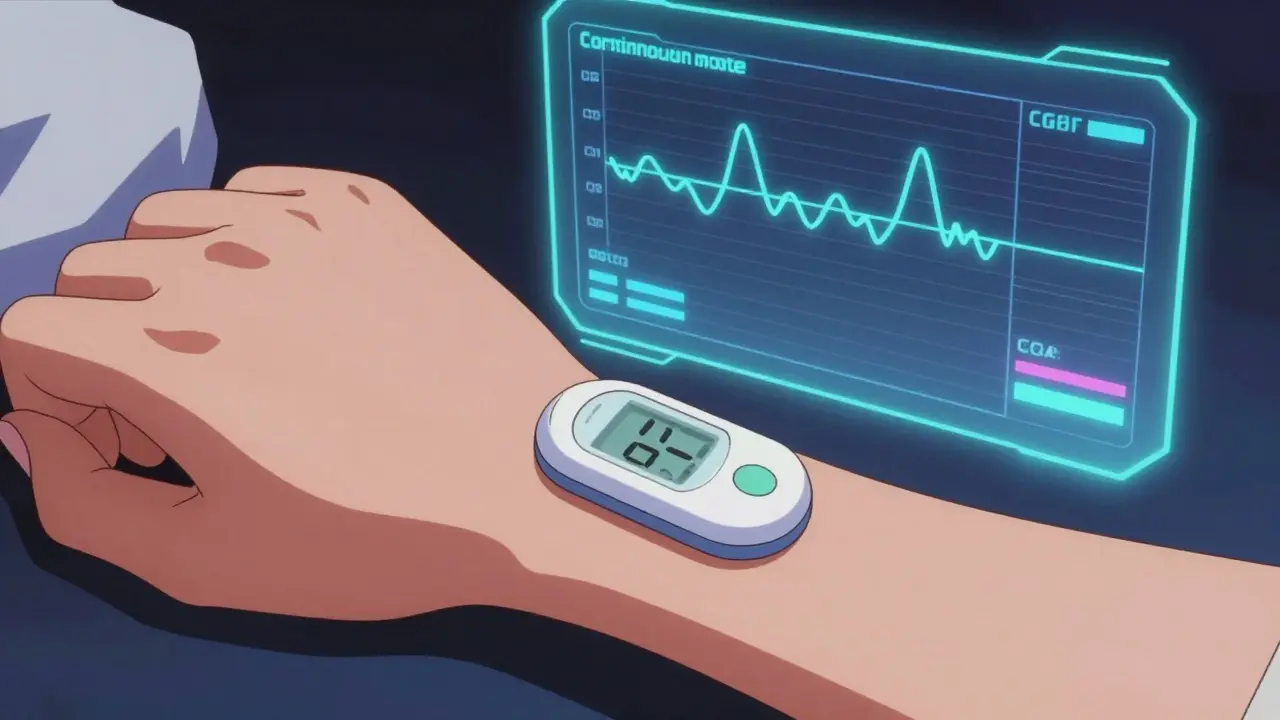
Technology has changed the game here. Continuous Glucose Monitoring (CGM) is a wearable device that tracks glucose levels in real-time and alerts users when they cross a certain threshold. Some advanced systems can even tell your insulin pump to stop delivering insulin automatically if it predicts you'll hit 55 mg/dL within the next half hour.
The hidden risks of repeated lows
Some people treat low blood sugar as a routine part of diabetes, but repeated severe episodes take a toll on the brain. Research shows that in older adults, each severe hypoglycemic event can increase the risk of dementia by nearly 5%. This happens because the brain is repeatedly starved of energy, which can lead to permanent cognitive decline.
There is also the risk of cardiovascular stress. A severe drop in sugar puts an immense amount of pressure on the heart due to the rush of adrenaline, which can increase the risk of heart-related events. This is why the goal isn't just to "get back to normal," but to avoid the drop entirely.
Can you have low blood sugar if you don't have diabetes?
Yes. This is often called reactive hypoglycemia, where blood sugar drops 2 to 4 hours after a meal. It can be caused by an overproduction of insulin or, in some cases, a rare tumor called an insulinoma. If you experience these symptoms without diabetes, you should see a doctor to rule out organ failure or metabolic issues.
What is the difference between a "sugar crash" and hypoglycemia?
A typical "sugar crash" is a dip in blood sugar after eating a high-carb meal, but it rarely drops below the clinical threshold of 70 mg/dL. Clinical hypoglycemia is a medical state where levels are low enough to cause neurological impairment and requires immediate treatment to prevent loss of consciousness.
Why does my CGM sometimes show a higher number than my finger-stick meter during a low?
This is known as sensor lag. CGMs measure glucose in the interstitial fluid (the fluid between cells), not the blood itself. When your sugar is dropping rapidly, the blood glucose falls first, and the interstitial fluid catches up a few minutes later. Always trust a finger-stick meter if you feel low but the CGM says you're fine.
Is juice better than candy for treating a low?
Liquids like orange juice or regular soda generally absorb faster than solid candies. However, the most important factor is the amount of fast-acting carbohydrates (15g). Glucose tablets are often the best choice because they are precisely measured and don't contain fats that slow down absorption.
What should I do if I experience nighttime lows?
Nighttime hypoglycemia is particularly dangerous because you might sleep through the warning signs. Strategies include eating a protein-rich snack before bed, using a CGM with loud alarms, or adjusting your evening basal insulin dose under a doctor's guidance.
What to do next
If you've had a severe episode recently, don't just ignore it. Keep a log of what you were doing, what you ate, and your activity level for the four hours leading up to the drop. This data is gold for your endocrinologist; it helps them figure out if your insulin dose is too high or if your timing is off.
For caregivers, the best thing you can do is get hands-on training with a glucagon kit. Knowing how to administer it without panicking can save a life in the 15-minute window before someone becomes unresponsive. If you're the one managing the condition, consider talking to your doctor about a predictive low-glucose suspend system if your current CGM isn't cutting it.


12 Comments
Dealing with these swings is a real mental battle. It's not just about the numbers on a screen, it's about the fear that comes with it. Be kind to yourselves when you're crashing, the irritability is just the chemistry talking.
I really appreciate the mention of nighttime lows... they are just the absolute worst!!! 😱 I always have a high-protein snack before bed now, and it's made such a huge difference in my sleep quality!!
Total agreement on the 15-15 rule for managing glycemic excursions. Using a high-glycemic index source ensures rapid absorption and minimizes the risk of a subsequent hyperglycemic overshoot :)
Omg I can't even imagine the sheer terror of losing consciousness in a work meeting 😭 like my anxiety is literally through the roof just thinking about it 😫 and the fact that it can happen so fast in only 20 minutes is just absolutely traumatizing to contemplate honestly 💔
Funny how we trust these "smart" devices. Probably just a way for companies to track our biological data in real-time for some deeper purpose. I'll stick to my manual checks.
big pharma loves the cgm subscriptions
Most people are too lazy to actually log their data for their doctors. If you want better results, stop complaining and start tracking your macros and insulin timing with some actual discipline. It's not rocket science, it's basic accountability.
USA made glucagon kits are the best in the world 🇺🇸💪 dont let anyone tell u differnt!!’s way easier to use than that stuff from overseas 🦅✨
I remember this one time, oh my goodness, I was walking through the park in the middle of a beautiful autumn afternoon and suddenly the world just started spinning and I felt this rush of adrenaline that was so incredibly intense it felt like I was in a movie scene where the protagonist is about to faint from a shock, and I just had to lean against a tree for ten minutes while I fumbled with my juice box in the most dramatic fashion imaginable!
It is an absolute tragedy that such basic medical knowledge is not mandated in every school curriculum across the globe. This is a failure of the educational system to protect its citizens from preventable emergencies.
Typical western obsession with simple lists 🙄 we have much more holistic ways of managing balance in the east that you people just ignore 🇮🇳👑🤡
I'm just so sick of people acting like this is some new discovery when we've been dealing with health crises for years while the government does nothing to lower the price of insulin in this country!