QT Prolongation Risk Estimator
Estimated QTc Increase
above baseline
Minimal impact expected.
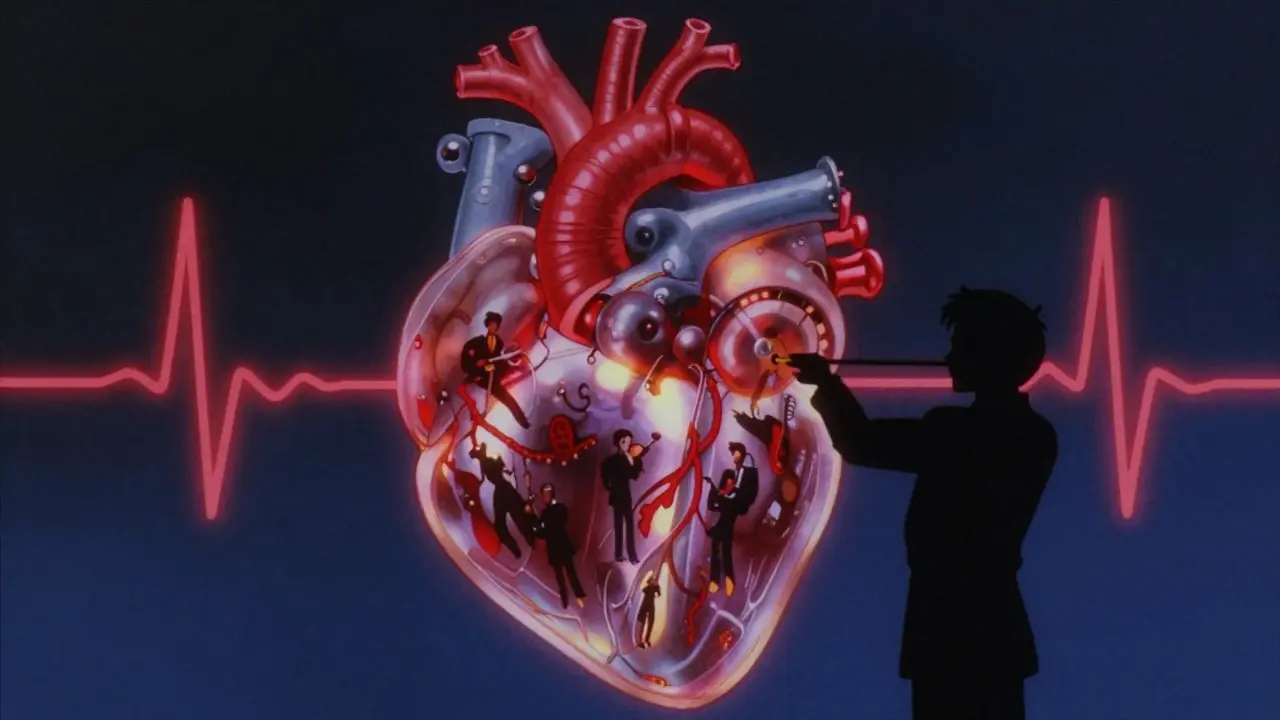
Imagine your heart’s electrical system is a symphony orchestra. The conductor ensures every instrument plays in perfect time. Now, imagine two different musicians start playing out of sync, dragging the tempo down until the music collapses into chaos. This is essentially what happens during QT interval prolongation, a condition where the heart's repolarization phase extends beyond normal limits. When this delay becomes severe, it can trigger torsades de pointes (TdP), a life-threatening ventricular arrhythmia that can lead to sudden cardiac death.
The real danger often isn’t just one medication causing this delay-it’s the combination. You might be taking an antipsychotic for mental health stability, but if you also take certain antibiotics, antidepressants, or anti-nausea drugs, the risk doesn’t just add up; it multiplies. In fact, recent data shows that nearly half of patients on antipsychotics are prescribed at least one other drug that affects heart rhythm. Understanding how these medications interact is not just academic-it’s a matter of survival.
Understanding the Mechanism: How Drugs Affect Heart Rhythm
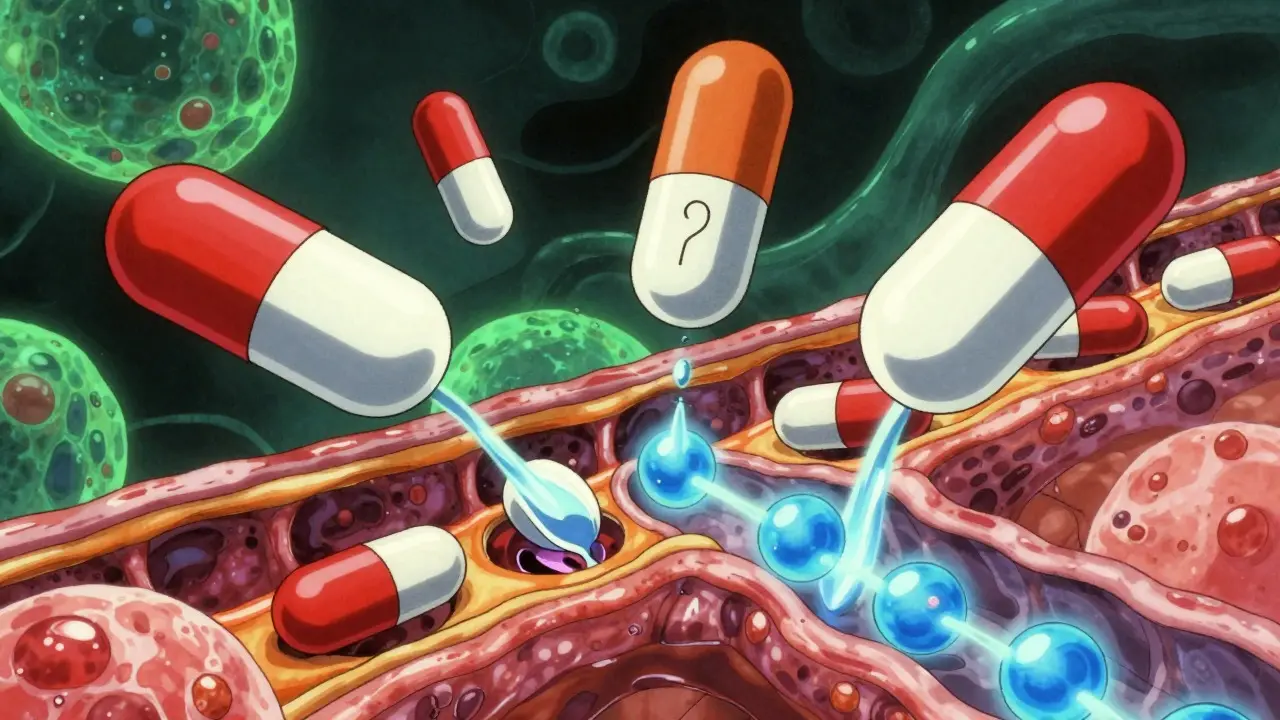
To grasp why this interaction is so dangerous, we need to look at the cellular level. The heart beats because of electrical signals that tell muscle cells to contract and then relax. The relaxation phase is called repolarization. A specific protein channel in heart cells, known as the hERG potassium channel, acts like a gatekeeper, allowing potassium ions to flow out of the cell to reset the electrical charge for the next beat.
Many antipsychotic medications work by blocking dopamine receptors in the brain, but they have a side effect: they also block the hERG channels in the heart. Think of it like clogging a drain. If the drain is partially blocked, water flows slower. If you add another substance that also clogs the drain, the flow slows down significantly. This delay in repolarization is measured on an electrocardiogram (ECG) as the QT interval.
When multiple drugs block these channels simultaneously, the delay becomes critical. The heart muscle stays contracted too long, creating an electrical instability. This sets the stage for TdP, where the heart quivers instead of pumping blood effectively. The primary mechanism here is pharmacodynamic synergy-meaning the drugs amplify each other’s effect on the same biological target, rather than just competing for metabolism in the liver.
Risk Stratification: Not All Antipsychotics Are Equal
One of the biggest misconceptions is that all antipsychotics carry the same cardiac risk. They do not. The potency with which a drug blocks the hERG channel varies wildly between medications. Clinicians use the IC50 value-a measure of how much drug is needed to block 50% of the channels-to categorize risk. A lower IC50 means higher potency and higher risk.
| Risk Level | Medications | IC50 Value (μM) | Clinical Implication |
|---|---|---|---|
| High Risk | Thioridazine, Ziprasidone, Haloperidol | < 1.0 μM | Significant QTc prolongation; requires strict monitoring |
| Moderate Risk | Quetiapine, Risperidone, Olanzapine | 1.0 - 10.0 μM | Mild to moderate prolongation; caution with combinations |
| Low Risk | Aripiprazole, Brexpiprazole, Lurasidone | > 10.0 μM | Minimal QTc effect; safer for polypharmacy scenarios |
For example, thioridazine has an IC50 of 0.04 μM, making it extremely potent at blocking hERG channels. It was actually withdrawn from the US market in 2005 due to these risks, though it remains available elsewhere. On the other end of the spectrum, aripiprazole has an IC50 of 11.7 μM, meaning it has very little effect on heart rhythm even at high doses. Choosing a low-risk agent like brexpiprazole or lurasidone can be a game-changer for patients who need concurrent treatment with other QT-prolonging drugs.
The Multiplier Effect: Dangerous Drug Combinations
The danger spikes when you combine antipsychotics with other classes of medications that also affect the QT interval. It’s not just about the antipsychotic itself. Common culprits include:
- Fluoroquinolone Antibiotics: Drugs like moxifloxacin and ciprofloxacin are frequently prescribed for infections. Moxifloxacin, in particular, has significant hERG-blocking properties.
- Anti-emetics: Ondansetron is widely used for nausea but carries a black box warning for QT prolongation. Combining it with quetiapine or risperidone creates a volatile mix.
- Tricyclic Antidepressants: Older antidepressants like amitriptyline also block potassium channels, adding to the burden.
- Antiarrhythmics: Ironically, drugs used to treat irregular heartbeats, such as sotalol, can worsen the problem when mixed with antipsychotics.
Research from the University of Michigan’s 2022 meta-analysis highlighted this starkly. Patients taking an antipsychotic plus an antiemetic like ondansetron saw their QTc interval increase by an average of 38.7 milliseconds. In contrast, those on the antipsychotic alone only saw an increase of 22.4 milliseconds. That extra 16 milliseconds might sound small, but in cardiac electrophysiology, it pushes many patients over the threshold into danger territory, especially if their baseline QTc was already borderline.
Another study published in JAMA Internal Medicine found that combining an antipsychotic with an antidepressant increased the risk of TdP by 4.3 times compared to using the antipsychotic alone. This isn't additive; it's exponential. The heart’s electrical system becomes hypersensitive, and minor fluctuations can trigger a fatal arrhythmia.
Identifying High-Risk Patient Profiles
Even with careful medication selection, some patients are inherently more vulnerable. Age, sex, and underlying health conditions play massive roles. If you’re prescribing or managing these therapies, you need to screen for these red flags before starting treatment.
Female Sex: Women naturally have longer QT intervals than men. On average, female sex adds about 12.8 milliseconds to the QTc. This makes them statistically more prone to drug-induced TdP.
Advanced Age: Aging hearts undergo structural changes that slow conduction. Patients over 65 see an additional 15.3 milliseconds added to their QTc purely due to age-related physiology.
Electrolyte Imbalances: This is perhaps the most preventable risk factor. Low potassium (hypokalemia < 3.5 mmol/L) can add up to 22.7 milliseconds to the QTc. Magnesium deficiency does the same. Many patients on diuretics for hypertension or heart failure are chronically low in these electrolytes, creating a perfect storm when combined with antipsychotics.
Bradycardia: A slow heart rate (< 50 bpm) allows more time for repolarization to occur, but it also increases the likelihood of early afterdepolarizations-the electrical glitches that spark TdP. Bradycardia can add 18.4 milliseconds to the QTc.
If a patient has two or more of these factors, the margin for error shrinks dramatically. A combination that might be safe for a healthy 30-year-old male could be fatal for a 70-year-old woman with mild kidney disease.
Monitoring Protocols: What Guidelines Actually Say
So, how do we keep patients safe? The American Heart Association (AHA) and American Psychiatric Association (APA) have updated their guidelines to reflect the reality of polypharmacy. The old approach of “just check once” is no longer sufficient.
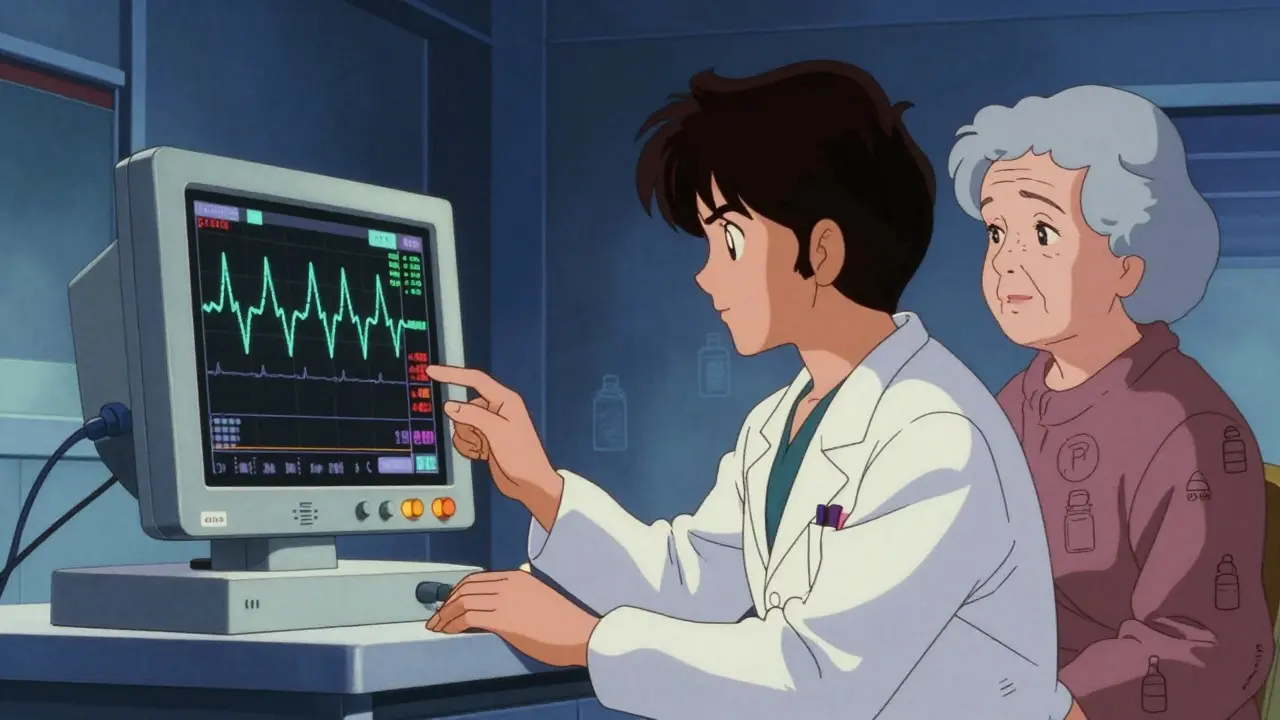
- Baseline ECG: Every patient starting a moderate- or high-risk antipsychotic needs a baseline ECG within one week of initiation. This establishes their starting QTc. Normal values are defined as less than 440 ms for males and less than 460 ms for females.
- Frequent Early Monitoring: For high-risk combinations (e.g., ziprasidone plus moxifloxacin), weekly ECGs are required for the first month. This is crucial because 78% of TdP cases occur within the first 72 hours of starting combination therapy.
- Ongoing Surveillance: After the first month, monthly ECGs are recommended for high-risk combos, while quarterly checks suffice for moderate-risk monotherapy.
- Electrolyte Management: Check potassium and magnesium levels regularly. Keep potassium above 4.0 mmol/L and magnesium above 2.0 mg/dL in high-risk patients. Replacing these electrolytes proactively prevents 82% of TdP cases in polypharmacy scenarios.
Technology is also stepping in. The FDA approved digital ECG patches like the Zio XT in May 2024 specifically for psychiatric medication monitoring. These patches can wear continuously for up to 14 days, capturing intermittent QTc prolongations that a single clinic ECG might miss. Studies show these devices have 98.7% sensitivity for detecting QTc intervals exceeding 500 ms, the threshold where TdP risk skyrockets.
Clinical Decision Making: Alternatives and Adjustments
When you identify a risky combination, you don’t always have to stop the necessary psychiatric medication. Instead, consider these strategies:
- Switch to Low-Risk Agents: If a patient is on quetiapine and needs an antibiotic, switching to aripiprazole or lurasidone can drastically reduce cardiac strain without compromising mental health outcomes.
- Timing Separation: While this doesn’t eliminate pharmacodynamic synergy, staggering doses can sometimes help manage peak plasma concentrations, though this is less effective for hERG blockade than metabolic interactions.
- Use Non-QT Prolonging Alternatives: For nausea, consider metoclopramide (with caution for extrapyramidal symptoms) or prochlorperazine alternatives that don’t affect hERG. For infections, choose beta-lactam antibiotics like amoxicillin or cephalosporins, which have negligible QT effects.
- Dose Reduction: Lowering the dose of the antipsychotic may reduce hERG blockade, provided it remains therapeutic for the psychiatric condition.
Dr. Christopher Celano from Massachusetts General Hospital notes that systematic therapeutic drug monitoring reduces TdP risk by 67% in high-risk patients. The key is consistency. Don’t wait for symptoms. Palpitations, dizziness, or fainting are late signs. By then, the arrhythmia may have already started.
Future Directions and Personalized Medicine
We are moving toward a more personalized approach. Genetic testing is becoming more accessible. The CYP2D6 enzyme metabolizes many antipsychotics. About 7-10% of Caucasians are “poor metabolizers,” meaning they process these drugs slowly, leading to higher plasma concentrations and greater hERG blockade. A pharmacogenetic test panel launching in 2026 will help identify these patients before prescribing.
Additionally, new risk calculators incorporating polypharmacy effects are being validated. These tools weigh age, sex, electrolytes, and specific drug combinations to provide a numerical risk score. This moves us away from guesswork and toward precision medicine.
The goal isn’t to fear antipsychotics-they save lives by stabilizing severe mental illness. The goal is to respect their power and manage their risks intelligently. By understanding the hERG channel, recognizing high-risk combinations, and adhering to rigorous monitoring protocols, clinicians can protect their patients’ hearts while treating their minds.
What is the safest antipsychotic regarding heart rhythm?
Aripiprazole, brexpiprazole, and lurasidone are considered low-risk options. They have high IC50 values (>10 μM) for hERG channel blockade, meaning they have minimal effect on the QT interval even at standard therapeutic doses. These are preferred choices for patients requiring concurrent QT-prolonging medications.
How quickly can drug interactions cause QT prolongation?
The risk is highest immediately after starting or increasing doses. Data indicates that 78% of torsades de pointes cases occur within the first 72 hours of initiating combination therapy. This is why baseline and early follow-up ECGs are critical.
Do electrolyte levels really impact QT interval this much?
Yes. Hypokalemia (low potassium) can add up to 22.7 milliseconds to the QTc interval. Since many TdP events are triggered by minor electrical instabilities, maintaining potassium above 4.0 mmol/L and magnesium above 2.0 mg/dL is a proven preventive strategy, reducing TdP risk by 82% in high-risk polypharmacy patients.
Is it safe to take ondansetron with quetiapine?
It requires caution. Both drugs prolong the QT interval. Studies show this combination increases QTc by nearly 39 milliseconds on average. If this combination is necessary, baseline and frequent ECG monitoring, along with electrolyte management, is essential. Consider non-QT-prolonging anti-emetics if possible.
What QTc value is considered dangerous?
A QTc greater than 500 milliseconds is considered highly dangerous, increasing the risk of torsades de pointes by 5.3 times. However, any increase of more than 60 milliseconds from baseline is clinically significant and warrants intervention, such as dose reduction or medication change.


Write a comment