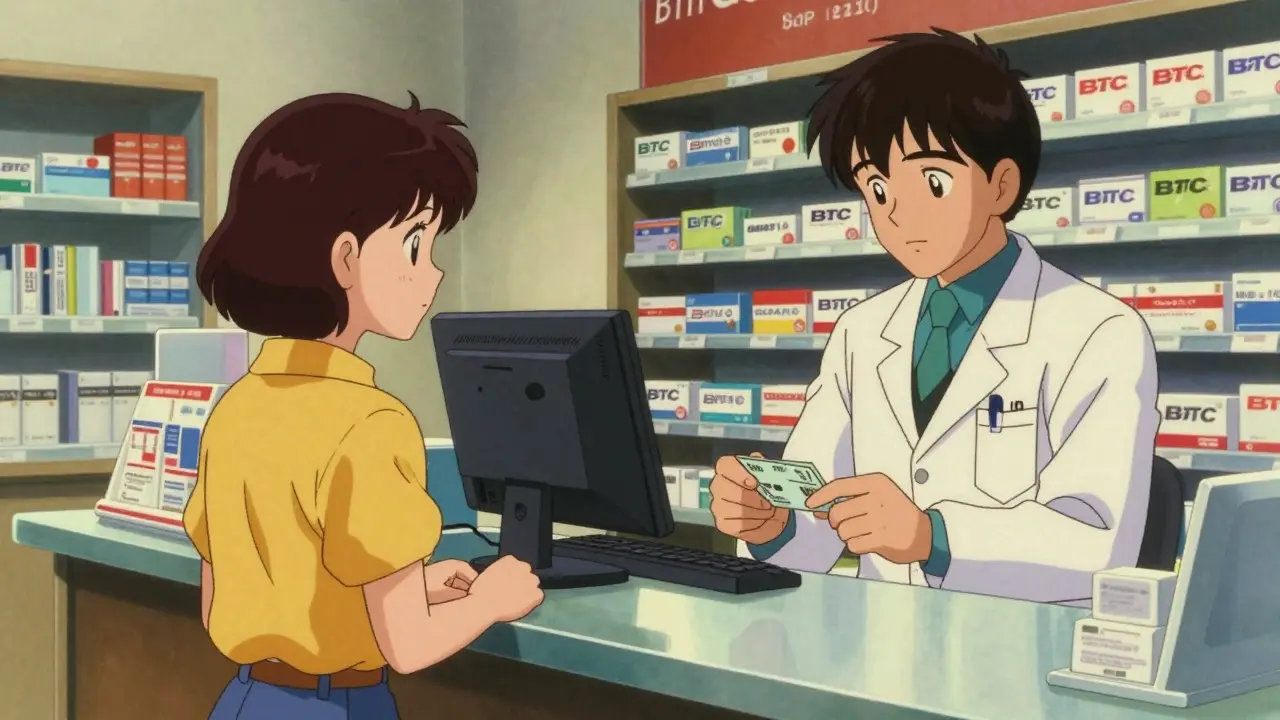
Have you ever walked into a pharmacy for a simple cold remedy, only to be told you need to wait behind the counter while a pharmacist checks your ID? It feels like a hurdle, doesn't it? You didn’t get a prescription from a doctor, yet you can’t just grab the box off the shelf. This is the world of behind-the-counter (BTC) medications, which are drugs that sit in a unique regulatory category between standard over-the-counter products and strict prescription-only medicines.
BTC medications represent a "third class" of drugs. They don’t require a physician’s signature, but they do demand professional oversight. Understanding this category isn’t just about navigating store aisles; it’s about knowing how regulations protect public health while ensuring you still have access to essential treatments. Whether you’re looking for powerful decongestants, emergency contraception, or insulin, these rules affect millions of Americans every year.
What Exactly Is a Behind-the-Counter Medication?
To understand BTC drugs, you first need to look at the traditional binary system we’ve had for decades. Historically, medications fell into two buckets: Prescription Only Medications (POM), which you absolutely cannot buy without a doctor’s order, and General Sales List (GSL) or standard Over-the-Counter (OTC) drugs, which you can pick up anywhere-from Walmart to gas stations-without talking to anyone.
BTC medications break this mold. They are stored physically behind the pharmacy counter. To buy them, you must speak directly with a licensed pharmacist. However, unlike prescriptions, you do not need a prior diagnosis or a written script from a doctor. The pharmacist acts as the gatekeeper, assessing whether the medication is appropriate for your specific symptoms and medical history.
This model emerged formally in the United States following the Combat Methamphetamine Epidemic Act of 2005, which legislated stricter controls on precursor chemicals used in illicit drug manufacturing. While the act specifically targeted pseudoephedrine, it created a framework that regulators and pharmacists now apply to other intermediate-risk drugs. As of 2023, there are approximately 15 to 20 commonly recognized BTC medications, representing about 3% of all OTC sales. These aren’t obscure niche products; they include some of the most widely used medicines in American households.
The Most Common Behind-the-Counter Drugs
You likely encounter BTC medications more often than you realize. Here are the primary categories that define this segment:
- Pseudoephedrine Products: Brands like Sudafed, Allegra-D, and Claritin-D contain pseudoephedrine, a potent decongestant. Because pseudoephedrine can be chemically diverted to make methamphetamine, these products are strictly regulated. A typical tablet contains 30-60mg of the active ingredient.
- Emergency Contraceptives: Plan B One-Step and similar generics became available behind-the-counter for customers aged 17 and older in 2013. Before this, age restrictions were tighter, and access was more limited. Now, you need ID to prove your age, but no prescription.
- Certain Insulins: Regular insulin (Humulin R) and NPH insulin (Novolin N) are available without a prescription at major retailers like Walmart under their ReliOn brand. Prices hover around $25-$40 per 10mL vial. Note that newer analog insulins like NovoLog still require prescriptions.
- Codeine Cough Syrups (State Dependent): In some states like Oregon and Mississippi, low-dose codeine products (up to 12.8mg per tablet) remain behind-the-counter. Most other states now require prescriptions for any codeine-containing product.
Each of these serves a critical need but carries risks that justify pharmacist involvement. For instance, pseudoephedrine is significantly more effective than phenylephrine-the common OTC alternative found on open shelves. Clinical studies show pseudoephedrine provides relief for 72% of users with nasal congestion, compared to just 38% for phenylephrine. That efficacy comes with the responsibility of restricted access.
Why Do These Restrictions Exist?
The logic behind BTC restrictions boils down to balancing accessibility with safety. Regulators want to ensure people can get the medicine they need quickly, especially in urgent situations, but they also want to prevent misuse, abuse, or dangerous interactions.
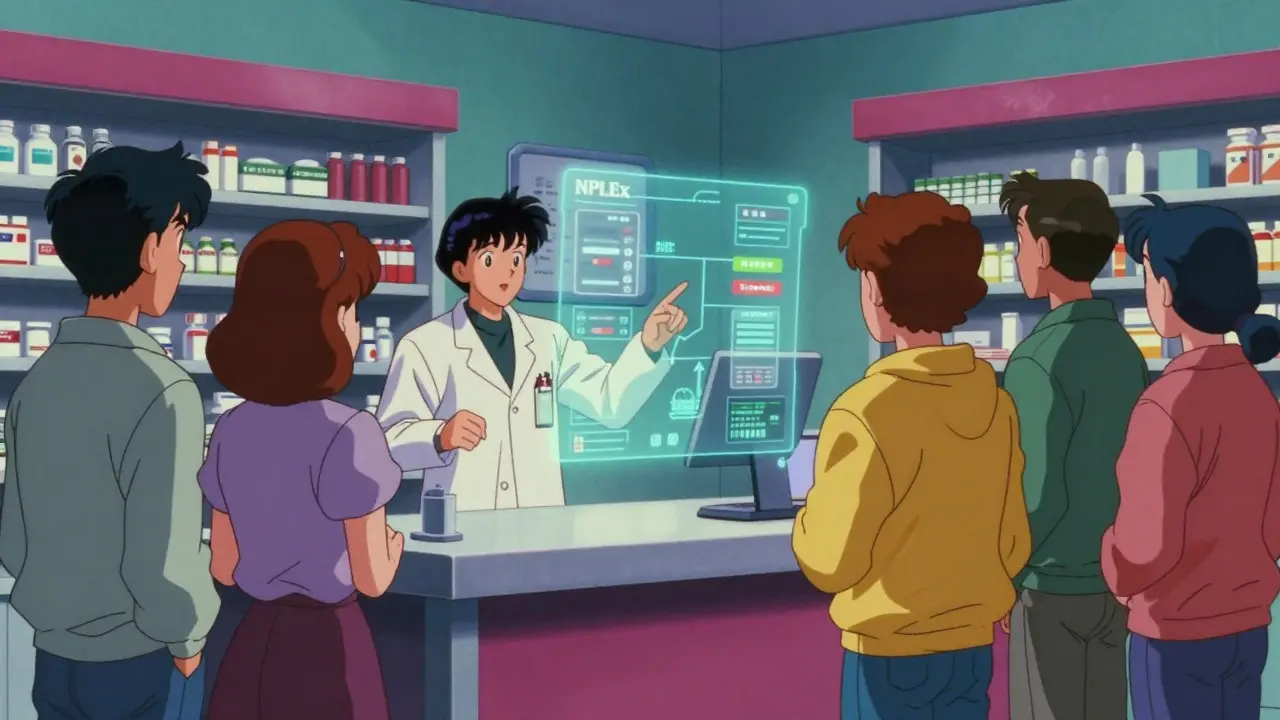
Take pseudoephedrine again. The federal government imposed purchase limits to curb the production of illicit methamphetamine. Under current laws, you can buy a maximum of 3.6 grams per day and 9 grams within a 30-day period. Your purchase is logged electronically through systems like NPLEx (National Precursor Log Exchange), which tracks sales of precursor chemicals across participating pharmacies to detect diversion patterns. This system operates in 45 states as of 2023.
For emergency contraceptives, the goal is different. The FDA ruled that moving Plan B behind the counter would increase access for teenagers who might otherwise face barriers to obtaining abortion pills or waiting for a clinic appointment. Data supports this approach: teen pregnancy rates declined by 46% between 2007 and 2017, partly due to improved access to timely contraception. The pharmacist’s role here is to verify age and provide counseling, ensuring the user understands how to use the medication effectively-it works best when taken within 72 hours of unprotected sex, with an 89% effectiveness rate in that window.
However, experts debate the efficacy of these restrictions. Dr. Aaron Kesselheim of Harvard Medical School argued in a 2022 JAMA Internal Medicine analysis that BTC restrictions on pseudoephedrine create unnecessary hurdles for legitimate users without significantly reducing meth production, as illicit manufacturers have shifted to alternative precursors. Conversely, Dr. John Santa of Consumer Reports Health Ratings Center argues that the BTC model strikes the right balance for moderate-risk drugs, ensuring professional guidance without the delay of a doctor’s visit.
How to Buy Behind-the-Counter Medications
If you’re new to buying BTC meds, the process is straightforward but requires preparation. Here is what you need to expect:
- Bring Government-Issued ID: You will need a driver’s license, state ID, or passport. Pharmacies are required to record your name, address, and date of birth for tracking purposes, especially for pseudoephedrine.
- Expect a Consultation: Unlike grabbing a box off the shelf, you’ll walk up to the counter. The pharmacist will ask why you need the medication. Be honest. They aren’t judging you; they’re checking for contraindications. For example, if you have high blood pressure, pseudoephedrine could be dangerous.
- Understand Quantity Limits: You won’t be able to buy a month’s supply of Sudafed in one go. Stick to the daily and monthly caps. If you travel frequently, remember that limits reset based on the tracking system, not your personal memory.
- Allow Extra Time: A BTC transaction takes longer than a standard OTC purchase. First-time buyers typically spend 5-7 minutes in consultation. During flu season, lines can be long.
Documentation matters too. Manufacturer materials for BTC products vary in clarity. Pseudoephedrine guides score an average of 3.2 out of 5 stars for comprehensibility, while emergency contraceptive materials score higher at 4.1 out of 5. Don’t hesitate to ask the pharmacist to explain the instructions if the leaflet is confusing.
Pros and Cons of the BTC Model
No system is perfect. The BTC model offers distinct advantages but also introduces friction that can frustrate consumers.
| Feature | Behind-the-Counter (BTC) | Standard OTC |
|---|---|---|
| Access Requirement | Pharmacist consultation + ID | None (self-selection) |
| Prescription Needed? | No | No |
| Purchase Limits | Strict (e.g., 3.6g/day for pseudoephedrine) | Generally none |
| Convenience | Lower (must visit pharmacy, wait in line) | Higher (available in supermarkets, gas stations) |
| Safety Oversight | High (professional screening) | Low (consumer self-assessment) |
| Cost | Variable (often higher due to handling fees) | Competitive (mass market pricing) |
The biggest advantage of BTC is safety without bureaucracy. You get expert advice instantly. If you’re unsure if a drug interacts with your current medications, the pharmacist catches it before you buy it. This is crucial for drugs like insulin or strong decongestants.
The downside is convenience and consistency. State regulations vary wildly. Oregon limits pseudoephedrine to 7.5 grams monthly, while Texas allows 9 grams. Travelers often find themselves confused by these patchwork rules. Additionally, rural areas suffer. About 60 million Americans live more than 10 miles from a pharmacy. For them, the requirement to drive to a specific location just to talk to a pharmacist is a significant barrier. Urban areas account for 68% of BTC purchases, highlighting this geographic disparity.
There’s also the issue of "pharmacist gatekeeping." A 2022 study in the American Journal of Public Health found that 18% of customers seeking emergency contraceptives experienced refusal or delay from pharmacists, despite legal requirements to sell them. This creates anxiety and uncertainty for patients who need immediate care.
Future Trends and Expansion
The BTC category is growing. The U.S. OTC drug market is valued at $120 billion, and the BTC segment is expanding at 4.7% annually, outpacing the general OTC growth of 3.2%. Why? Because regulators see it as a viable pathway to transition certain prescription drugs to nonprescription status while maintaining control.
In May 2023, the FDA approved LoRez (low-dose naltrexone) as the first BTC transition for an opioid treatment medication, used for alcohol use disorder. Analysts predict 5-7 more prescription drugs will move to BTC status by 2027. Strong candidates include low-dose atorvastatin for cholesterol and 150mg mifepristone for gynecological conditions.
By 2026, the American Society of Health-System Pharmacists projects the BTC market will reach $8.5 billion, representing 7% of total OTC sales. However, challenges remain. With 28 different state-level frameworks currently in effect, compliance is a nightmare for national chains. Experts warn that without federal standardization, the BTC category risks becoming a fragmented mess that undermines its original purpose.
Frequently Asked Questions
Do I need a prescription for behind-the-counter medications?
No, you do not need a prescription from a doctor. However, you do need to consult with a pharmacist and provide valid government-issued identification. The pharmacist verifies your identity and ensures the medication is safe for your specific health condition.
Why is pseudoephedrine kept behind the counter?
Pseudoephedrine is a key precursor chemical used in the illegal manufacture of methamphetamine. The Combat Methamphetamine Epidemic Act of 2005 mandated that these products be sold behind the counter to track purchases and limit quantities, thereby reducing the availability of raw materials for illicit drug production.
Can I buy Plan B without showing ID?
If you are 17 years or older, you generally do not need a prescription, but many pharmacies still require ID to verify your age due to internal policies or state laws. If you are under 17, access may be more restricted depending on your location. Always bring ID to avoid delays.
How much pseudoephedrine can I buy in a month?
Federal law limits purchases to 3.6 grams per day and 9 grams within a 30-day period. Some states, like Oregon, have stricter limits (7.5 grams per month). Your purchase is tracked electronically via the National Precursor Log Exchange (NPLEx), so attempting to buy more at different stores will trigger alerts.
Is behind-the-counter insulin cheaper than prescription insulin?
Often, yes. Retailers like Walmart offer generic regular insulin (Humulin R) and NPH insulin (Novolin N) behind the counter for approximately $25-$40 per vial without a prescription. However, these are older formulations. Newer, faster-acting analog insulins usually still require a prescription and may be more expensive without insurance coverage.
Why do some pharmacists refuse to sell emergency contraception?
While legally required to sell emergency contraceptives like Plan B in most jurisdictions, some pharmacists exercise "conscientious objection" based on personal moral or religious beliefs. This has led to documented cases of refusal or delayed service, though many chain pharmacies have policies requiring staff to transfer such requests to another pharmacist rather than denying service outright.
Will more prescription drugs become behind-the-counter in the future?
Yes. The FDA and industry analysts predict that several prescription medications, including low-dose cholesterol drugs and certain gynecological treatments, will transition to BTC status by 2027. This trend aims to improve patient access and reduce healthcare costs while maintaining safety through pharmacist oversight.




11 Comments
Another day, another government overreach disguised as 'safety' 🙄 The whole BTC model is just a convenient way for big pharma to create artificial scarcity and drive up prices while pretending they care about your well-being. It’s classic control theory in action.
I think it helps to look at this from a different angle though. Not everyone knows what meds interact with each other. Having a pharmacist check can save you from some really bad side effects. It’s not just about control, it’s about making sure we stay healthy and safe in our communities.
Actually, the regulatory framework is quite nuanced. While pseudoephedrine restrictions are driven by anti-diversion laws (CMEA 2005), other BTC items like emergency contraception serve public health goals by increasing access without full prescription bureaucracy. The system attempts to balance safety oversight with consumer autonomy, though implementation varies significantly by state jurisdiction. One must consider that pharmacist intervention provides a critical safety net for high-risk OTC products.
There is beauty in the structure of these systems if we look closely enough. The pharmacist becomes a guardian of sorts, bridging the gap between raw chemical power and human vulnerability. It reminds us that even in our most mundane transactions, there is an opportunity for connection and care. We should embrace the wisdom embedded in these protocols rather than fight them.
I totally agree that the process can be frustrating when you’re in a rush, but I’ve had so many positive experiences where the pharmacist actually saved me from buying something that would have made my condition worse! 😊 It’s amazing how much knowledge they hold, and I love that we have this extra layer of support available to us. Let’s appreciate the professionals who keep us safe every single day!
ugh whatever. just want my cold medz.
seriously tho, why do i need to show ID for plan B? its not like im buying booze or smth dangerous. feels like unnecessary gatekeeping tbh :/
In India, we have different regulations, but I understand the concern about accessibility. However, having a professional review your medication choice is generally a good practice for everyone's health. It reduces errors and ensures proper usage. Maybe we can learn from both models to find a better balance for global health standards 🌍✨
The variation in state laws creates significant confusion for travelers. Oregon’s stricter limits compared to Texas highlight the inefficiencies of fragmented regulation. Standardization could improve compliance and reduce barriers for legitimate users while maintaining safety protocols.
You guys are missing the point entirely! The data shows that BTC restrictions on pseudoephedrine DO NOT stop meth production because criminals just use other precursors. Meanwhile, legitimate users suffer. Dr. Kesselheim is right that this is an unnecessary hurdle. Stop enabling bureaucratic incompetence and start fixing the actual supply chain issues instead of blaming pharmacists!
Hey folks, chill out a bit. Look, I get that waiting behind the counter is annoying, especially when you just want Sudafed for a stuffy nose. But hey, at least you don't need a doctor's appointment for it. That's pretty cool if you ask me. Just roll with it, grab your coffee, and talk to the pharmacist. They're usually pretty laid back too. No big deal.